Video could not be played
Institute for Geroscience
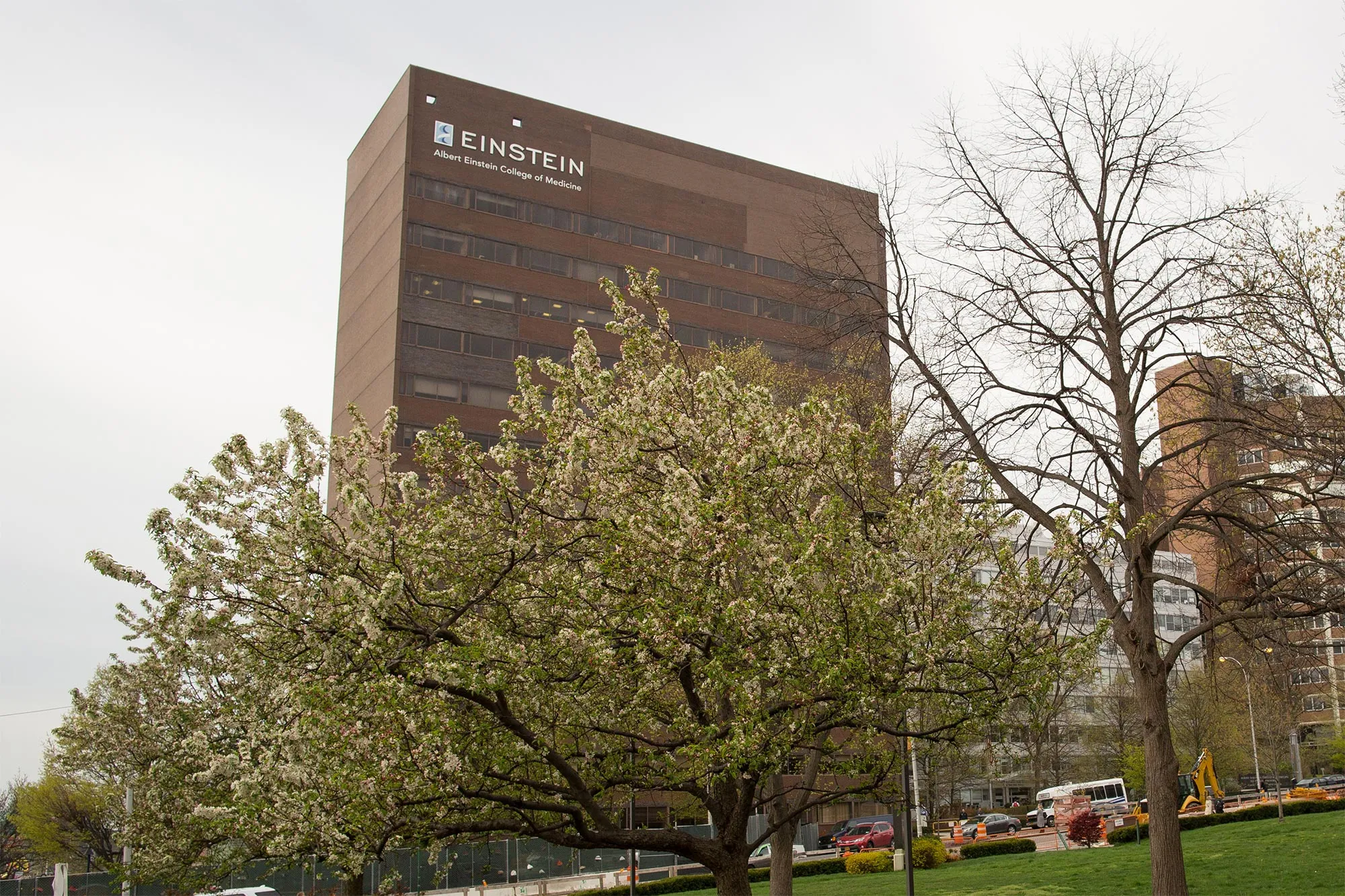
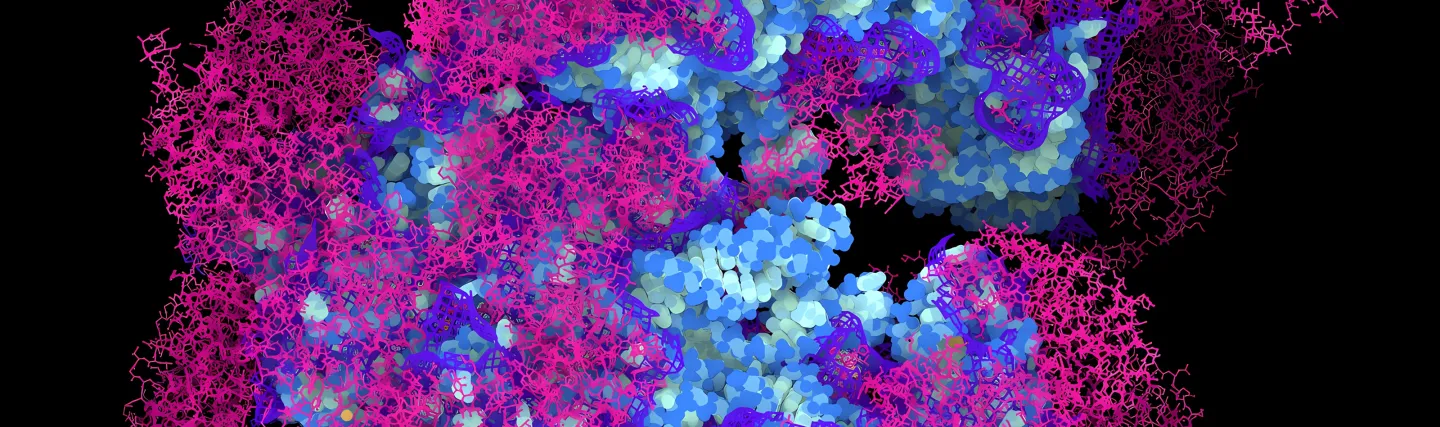
The Institute for Geroscience at Albert Einstein College of Medicine investigates the biological pillars of aging to develop novel therapeutics and drive interventions that reduce or eliminate age-related diseases and improve human health.
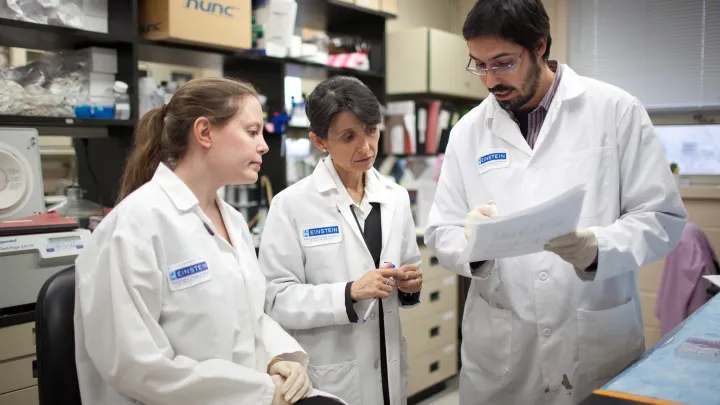
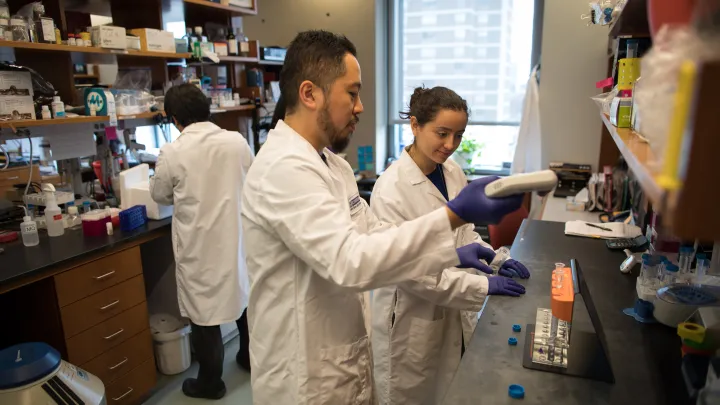
Established in 2001, the institute has grown into one of the most visible and productive concentrations of aging researchers in the world. Our membership includes more than 60 Montefiore Einstein faculty members and 40 external investigators. With nearly $100 million in aging research funding each year, the center attracts hundreds of active collaborations that drive discovery and advance the field. If you have questions, or would like more information about the Institute for Geroscience, please contact Shaunice Dawkins, administrator, at shaunice.dawkins@einsteinmed.edu or 718-430-4033.
Related News

Contact Us
-
Institute for Geroscience
Albert Einstein College of Medicine
1300 Morris Park Ave
Belfer Building, Room 701
Bronx, NY 10461