
Residencies
Residency Program in Social Medicine
Social medicine seeks to understand individual clinical problems in a social context and to improve health at multiple levels: clinical care, community outreach, research, and advocacy.
The Department of Family and Social Medicine oversees the social medicine curriculum for three residency tracks: the residency program in Family Medicine; the internal medicine residency track in Social Internal Medicine; and the pediatric residency track in Social Pediatrics. The social medicine program is based on a commitment to health care for all, and includes three-month curriculum in social medicine; Social Medicine Rounds; a dedicated social medicine project completed by each resident; an integrated, longitudinal behavioral health curriculum; and a residency partnership system in which incoming residents partner with a colleague to share ambulatory, inpatient, and program related responsibilities.
Since 1970, the Residency Program in Social Medicine has trained over 650 physicians, many of whom continue to practice in communities across the country.
Residency in Family Medicine
Residency in Family Medicine combines a core curriculum with opportunities to pursue individual interests and learning objectives.
Prepares residents for certification by the American Board of Family Practice and includes 8-12 months of internal medicine, 4 months of pediatrics, 3 months of obstetrics and gynecology, and 4-5 months of surgery and surgical subspecialties. All family medicine residents also participate in the social medicine curriculum.
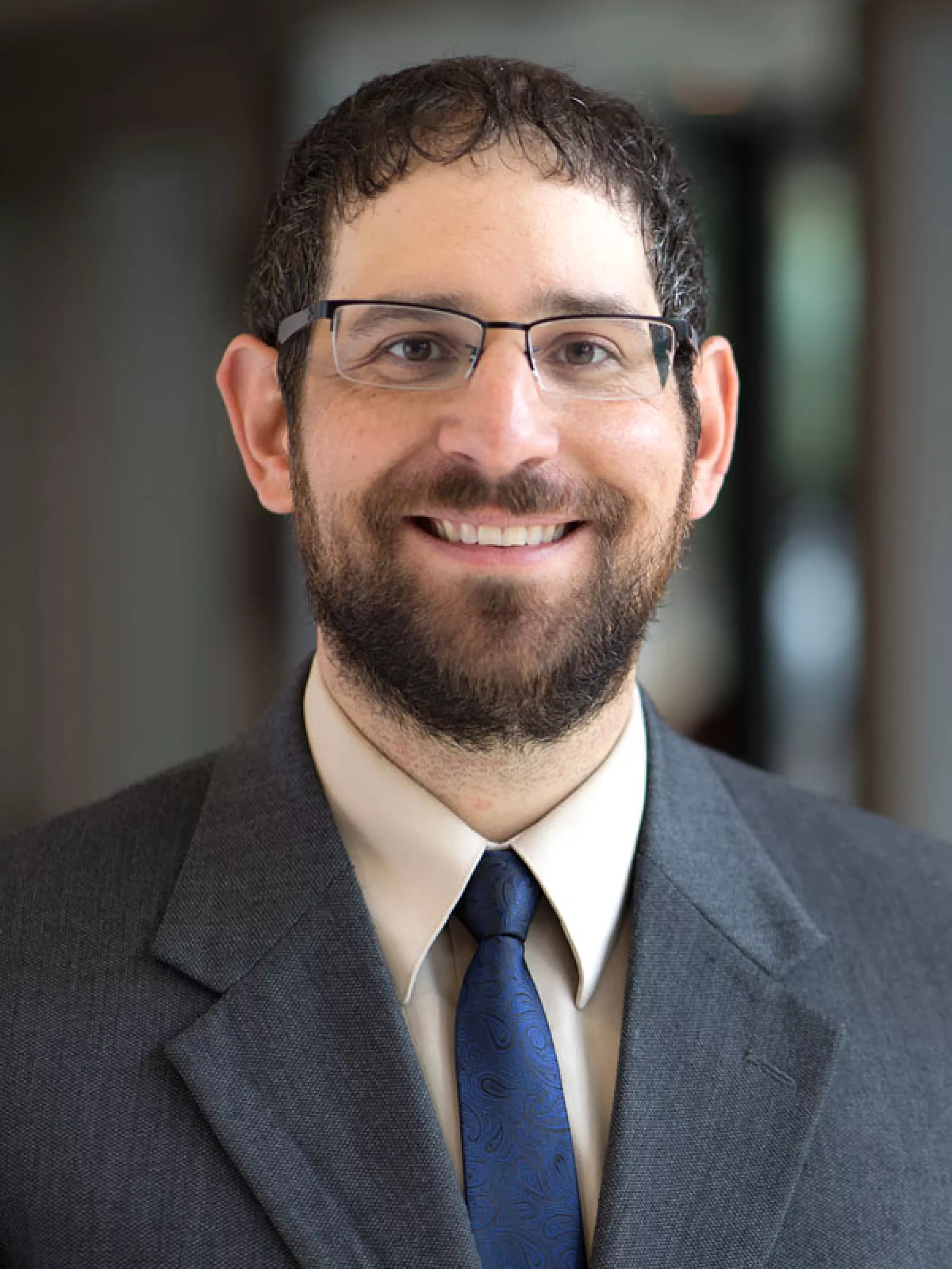
Video could not be played
Joel Bumol, M.D.
Program Director, Family Medicine, Montefiore Medical Group
Residency in Social Internal Medicine

Video could not be played
Shwetha Iyer, M.D.
Montefiore Medical Center

Video could not be played
Sandra Braganza, M.D.
Montefiore Medical Group
Primary Care Behavioral Health
Our team of core faculty psychologists provide Psychosocial and Behavioral Health education, integrated in the training of residents across three tracks: Family Medicine, Social Pediatrics, Primary Care Social Internal Medicine. Behavioral health services are provided by our faculty psychologists through direct care and in collaboration with primary care physicians. Our Primary Care Psychology Externship Program offers psychology graduate students an opportunity to be trained in providing socioculturally-responsive Behavioral Health services in collaboration with primary care physicians within the Family Medicine Residency Program.

Video could not be played
Tanya White-Davis, Psy.D.
Director, Behavioral Health, Montefiore Medical Group