

Video could not be played
Mechanisms for Cellular Aging
The mechanisms of cellular aging is a major area of research at the Institute for Geroscience at Albert Einstein College of Medicine. We study how malfunctioning cellular processes contribute to aging, with a focus on three major lines of research.
Functional Consequences of Impaired Autophagy in Aging
Impairment in autophagy, a major cellular cleaning and recycling process, may be the basis for functional deterioration and inability to respond to immunological challenges and stress in aging organisms. We study the:
- impact of changes with age in autophagic pathways on the cellular and organism response to stress.
- contribution of autophagy malfunction in aging to immunosenescence (the age-related deterioration of the immune system).
- contribution of the age-dependent decline in autophagy to the metabolic syndrome of aging.
Senescence in Aging
Accumulation of senescent cells—damaged cells that stop multiplying but don’t die off when they should—is a major contributor to a wide range of age-related diseases, and reducing the number of senescent cells has been shown to lessen disease. The selective killing of senescent cells (senolysis) has become a major therapeutic goal to attenuate age-related organ dysfunction. This collaborative program includes the following studies:
- molecular determinants of the cell death/senescence decision
- role of autophagy malfunctioning in persistent senescence in aging
- therapeutic targeting of unique vulnerabilities in old senescent cells
Stem Cell Exhaustion
Stem cells are central to tissue repair and regeneration, but their function declines with age due to intrinsic factors such as DNA damage, epigenetic drift, metabolic dysfunction, and proteostasis failure, as well as extrinsic changes in the niche and systemic environment, including inflammation and senescence. This loss of regenerative capacity underlies frailty and many age-related diseases. Understanding how aging alters the balance between stem cell quiescence and activation, and exploring strategies such as metabolic reprogramming, niche modulation, senescent cell clearance, or partial reprogramming, holds promise for restoring stem cell function and extending healthspan. Research in this area at the institute includes the following:
- intrinsic drivers of stem cell aging
- impact of niche and systemic environment on stem cell function
- rejuvenation and therapeutic modulation of aging stem cells
Faculty
Director

Video could not be played
Ana Maria Cuervo, M.D., Ph.D.
Investigators

Video could not be played
Matthew K. Abramowitz, MD, MS

Video could not be played
Esperanza Arias-Perez, Ph.D.

Video could not be played
Teresa V. Bowman, Ph.D.

Video could not be played
Anne R. Bresnick, Ph.D.

Video could not be played
Nikolaos G. Frangogiannis, M.D.

Video could not be played
Evripidis Gavathiotis, Ph.D.

Video could not be played
J. Tiago Goncalves, Ph.D.
Video could not be played
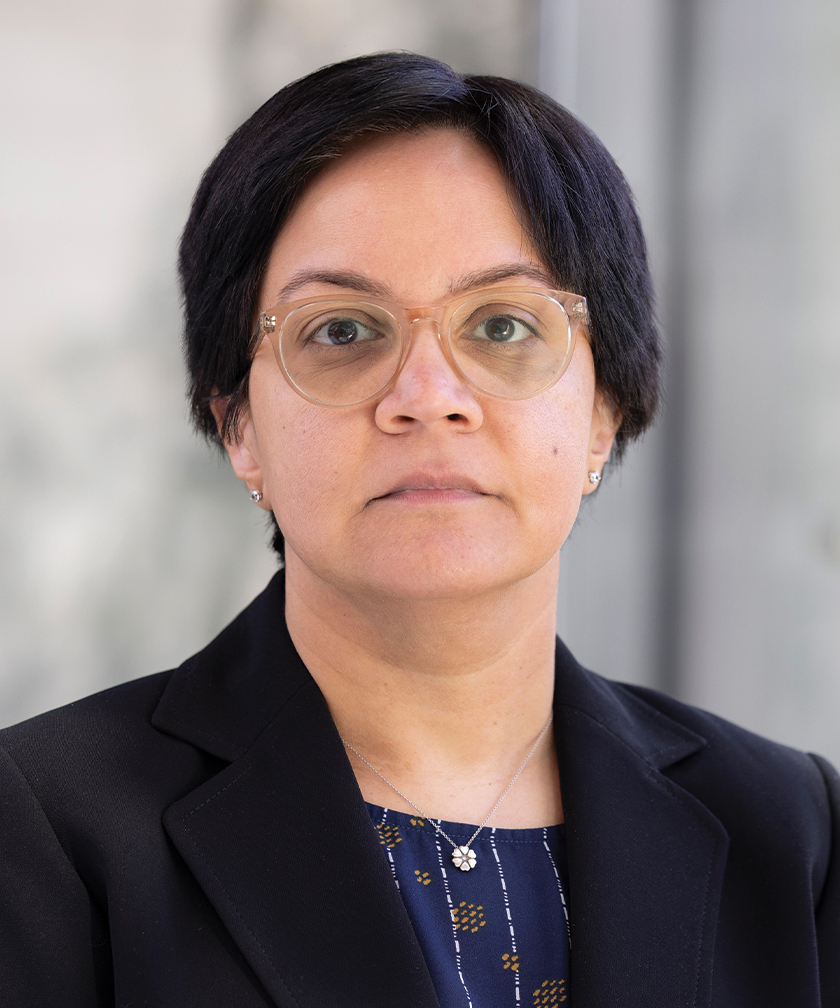
Susmita Kaushik, Ph.D.
Video could not be played
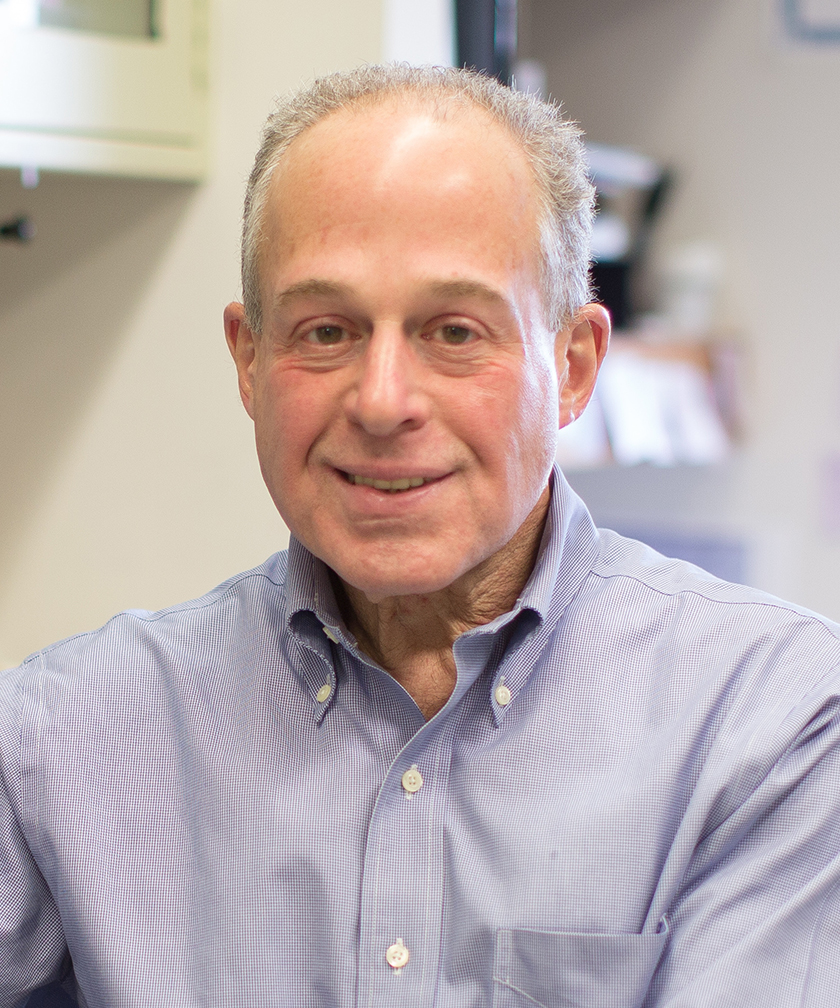
Richard N. Kitsis, MD

Video could not be played
Hayley M. McDaid, Ph.D.
Video could not be played
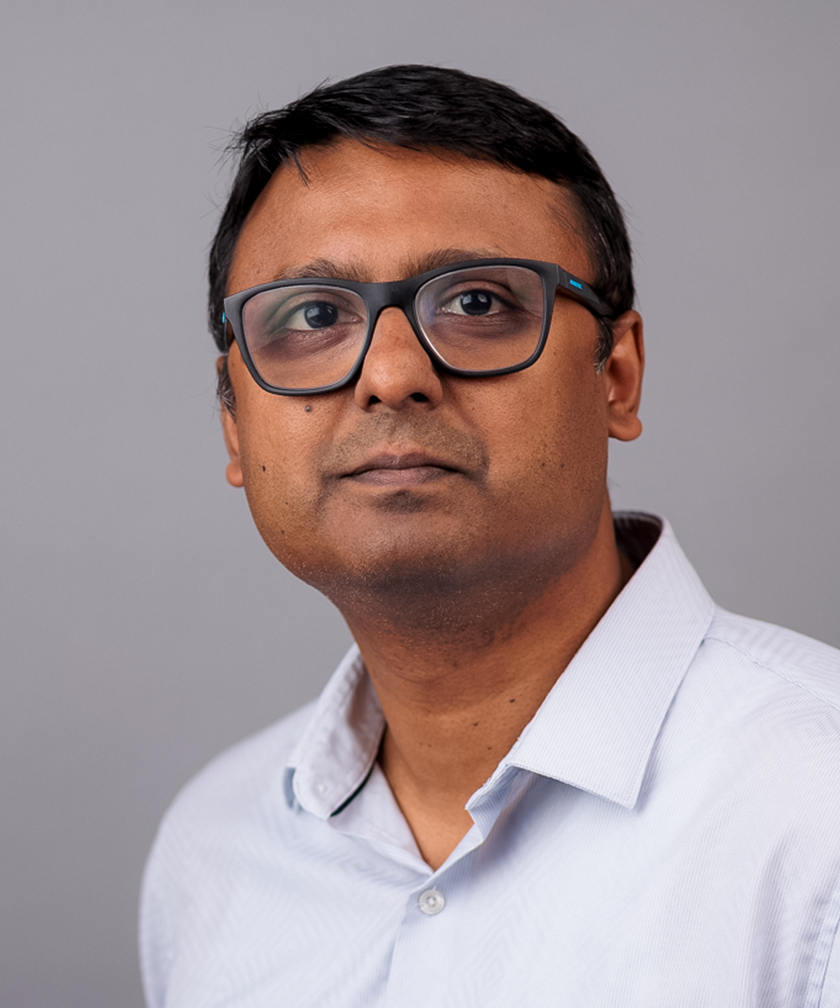
Satish K. Nandakumar, M.B.,B.S., Ph.D.

Video could not be played
Aditi Shastri, MD

Video could not be played
Simone Sidoli, Ph.D.

Video could not be played
Amit K. Verma, MD

Video could not be played