

Video could not be played
Cell Biology Faculty Testimonials
Faculty in the Department of Cell Biology at Albert Einstein College of Medicine come from unique backgrounds and varied training paths but share a common drive for research excellence and a deep commitment to fostering scientific collaboration, mentoring trainees, and nurturing interdisciplinary dialogue. Learn more about what it’s like to launch an independent research career at the institution and in our department.
Vibrant Medical Community Encourages Innovation
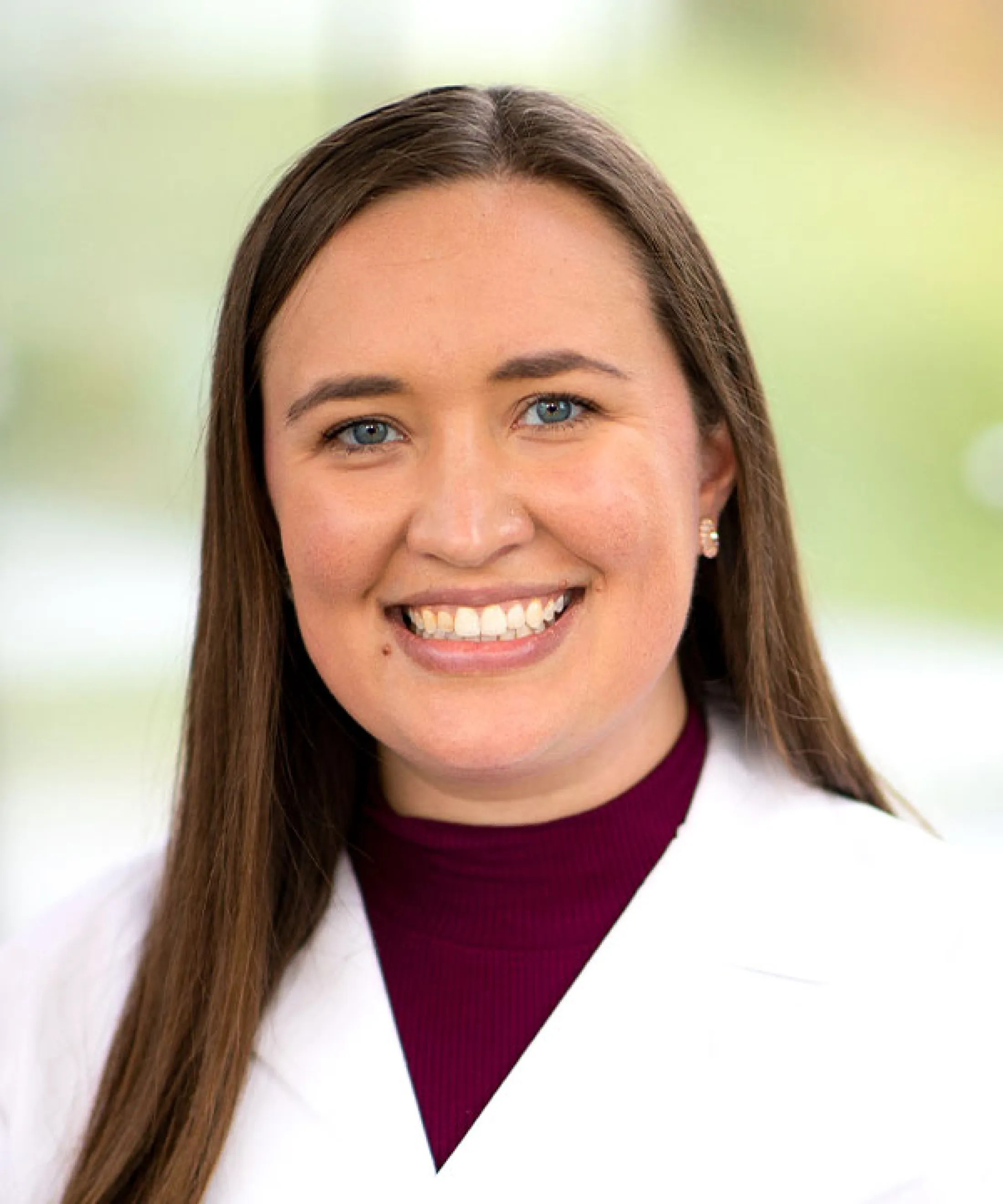
I joined the Department of Cell Biology as an assistant professor in September 2021. I completed my graduate degree at Gerstner Sloan Kettering Graduate School, followed by my postdoctoral training at the Massachusetts Institute of Technology and Harvard University. While interviewing for faculty positions, I was searching for an institution with the same commitment to research excellence as my previous training environments. I decided to join Einstein, and specifically this department, as a faculty member because of the breadth of its scientific expertise and its collaborative, supportive environment.
Exposure to my colleagues’ work ... has already taken my science in directions I would have never anticipated.
Assistant Professor, Department of Cell Biology
Video could not be played
Within the department, I’m immersed in highly dynamic and interdisciplinary interactions. Exposure to my colleagues’ work, which spans stem cell biology, cancer dormancy, glycobiology and chromatin biology, among others, has already taken my science in directions I would have never anticipated. These lively exchanges foster creativity, and this unique environment has broadened my team’s perspective and improved our science. In addition, we have access to state-of-the-art technology through the department’s shared equipment and the school’s core facilities. The department’s administrative assistance is also excellent, assisting me and my team with ordering, onboarding, grant submissions, and other crucial activities.
I was excited to come to Einstein because it is situated within a vibrant medical community, and we often engage with our clinical colleagues at Montefiore Health System. While my academic home is in the Department of Cell Biology, I am also an active member of the NCI-designated Montefiore Einstein Comprehensive Cancer Center, the Ruth L. and David S. Gottesman Institute for Stem Cell and Regenerative Medicine Research, and the Cancer Dormancy and Tumor Microenvironment Institute. These affiliations have led to productive interactions with faculty from a variety of fields across the institution.
It is also important to me that our faculty members demonstrate a deep commitment to successfully training the next generation of scientists. I am consistently impressed with the efforts within our department and at the College of Medicine, as a whole, to support the career development of our graduate students and postdoctoral fellows. As a junior faculty member, I have felt like I have a voice in the department. I feel fortunate to interact with incredibly talented trainees through the graduate program and the MSTP, and to host high school, undergraduate, and master’s students in the lab through various programs at Einstein. Overall, Albert Einstein College of Medicine is the ideal environment for me to begin my independent career, and I look forward to continuing to grow my laboratory here.
Environment Promotes Deep Expertise in Hematology Research
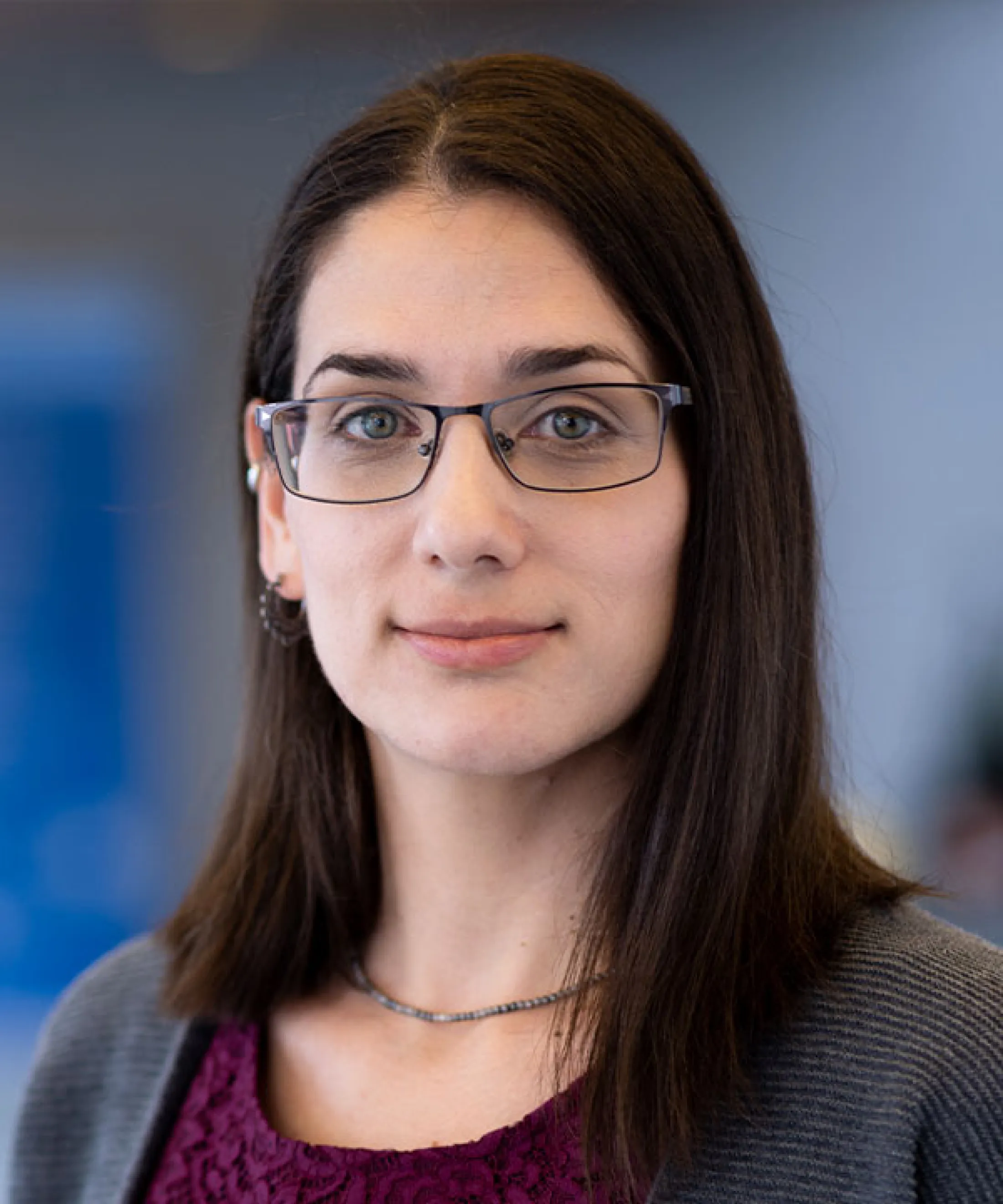
I completed my undergraduate and graduate studies in Israel, earning my Bachelor of Science from Ort Braude College of Engineering and my Ph.D. from the Weizmann Institute of Science. In 2014 I moved to the United States to pursue my postdoctoral training under the mentorship of the late Dr. Paul S. Frenette in Einstein’s Department of Cell Biology. I spent eight years training under Dr. Frenette, first as a postdoctoral fellow and later as a research associate. While in the Frenette Lab, in addition to being a member of the Department of Cell Biology, I was also a member of the Ruth L. and David S. Gottesman Institute for Stem Cell and Regenerative Medicine Research.
I look forward to expanding my research and training the next generation of cell biologists here.
Assistant Professor, Department of Cell Biology
Video could not be played
The department’s highly collaborative and rich scientific environment, coupled with Einstein’s comprehensive research infrastructure, allowed me to thrive during my training. I was fortunate to contribute to a range of projects in stem cell biology, prostate cancer, and hematologic malignancies. I also had the opportunity to interact with and mentor incredibly talented trainees, including postdoctoral fellows and graduate and MSTP students. Moreover, I was impressed by the faculty with expertise across different fields who are committed to research excellence while fostering an inclusive and supportive environment for trainees. When I started looking for independent faculty positions, I knew I wanted to be part of an institution that offered similar qualities.
In February 2022, following Dr. Frenette's tragic and untimely death, I was offered an opportunity to establish my independent laboratory at Einstein. Given my training experience, I did not hesitate to accept an appointment with the Department of Cell Biology. One of the major reasons I was excited by this opportunity was the ability to work in an environment with deep expertise in hematology research that would greatly benefit my development as a leading scientist in the field.
As a faculty member, I became affiliated with the NCI-designated Montefiore Einstein Cancer Center, the Ruth L. and David S. Gottesman Institute for Stem Cell and Regenerative Medicine Research, the Cancer Dormancy and Tumor Microenvironment Institute, and Einstein’s Institute for Aging Research. Through the numerous scientific activities hosted by these entities and the cell biology department, such as Cell Biology Work in Progress seminars and the SCI retreat and symposia, I have connected with investigators with expertise across many different fields and have established fruitful collaborations. In addition, it has provided access to a range of shared resources and technologies that have been invaluable to my research. Since starting my independent faculty position at Einstein, I have received ample support from the cell biology department’s faculty and administrative team, enabling me to recruit talented trainees, seek guidance to advance my career, and obtain funding to support our research.
I can’t think of a more ideal environment for me to pursue my scientific career. I look forward to expanding my research and contributing to training the next generation of cell biologists at Einstein.
College Fosters Inclusive Research Teams
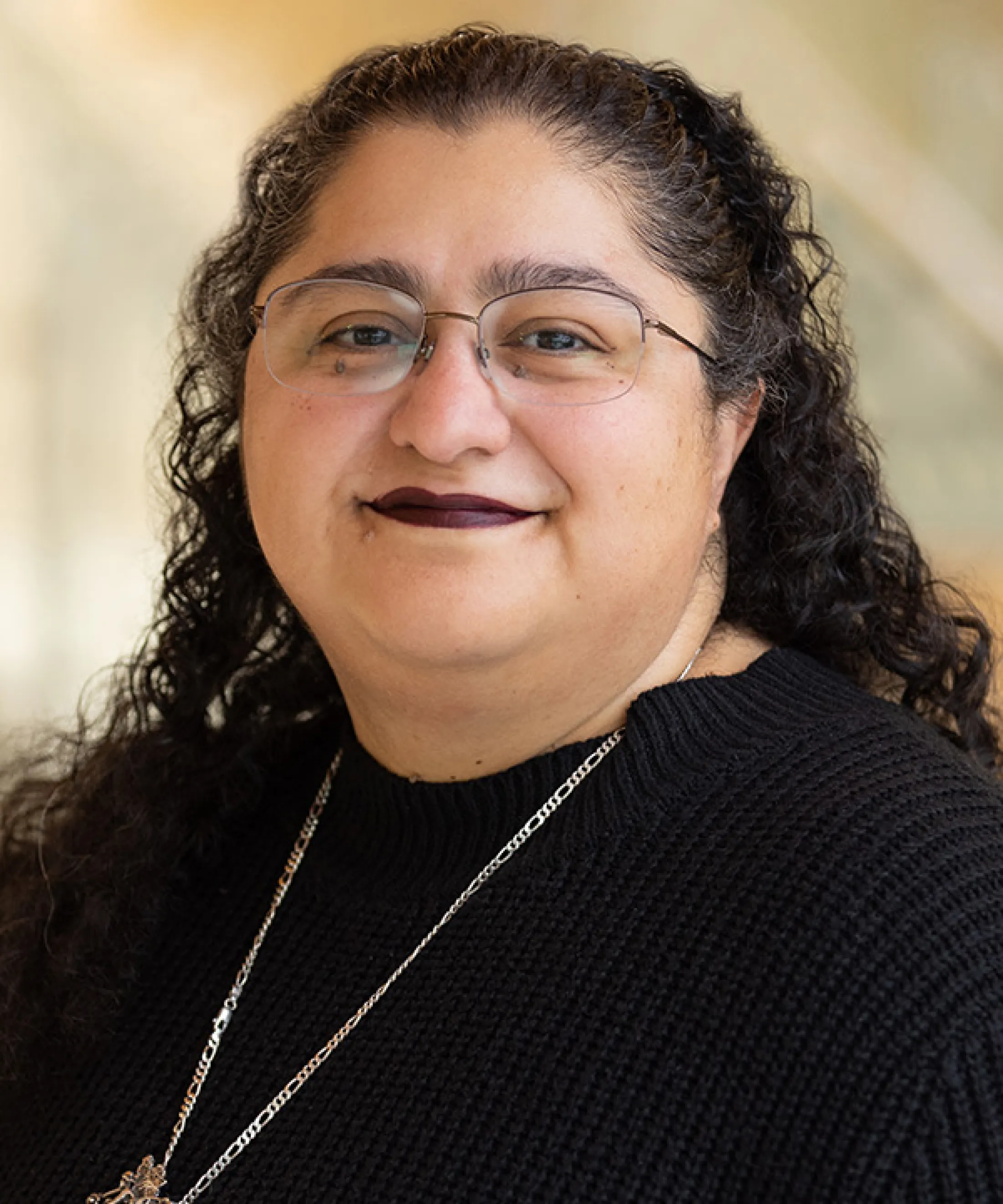
I joined the Department of Cell Biology at Albert Einstein College of Medicine as an assistant professor in May 2023. I was co-recruited by the Cancer Dormancy and Tumor Microenvironment Institute at the Montefiore Einstein Comprehensive Cancer Center. My group seeks to understand how genome architecture is influenced by reactive microenvironments, and how this wound-repair-like milieu fosters cancer development, escape from dormancy, and metastasis.
This institutional vision aligns with my goal of ... studying the biological processes that negatively affect cancer progression in underrepresented groups.
Assistant Professor, Departments of Cell Biology and Oncology
Video could not be played
I grew up in Mexico City. I emigrated to the United States with my family, obtaining a Bachelor of Science in Biochemistry and a Master of Science in Chemistry at Oakland University in Rochester, Michigan. I then trained at Baylor College of Medicine in Houston, Texas, where I completed my Ph.D. in Molecular and Cellular Biology, studying the reactive microenvironment that accompanies prostate cancer progression and bone metastasis. Later, during my postdoctoral training at the University of Tennessee, I continued my research on prostate cancer studying how changes in the reactive microenvironment can disrupt the normal three-dimensional packaging of the genome, leading to cancer development.
When searching for a scientific home in which to build my independent career, I was impressed by the collegial nature of the Department of Cell Biology, and with Einstein’s unwavering commitment to serve the diverse population of the Bronx. This institutional vision aligns with my goal of creating an inclusive research team devoted to studying the biological processes that negatively affect cancer progression in underrepresented groups.
As I reflect on my first two years, my interactions with departmental leadership, faculty, trainees, and administrative personnel have been overwhelmingly positive. I am particularly thankful for the nurturing, generous, and collaborative environment in the department, which has been crucial for starting my lab.
World Leaders in Leukemic & Hematopoietic Stem Cell Biology
I grew up in the coastal city of Madras in Southern India and completed my bachelor’s degree in medicine and surgery at Madras Medical College. I attended the University of Tennessee Health Science Center and the St. Jude Children’s Hospital for my Ph.D. I pursued my postdoctoral training at Boston Children’s Hospital and the Broad Institute, where I investigated gene regulatory mechanisms affecting the formation of blood cells and blood disorders, often using insights from human genetic studies.
It has been the perfect place to put down roots and grow my independent research career.
Assistant Professor, Departments of Cell Biology and Oncology

Video could not be played
After my postdoctoral training, I wanted to start my own research program that would leverage human genetic studies to better understand hematologic malignancies and pre-leukemic conditions. I was looking for an institution with a strong hematopoiesis and leukemia group, and I am fortunate to have found a home in the Department of Cell Biology at Albert Einstein College of Medicine. It is internationally recognized for its translational research in these fields and its faculty are world leaders in the biology of leukemic and hematopoietic stem cells. Our University Hospital and academic medical center, Montefiore Health System, is a designated national Center of Excellence by the Myelodysplastic Syndromes Foundation. And beyond the walls of Montefiore Einstein, the New York area is particularly rich in opportunities for intellectual exchange and scientific collaboration.
When I first became a faculty member, I was extremely grateful for the nurturing environment in the department and at Einstein. The faculty and the trainees were tremendously supportive and welcoming to me and my team in those early days. With their assistance, we have established a fully functioning lab, with the ability to conduct CRIPSR editing in human hematopoietic stem and progenitors, and with an active mouse colony that includes immunodeficient mice. I have received support and advice in several ways, including with grant applications, student lectures, recruitment, and lab management. [We have] a vibrant trainee community, where members actively participate and discuss their research in cell biology’s work-in-progress meetings. I also enjoy my spontaneous conversations with trainees in the cell bio incubator, when I learn about other exciting science taking place in the department. My experience as a junior faculty in Einstein has been fantastic. It has been the perfect place to put down roots and grow my independent research career.
An ‘Ideal Place to Start an Independent Research Career’
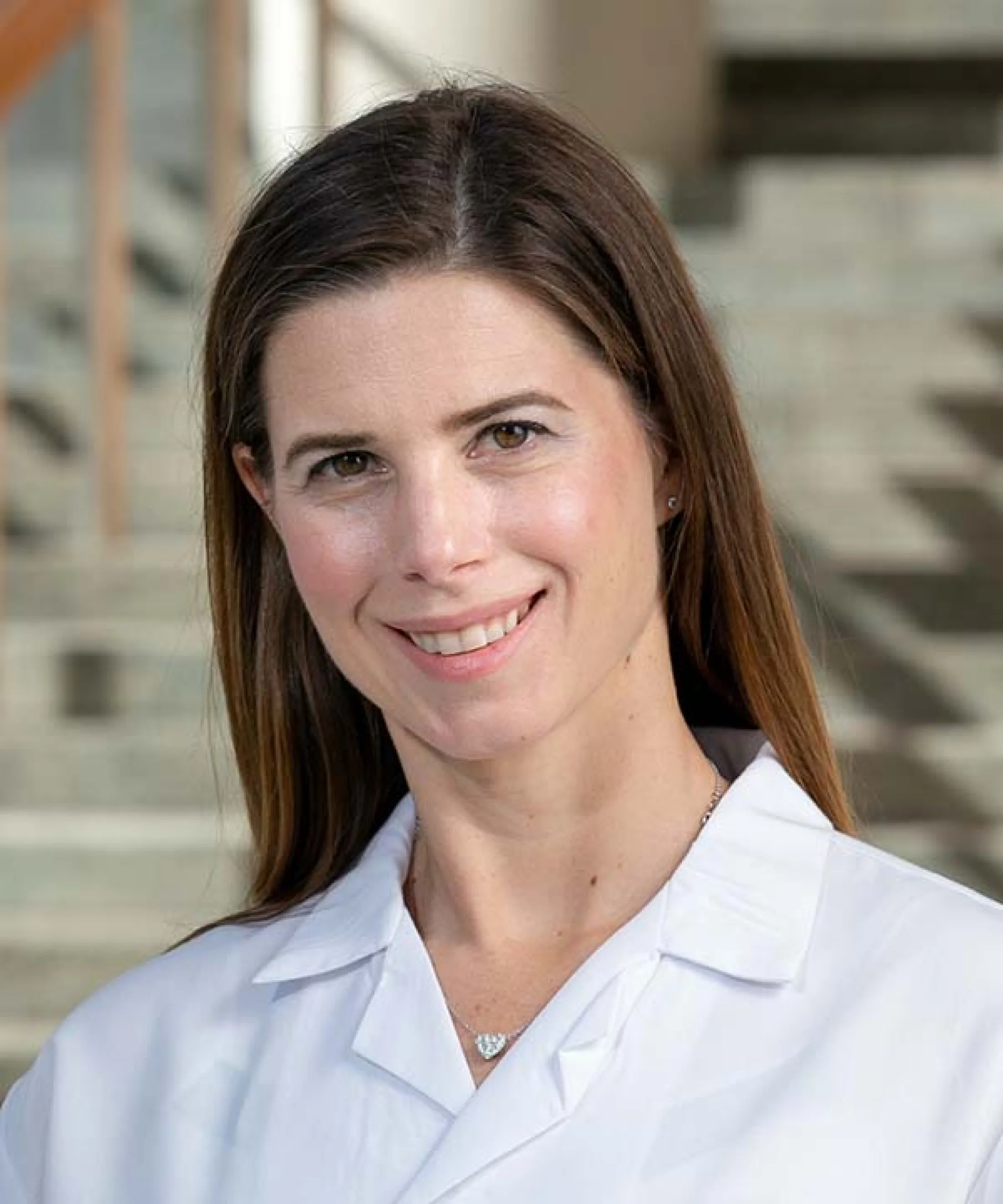
I obtained my Ph.D. in cell and molecular biology from the University of Cincinnati College of Medicine, working in the division of experimental hematology and cancer biology at Cincinnati Children’s Hospital Medical Center. I pursued postdoctoral training at Vanderbilt University, where I became interested in how transcription factors and epigenetic regulators contribute to hematopoietic cell development and function, as well as how disruption of normal transcriptional programs can lead to cancer.
Einstein is a special place, and I look forward to many more years of collaborative and engaging science...
Assistant Professor, Department of Cell Biology; Melissa S. and John V. Ceriale Early Career Professorship
Video could not be played
I arrived at Einstein in September 2021, co-recruited by the Department of Cell Biology and the NCI-designated Montefiore Einstein Comprehensive Cancer Center. While I was already aware of the stellar scientific reputation of Einstein and its faculty, during the recruitment process I was deeply impressed by the culture of collaboration and collegiality at the institution. The unique combination of top-notch science and a cooperative and engaged community convinced me to start my lab here.
Since my arrival, my colleagues have been immensely supportive and helpful. From reading my first grants and suggesting funding opportunities, to recommending me for opportunities to gain experience with manuscript and grant review, they have gone out of their way to make my transition to independence as smooth as possible. I’ve also benefited from the many opportunities for scientific interactions with faculty within the department and across the institution. From Chromatin Club to the Stem Cell Institute and Cell Biology Work-in-Progress Seminars, these scientific exchanges make for an exceptionally exciting academic setting, breed collaboration, and are perfect for fostering trainee growth and development.
I am incredibly grateful for the support and thoughtfulness that my colleagues have shown me since I arrived at this institution. And it’s these unique Einstein characteristics that I have emphasized when recruiting trainees to my own lab. Einstein is a special place, and I look forward to many more years of collaborative and engaging science as a member of the Department of Cell Biology.