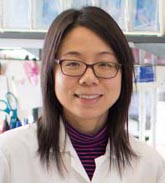
Cheuk Wun (Connie) Li, PhD
Cheukwun.li@einsteinmed.org
Dr. Wun is an Associate in the Tomer lab. She graduated with a Bachelor of Science degree in Biology from St. John’s University and a Master of Biotechnology degree from the University of Pennsylvania.
Dr. Wun joined the Tomer lab in 2011 after completing her PhD training in Endocrinology at the Chinese University of Hong Kong. Her research focuses on developing therapeutic approaches to treat autoimmune thyroiditis (AITD) by blocking antigen presentation. By performing in vitro screen and utilizing humanized mouse models she identified a small molecule from a large library that can potentially be used as a drug to treat AITD. In addition, she is working on a project studying thyroid-stimulating hormone receptor (TSHR), the key antigen in Graves’ Disease (GD). She developed a novel mouse model to identify the major TSHR epitopes in triggering GD. Her other projects include studying autoimmune polyglandular syndrome 3 variant (APS3v), which is the co-occurrence of autoimmune thyroiditis and diabetes within the same individual. She identified that both thyroid and islet peptides can bind to a flexible HLA pocket that triggers autoimmune T-cell responses in autoimmune thyroiditis and diabetes. Her findings set the stage to developing specific inhibitors of the HLA pocket as a precision medicine approach to treating APS3v patients who carry this specific HLA pocket variant.
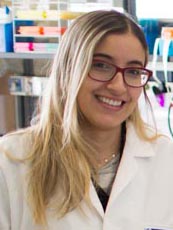
Larissa C. Faustino, PhD
Postdoctoral fellow
Larisa.costafaustino@einsteinmed.org
Since her undergraduate studies, Dr. Faustino has been working in the thyroid field and has expertise in the following areas: thyroid hormone action, mouse models of resistance to thyroid hormones and gene regulation by thyroid hormones. She joined the lab in the spring of 2015 after completing her PhD in Physiology from Federal University of Rio de Janeiro (Brazil) and Rockefeller University (New York, NY). Her thesis work focused on the molecular mechanisms underlying the cross-talk between thyroid hormones and estrogen regulating peripheral and central genes. Now as a postdoctoral fellow Dr. Faustino is interested in understanding the pathophysiology of autoimmune thyroid diseases. Her main project aims to dissect the molecular and cellular mechanisms by which interferon alpha triggers autoimmune thyroiditis using both in vitro and in vivo models. She is also working on developing new mouse models of experimental autoimmune thyroiditis and experimental Grave’s Disease.
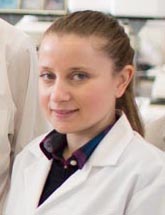
Angela Lombardi, PhD
Angela.Lombardi@einsteinmed.org
During the first years spent in research at the University of Naples "Federico II” (Italy) Dr. Lombardi studied the role of chronic hyperglycemia in the pathogenesis of impaired insulin secretion and her goal was the identification of the molecular mechanisms involved in glucosamine-mediated ER stress in pancreatic beta cell dysfunction (Lombardi et al. Diabetologia, 2012). Later, during her PhD program at the University of Salento (Italy), she demonstrated the mechanistic role of beta 2 adrenergic receptor in insulin release (Lombardi et al. Diabetes, 2012). In 2012 she joined the division of Endocrinology at the Icahn School of Medicine at Mount Sinai (New York) as a postdoc, and during the years spent there she has been studying the cellular and molecular mechanisms underlying the pathophysiology of autoimmune disorders, including Type 1 Diabetes Mellitus and autoimmune thyroid disease. She led two studies on Graves’ disease patients identifying new single-nucleotide polymorphisms associated with Graves’ disease (Lombardi et al. The Journal of Clinical Endocrinology & Metabolism, 2014; Lombardi et al. Frontiers in Endocrinology, 2016) Moreover, she directed two projects evaluating the effect of ER stress in thyroglobulin and insulin folding and function, exploring a novel model that triggers autoimmune disease (Lombardi et al. The Journal of Clinical Endocrinology & Metabolism, 2015; Lombardi et al. Journal of Autoimmunity, 2017).
In 2016, Dr. Lombardi joined the Department of Medicine at the Albert Einstein College of Medicine where, as a faculty member, she is now leading several projects aimed to develop therapies to prevent and treat autoimmune destruction of both pancreatic beta cells and thyroid cells. Her ultimate goal is to define the key molecules involved in such processes, in order to specifically target their pathways and treat autoimmune thyroiditis and Type 1 Diabetes.
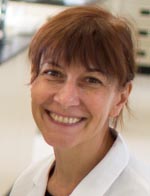
Mihaela Stefan, PhD
Research Associate Professor
mihaela.stefan@einsteinmed.org
Dr. Stefan’s research focuses on the genetics and epigenetics of endocrine autoimmune diseases (AID), particularly type 1 diabetes (T1D) and autoimmune thyroid disease (AITD). The main task in the “post-GWAS” era is to determine how disease-associated gene variants affect gene expression and function to trigger the disease. As for other complex diseases, the majority of the AITD- and T1D- associated variants map in noncoding or intergenic gene regions, thus identification of their functional relevance and pathological implications can be challenging. Moreover, the causality of genetic variants may be dependent on interactions with other genes, certain environmental factors, and epigenetic influences. Dr. Stefan's work combines epigenetic, cellular and molecular biology approaches to understand the effects of T1D and AITD-associated polymorphisms on gene function and their interactions with environmental factors. Particularly, researchers are interested in the interactions of disease-associated variants with interferon alpha, a key cytokine secreted during viral infections and linked with pathogenesis of both AITD and T1D. In this light, our work identified unique regulatory mechanisms of two main AITD-associated genes by showing allele-specific interactions of disease associated SNPs with interferon alpha that can selectively trigger the disease in genetically susceptible individuals. Specifically, they determined that an AITD-associated SNP in the thyroglobulin (TG) promoter harbors a cis-regulatory element and showed that TG expression depends on the SNP genotype (Stefan et al, JBC, 2011). Dr. Stefan also identified a new mechanism underlying thyroid autoimmunity by showing an epigenetic–genetic interaction involving a noncoding SNP in the Thyroid Stimulating Hormone Receptor (TSHR) gene that alters thymic expression of this gene and is implicated in Graves’ disease pathogenesis (Stefan et al, PNAS, 2014). Our findings were highlighted in Nature Reviews Endocrinology 10, 639 (2014) and The Endocrine Society publication, 4 (2015).
Researchers also seek to find whether certain environmental stimuli can induce epigenetic modifications associated with the development of autoimmunity. This work focuses on DNA methylation (DNAm) and histone modifications induced by interferon alpha and associated with T1D pathogenesis. In a T1D twin study, researchers have shown significant differences in DNAm patterns of T1D associated genes (HLA, INS, IL-2RB), suggesting that DNAm can be an early event in T1D development (Stefan et al, J Autoimmun 2014). We also found that interferon alpha, induces active DNA demethylation of inflammation and immune genes in human pancreatic islets through a miR-26a dependent mechanisms that may initiate islet autoimmunity in T1D.
Given the multifaceted role of interferon alpha in development of both AITD and T1D they developed mouse models with interferon alpha conditional expression in the thyroid and pancreas and dissect the mechanisms by with interferon alpha mediates the pathological processes.
Another project developed in the Tomer lab seeks to understand the role of toxic environmental chemicals in the etiology of T1D and its increasing incidence. Researchers developed a multi-disciplinary approach that integrates epidemiological searches, structural computational modeling, and screening of chemicals that target beta-cells, in vivo and in vitro testing as well as cellular and molecular analyses to identify environmental chemicals associated with T1D development and to dissect the mechanisms by which they trigger T1D in human pancreatic islets.
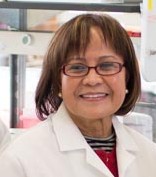
Erlinda (Linda) Concepcion, Bsc
Laboratory Manager
Erlinda.Concepcion@einsteinmed.org
Linda is the Laboratory Manager of the Tomer lab. She oversees all the experiments being performed in the lab; she is in charge of compliance; instrument maintenance, and sequencing and genotyping. Linda is a very experienced lab manager and has been working in the Tomer lab for 20 years. She assists in all projects being performed in the lab and makes sure everything runs smoothly. Her main expertise is in tissue culture experiments, sequencing, genotyping, ELISA, luminex assays, mixed lymphocyte reactions, and Flow Cytometry.
Lingguang Cui, MA
Laboratory Technician
lingguang.cui@einsteinmed.org
Lingguang is a laboratory technician that is assisting the lab members with all experiments especially mouse experiments in which she has a vast experience.