


Video could not be played
Kosaku Shinoda, Ph.D.
- Associate Professor, Department of Medicine (Endocrinology)
- Associate Professor, Department of Molecular Pharmacology
Area of research
- The Shinoda lab combines multi-omics, single-cell biology, and murine models to define how metabolic and skin tissues respond to stress, with the goal of uncovering mechanisms of diabetes, obesity, fatty liver disease, and radiation-induced skin injury.
Location
- Albert Einstein College of Medicine Michael F. Price Center 1301 Morris Park Avenue 355 Bronx, NY 10461
Research Profiles

Professional Interests
Multi-Omics Deep Characterization of Metabolic Tissues
Our laboratory studies how metabolic tissues adapt to nutritional, hormonal, and environmental changes, and how this flexibility breaks down in obesity, diabetes, and fatty liver disease. We use single-cell and spatial transcriptomics, proteomics, stable-isotope tracing, and metabolic flux analysis to understand how specialized cell populations within adipose tissue and liver regulate whole-body energy metabolism. In adipose tissue, our work helped identify CD81-positive beige adipocyte progenitors that respond to external cues through integrin–FAK signaling and contribute to thermogenic remodeling and metabolic health (Shinoda et al., Cell, 2020).
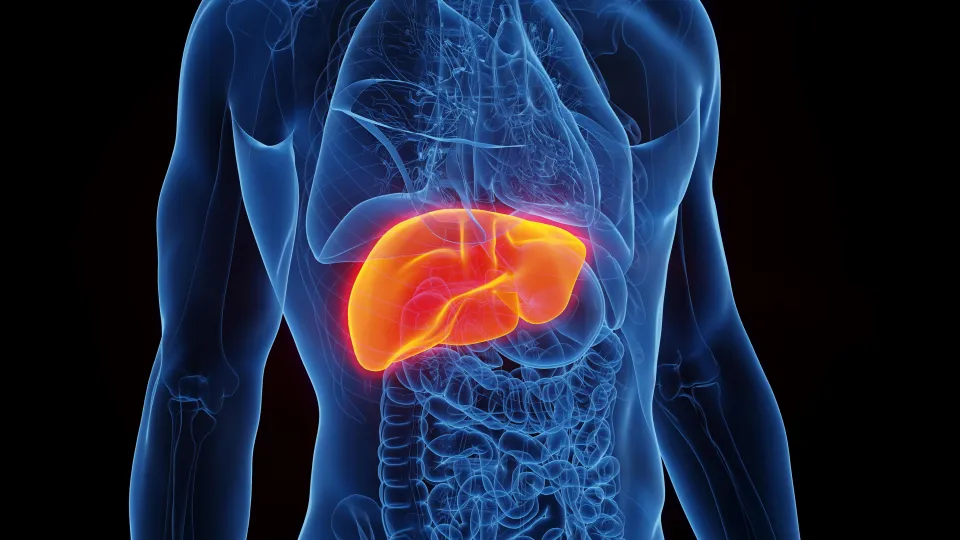
More recently, our work has focused on the spatial and temporal organization of liver metabolism. We found that hepatocyte gluconeogenesis is highly plastic across the liver lobule during transitions between feeding, fasting, and starvation (Okada et al., Nature Metabolism, 2025). By integrating transcriptomics, proteomics, isotope tracing, and spatial metabolic imaging, we further showed that mRNA expression, protein abundance, and metabolic activity can be strikingly discordant during acute metabolic transitions (Landgraf et al., bioRxiv, 2025). Ongoing work identifies specialized hepatocyte states that simultaneously engage gluconeogenic and lipogenic programs and may contribute to the emergence of hepatic insulin resistance (Okada et al., bioRxiv, 2026). Together, these studies aim to define metabolic tissues at cellular, spatial, and functional resolution to uncover mechanisms underlying metabolic disease.
Modeling Intractable Skin Diseases and Uncovering Their Mechanisms
Our laboratory collaborates closely with dermatologists, radiation oncologists, microbiologists, and computational biologists to model clinically important skin conditions in the laboratory and define their underlying mechanisms. A major focus is acute radiation dermatitis, a common and treatment-limiting toxicity of cancer radiotherapy. In patients with breast or head and neck cancer, we found that baseline nasal Staphylococcus aureus colonization was associated with more severe radiation dermatitis, suggesting that the skin and nasal microbiome can influence inflammatory responses to radiation (Kost et al., JAMA Oncology, 2023).
Building on this clinical observation, we helped test a prophylactic bacterial decolonization strategy using intranasal mupirocin and chlorhexidine cleansing in a randomized clinical trial, which reduced severe radiation dermatitis with moist desquamation in patients receiving radiotherapy (Kost et al., JAMA Oncology, 2023). To study mechanisms in a controlled setting, we are developing mouse models that integrate clinical grading, non-invasive skin measurements, histopathology, and transcriptomics. This approach revealed that molecular inflammatory programs precede visible skin injury and that erythema, barrier dysfunction, and fibrosis follow distinct temporal and transcriptional trajectories (Wong et al., bioRxiv, 2025). Together, these studies aim to connect clinical dermatology with laboratory-based mechanistic modeling to identify more precise strategies for preventing and treating inflammatory and therapy-induced skin disease.
Selected Publications
Oguri & Shinoda, K., et al. CD81 controls beige fat progenitor cell growth and energy balance via FAK signaling. Cell 182, 563–577 (2020).
Okada, J., Landgraf, A., Xiaoli, A.M., et al. Spatial hepatocyte plasticity of gluconeogenesis during the metabolic transitions between fed, fasted and starvation states. Nature Metabolism 7, 1073–1091 (2025).
Landgraf, A., Okada, J., Horton, M., et al. Widespread discordance between mRNA expression, protein abundance and de novo lipogenesis activity in hepatocytes during the fed-starvation transition. bioRxiv (2025). Preprint.
Okada, J., Landgraf, A., Horton, M., et al. A novel subset of hepatocytes is simultaneously gluconeogenic and de novo lipogenic in the fed state and is naturally insulin resistant. bioRxiv (2026). Preprint.
Kost, Y., Rzepecki, A.K., Deutsch, A., et al. Association of Staphylococcus aureus colonization with severity of acute radiation dermatitis in patients with breast or head and neck cancer. JAMA Oncology 9, 962–965 (2023).
Kost, Y., Deutsch, A., Mieczkowska, K., et al. Bacterial decolonization for prevention of radiation dermatitis: A randomized clinical trial. JAMA Oncology 9, 940–945 (2023).
Wong, J.H., Rivas, S., Liu, L., et al. Longitudinal multimodal characterization of radiation dermatitis in the C57BL/6J mouse model. bioRxiv (2025). Preprint