
Video could not be played
Cell Biology Trainee Testimonials
The Department of Cell Biology at Albert Einstein College of Medicine prepares graduate students and postdoctoral fellows to embrace leadership roles in academic medicine and industry. Learn more about what it’s like to study and train at the college from testimonials by the following Einstein alumni.
Lifelong Mentors Build Strong Foundations
I have many good memories of my time at Einstein. After doing lab rotations in the biochemistry and pathology departments, I rotated in Dr. Ulrich Steidl's Lab in the Department of Cell Biology. Dr. Steidl had just opened his lab, and I joined his group as his first Ph.D. student to study leukemia stem cells for my research thesis. My main project was to identify novel therapeutic targets in acute myeloid leukemia stem cells using fluorescence-activated cell sorting followed by transcriptomic analysis. At that time, single-cell technologies were not available, and using gene expression microarrays in sorted stem and progenitor cells was very challenging due to their low cell numbers. Working on the project required pushing the available technology to its limits. I remember my many trips to the newly opened Price Building to work with David Reynolds and his team at the Gene Expression Core to make it happen.
I felt welcomed from the beginning and met lifelong friends and mentors...
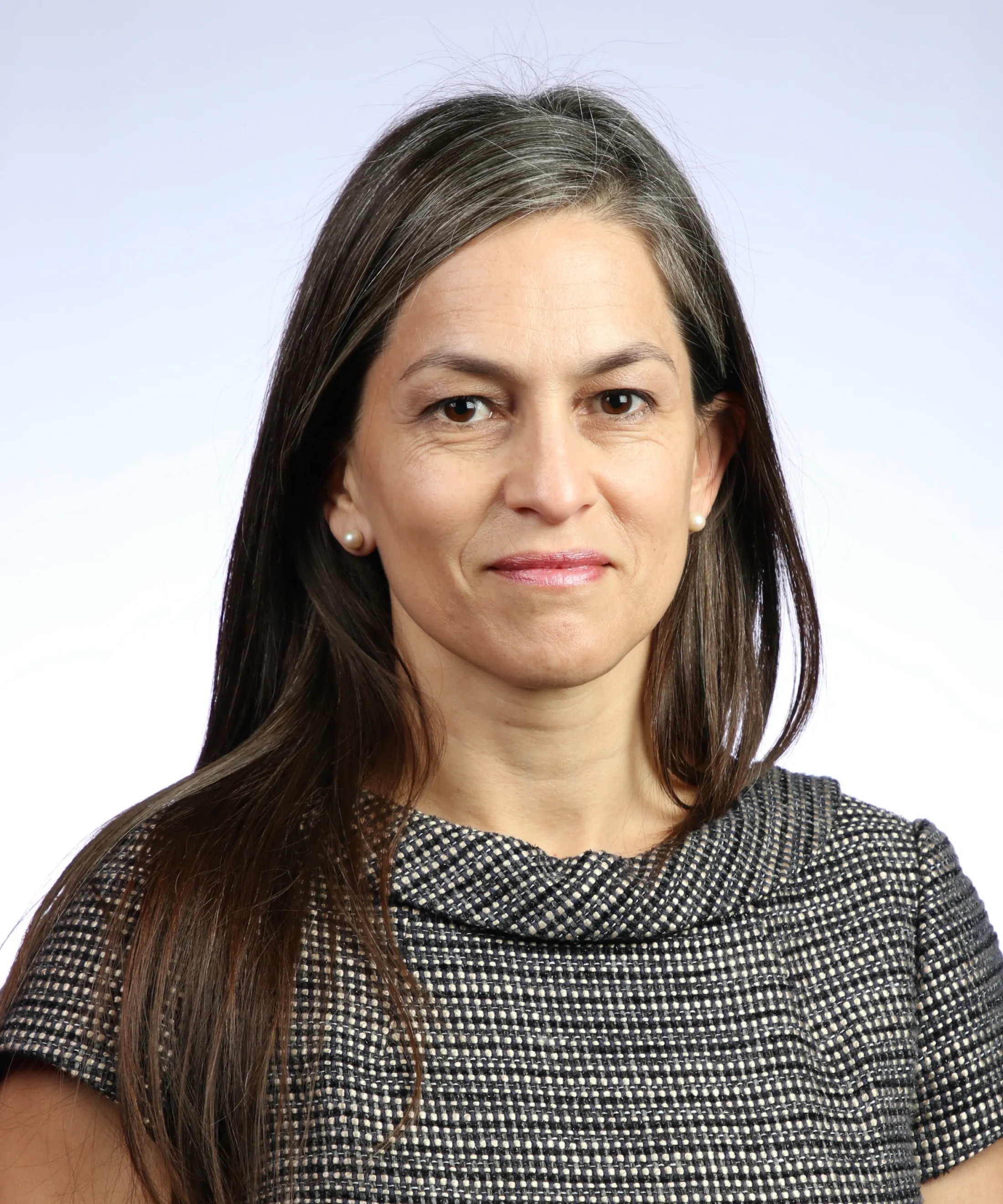
Laura Barreyro, Ph.D.
Senior Principal Scientist, Oncology Translational Research-Hematology, Johnson & Johnson
Video could not be played
Graduate school can be difficult; yet several critical aspects make Einstein a special place to pursue graduate studies. First is Einstein's unique atmosphere. It is very collegial. The collaborative environment and the quality of the science are exceptional. The opportunities for students and postdocs to network across the institution were critical for me. For instance, I learned how to conjugate antibodies for flow cytometry from a postdoc in Dr. Arturo Casadeval's Lab after he heard my struggles at happy hour on a Friday evening. Another quality that makes Einstein different is its faculty. The professors are simultaneously fierce and humble, and they interact with students as future peers. The faculty in the Department of Cell Biology generously committed their time to our scientific training, organizing regular journal clubs and work in progress seminars, which were essential to diversifying our knowledge outside our research topics.
Because of our findings during my graduate research, I became interested in the role of innate immunity in leukemia development and maintenance. After graduation, I continued my training in Dr. Starczynowksi's group at Cincinnati Children's Hospital as a postdoctoral fellow, where I focused on understanding how cell-intrinsic, innate immune signaling influences leukemogenesis. In 2020, I joined the oncology translational research team at Janssen R&D, a Johnson and Johnson pharmaceutical company. I am currently working as a senior principal research scientist. In this role, I lead preclinical studies in the heme myeloid malignancies group, act as the translational research lead for an early-development Phase 1/2 myeloid program and collaborate with academic institutions to understand the mechanisms of disease progression and resistance to therapy in hematologic malignancies.
I am incredibly grateful for the opportunity to pursue graduate studies at Einstein. I am also fortunate to be able to keep working in the same field where I was trained for my Ph.D. and become part of the process that turns ideas from the laboratory into cures for the patients
A Physician–Scientist Makes a Lasting Impression
My four years of post-doctoral experience working in Paul Frenette’s Lab in the Department of Cell Biology was wonderful! The time I spent at Einstein not only launched my professional career, but also shaped the way I approach science, research, and collaboration. I feel incredibly lucky and honored to be part of this vibrant and supportive community.
I first learned about Paul’s groundbreaking work and Einstein in 2013 when I was still a graduate student at the University of Wisconsin–Madison. It was at the annual ASH meeting where Paul presented his findings on how sympathetic nerves innervate the bone marrow and regulate hematopoietic regeneration. Inspired by his remarkable scientific accomplishment, I reached out to Paul for a postdoctoral position when I was wrapping up my Ph.D. work. Our first, hour-long virtual meeting was such a fantastic discussion, in early 2017, I joined his lab—a decision that profoundly impacted my life.
Paul was, above all, an exceptional mentor! I remember the days he stopped by my bench to discuss data, projects, and science. We were all deeply saddened by his untimely passing in 2021. I vividly recall our last conversation, just two weeks before his passing, when he called me to discuss the revisions for the manuscript. Even in his final days, he steered his energy and wisdom to guide his students.
The time I spent at Einstein ... shaped the way I approach science, research, and collaboration.
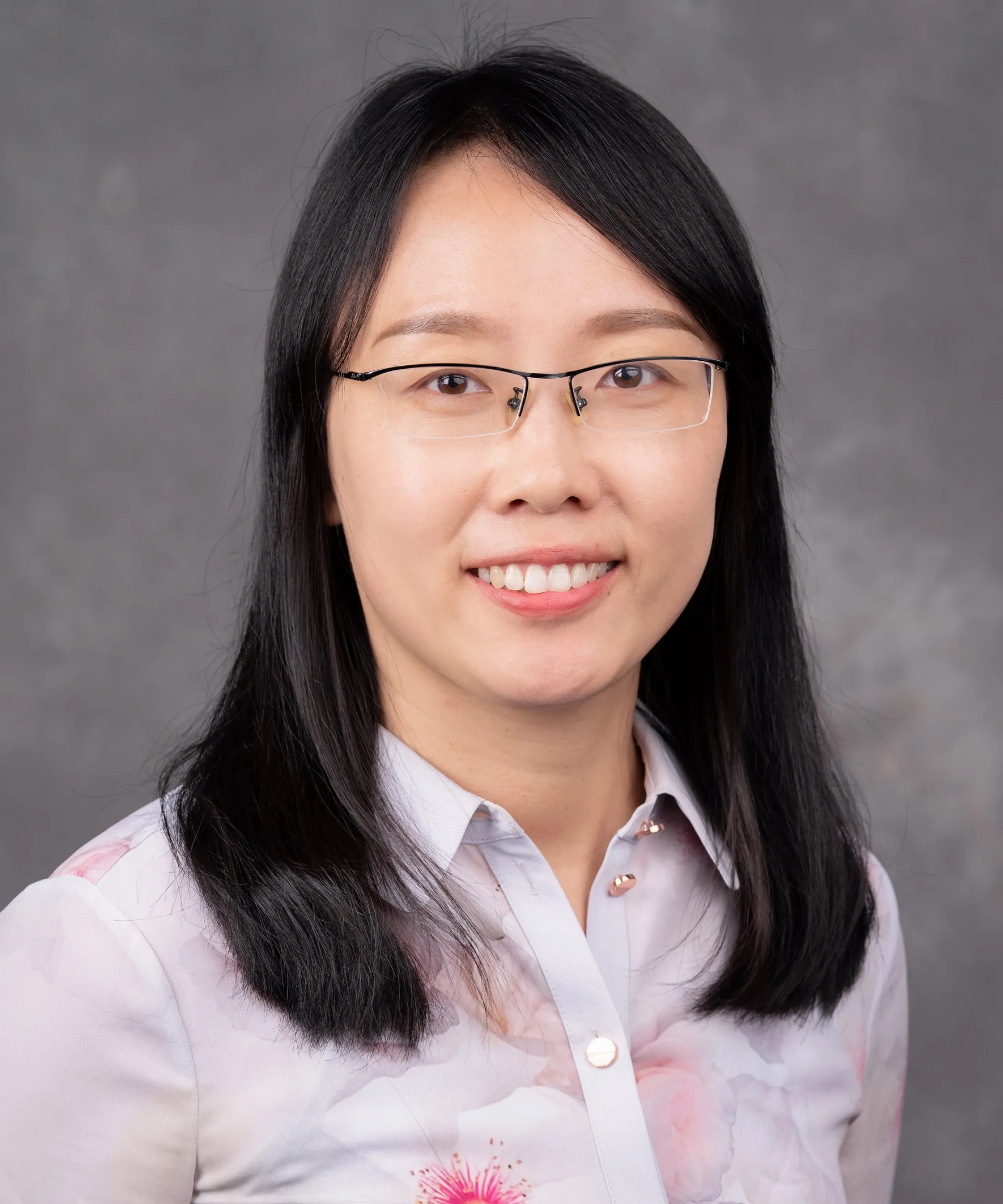
Xin Gao, Ph.D.
Assistant Professor, University of Wisconsin–Madison
Video could not be played
During my time in the Department of Cell Biology, I had the privilege of working with extraordinary faculty and colleagues whose dedication to science was truly inspiring. Whether it was in the laboratory, at the departmental WIP seminars, or during informal discussions, the environment fostered curiosity, innovation, and a deep passion for discovery. After Paul’s passing, the department and Einstein offered tremendous support to the trainees in the Frenette Lab. I am especially thankful for the mentorship and support that I received from Dr. Uli Steidl, both during that difficult time and continuing through today!
My training and work at Einstein laid the foundation for my independent academic career. I am currently a tenure track Assistant Professor in the Department of Pathology and Laboratory Medicine, Wisconsin Blood Cancer Research Institute, University of Wisconsin–Madison. While I continue to investigate functional roles of bone marrow niches in regulating normal and malignant hematopoiesis, I hope in my new role I can carry on the academic tradition of this department and amplify Paul’s scientific legacy.
A Fun Place to Learn & Grow
I graduated from Albert Einstein College of Medicine in 2014. It all began with my wonderful lab rotation experience in the laboratories of Professors Charles Query and Margaret Kielian. Following my rotations, I joined the Kielian Lab, as I thought alphaviruses were much simpler than Saccharomyces cerevisiae. It turned out, however, that the biology of alphavirus infection is more complicated than that of yeast, at least in my opinion.
Einstein’s Department of Cell Biology is arguably the best place I have ever been for learning, growing, and building my career. Despite solely focusing on a defined research project, all cell biology trainees were constantly exposed to a broad spectrum of cell biological research themes, such as B-cell biology, cancer biology, cell death, DNA damage/repair/replication, epigenetics, glycobiology, RNA splicing, protein translation, stem cell biology, and—my lifelong research interest—the cell biology of viral infection. This dynamic research environment is rather rare, and I have not come across another place like it ever since.
This dynamic research environment is rather rare, and I have not come across another place like it ...
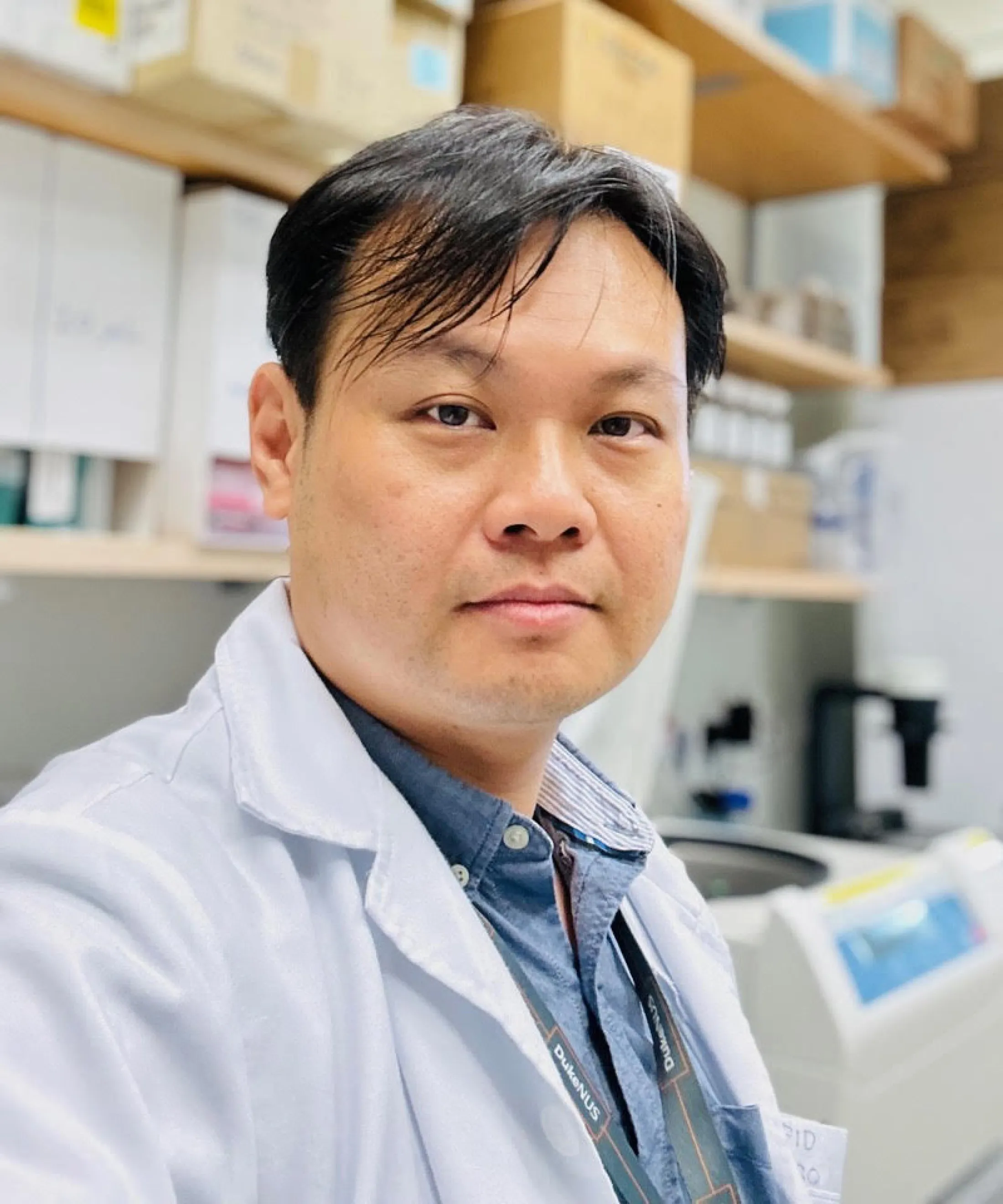
Yaw Shin Ooi, Ph.D.
Assistant Professor, Duke–National University of Singapore (Duke–NUS) Medical School
Video could not be played
I have many fond memories from my time as a student in cell biology, including an interaction with the late Professor Jonathan Warner, who discovered polysomes and owned a car with the license plate “RIBOSOME”. Catherine Liu (a former M.D./Ph.D. student in the Kielian Lab) and I went to his office on a late afternoon to seek his input on knocking down a ribosomal gene as a control in our genome-wide RNAi screens to dissect the entry and exit mechanisms of alphavirus. Jon made a joke, saying, “You two must be really desperate to come talking to me at this hour on a Friday!” He could literally visualize the structure of ribosomes in his mind and point out the essentiality of many ribosomal subunits. This was one of the many mind-blowing experiences that I had as a second-year Ph.D. student.
The Department of Cell Biology provides a fun place to learn and grow, which extends beyond a thesis lab. For instance, students from different labs are paired to present papers for journal clubs. Additionally, trainees are given opportunities to both present at and moderate weekly Work In Progress seminars, where they are always encouraged to ask the first questions before the faculty. Furthermore, graduate students in the Cellular and Molecular Biology and Genetics Training Program also got to vote and invite an external speaker to visit and deliver a seminar that is open to the entire Einstein community. In 2012, my cohort of students voted for Professor Randy Schekman, right before he won the Nobel Prize the following year. It was a special experience for a group of rookies, including myself, to have dinner with a prominent scientist, discussing his science, academic life, and experience as the editor-in-chief of PNAS and founding editor-in-chief of eLife.
After Einstein, I pursued my postdoctoral training at Stanford University School of Medicine, researching the cell biology of flavivirus and enterovirus infections. At the end of 2019, I moved to Singapore to set up my independent lab at the Emerging Infectious Diseases program at Duke-National University of Singapore Medical School. My team studies the biology of viral pathogens of pandemic potential in human and bat cells. As you can tell, my research theme remains well-aligned with where it began in the Department of Cell Biology at Einstein.
Open Doors Lead to Unexpected Research Interests
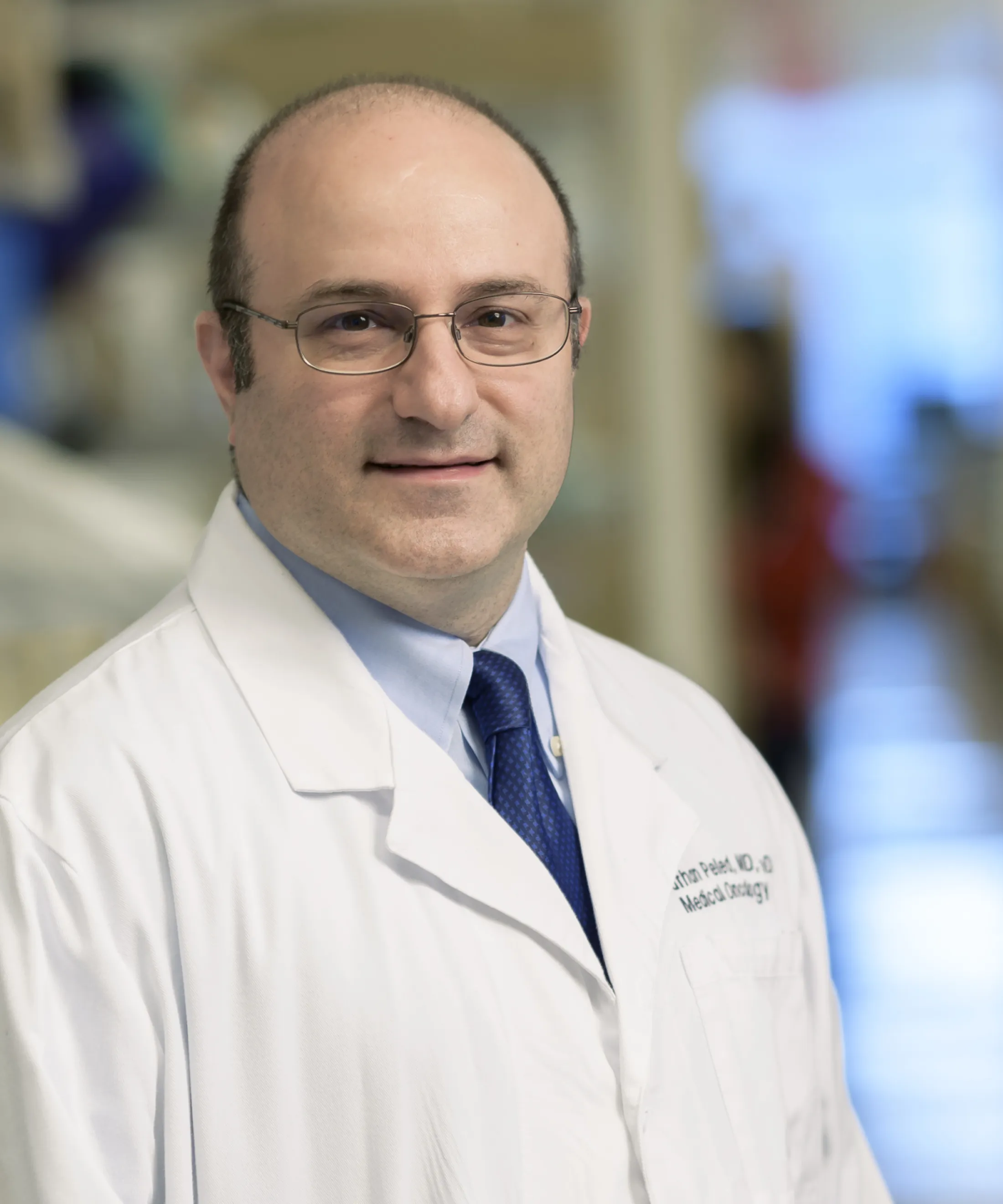
I had a wonderful time conducting my Ph.D. thesis studies in the Department of Cell Biology laboratory of Mathew Scharff. The collegial and inquisitive environment was terrific, and I always felt, as a student, my questions, my experiments, and my interest were everyone’s priority. Particularly, the shared equipment and an open-door policy that every lab had was nice. I remember going door to door, looking for reagents or equipment or expertise in some technique. This is also paired with a social camaraderie, including long poker sessions and qualifying oral-exam preparation drills at the chalkboard, thesis defense parties during which the graduates would autograph the pockmark leti in the ceiling tile by the champagne cork. Undoubtedly, my time in the Cell Biology department served as my formative scientific years and set me on the path of the rest of my career.
I always felt as a student, my questions, my experiments, and my interest were everyone’s priority.
Jonathan Peled, M.D., Ph.D.
Associate Director, Center for Hematological Malignancies, Memorial Sloan Kettering Cancer Center
Video could not be played
As an example of the highly collaborative environment in the Department of Cell Biology, half of my thesis work ended up as an unplanned paper that began as a minor side project. My primary work was in Mathew Scharff’s lab where I was characterizing lymphomas that arise from germinal center B cells carrying mutations in the mismatch repair pathway. Hilda Ye was a lymphoma expert working on cyclins in B cells, which was largely unrelated; but through our conversations, I ended up collaborating with her. This blossomed into an entire project about the role of a particular cyclin in the formation of germinal centers that ultimately grew into a first-author paper and half of my Ph.D. thesis. It was a wonderful collaboration that was very valuable, and the key is that Hilda became a wonderful second thesis mentor to me, even though that was not originally the plan.
After graduating with an M.D./Ph.D. degree in 2010, I completed my clinical rotations, studied internal medicine at Massachusetts General Hospital, and then returned to New York for a heme/onc fellowship at Memorial Sloan Kettering Cancer Center (MSK). At MSK, I stayed on as a junior clinical faculty member and recently launched my independent lab, where I study the microbiome and cancer immunotherapy. I also serve as an attending physician on the bone marrow transplantation service. Hopefully, in this current role, I will continue to carry on the tradition that I learned at Einstein: using my clinical work to guide my research, and vice versa, while also helping to train the next generation of physician scientists.
Collaborative Culture Shapes Inquisitive Scientists
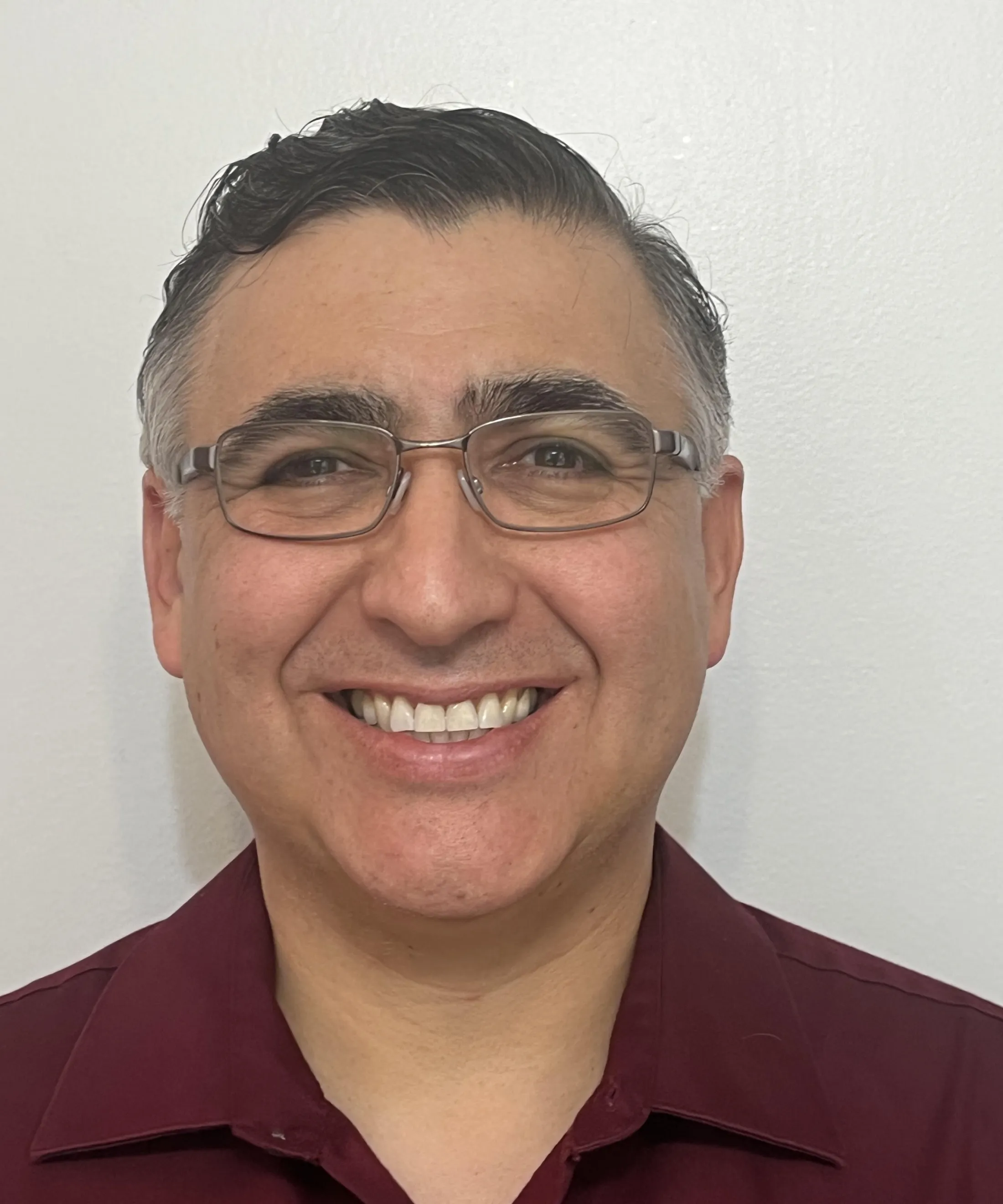
I am a cell biologist turned cancer immunologist with over 26 years of combined experience in academic research and in pharma drug discovery. I have been working on developing therapeutics to treat cancer at Janssen R&D for over 13 years. Looking back at my career, nothing would have been possible without the strong training and the “think big” and “can do” mentality instilled in me, by example, during my Ph.D. years at Albert Einstein College of Medicine.
There is something beyond the outstanding science that is the essence of Einstein ... the people and the culture, how they teach and lead.
M. Alejandro Sepulveda, Ph.D.
Scientific Director, Head of Oncology Vaccines & IO-Biologics Discovery, Janssen Research & Development, Johnson & Johnson
Video could not be played
What do I mean? I arrived at JFK airport from Chile on a cold January morning in 1998—my suitcase was mainly full of adrenaline. Four days later I was attending my first Ph.D. class at the Sue Golding Graduate Division. Everything was new, lots to learn, starting with meeting people I have never met, but who I “knew” from their published work. My first shock was how welcomed I felt by Einstein staff and faculty. My second: calling professors by their first names.
I joined the Department of Cell Biology performing molecular immunology studies on the regulation of IgH expression and function in Barbara Birshtein’s lab. Over the years, I came to love the variety of science in our department. I learned about a wide variety of seemingly unrelated topics; little did I know that I was going to use everything I ever learned to succeed in my current job. Some of my most precious memories are of the journal clubs and hallway conversations with our faculty. I was always surprised by how generous they were with their time and how insightful their comments were. … I wanted to be like that one day. With time, the feeling of belonging grew strong; being valued for being inquisitive was the norm. Einstein would shape the kind of scientist I would become.
I am profoundly grateful for my days at Einstein. I am currently, the Scientific Director and Head of Oncology Vaccines and IO-Biologics Discovery at Janssen’s Oncology Immuno-Therapy Pathway Area Stronghold. My team leads research in novel vaccine therapeutics for the treatment of cancer, discovery efforts in the areas of (neo)-antigen identification and validation, development of novel T-cell redirection platforms, and designing next-generation oncolytic viruses. My door will always be open to colleagues from Einstein.