

Video could not be played
Harry Eagle Postdoctoral Scholarship
Albert Einstein College of Medicine’s Harry Eagle Scholarship for postdoctoral fellows in cell biology offers a competitive stipend to promising scientists-in-training. Named after the founding chair of the Department of Cell Biology and the first director of the Montefiore Einstein Cancer Center, the purpose of the scholarship is to inspire and cultivate tomorrow’s science innovators and leaders to follow in the footsteps of Dr. Eagle and pioneer new science.
Scholarship Requirements
Harry Eagle Scholarship recipients receive an annual stipend of $75,000 for up to three years. Einstein offers outstanding state-of-the-art facilities to conduct molecular and cellular biology research and subsidized, on-campus housing. We seek exceptional young researchers who have shown clear evidence of scientific productivity and excellence and would like to further develop their career by joining our highly dynamic and stimulating research community.
Application & Selection Process
Harry Eagle Scholarship candidates must meet the following requirements:
- be within two years of completing a Ph.D. degree or M.D./Ph.D. degree
- have a proven track record of excellence in research
Candidates may apply on an invitation-only basis throughout the year. The following application materials are required:
- a CV
- three letters of recommendation
About Dr. Harry Eagle
Dr. Harry Eagle was a hugely influential, visionary leader in the early years of our medical school. As a physician scientist, Dr. Eagle published prolifically and made many important medical discoveries. His best-known achievement, his formulation of the Eagle’s medium in 1959, ushered in the era of animal cell culture and in vitro cell studies in modern medicine.
Participating Faculty Mentors
Video could not be played
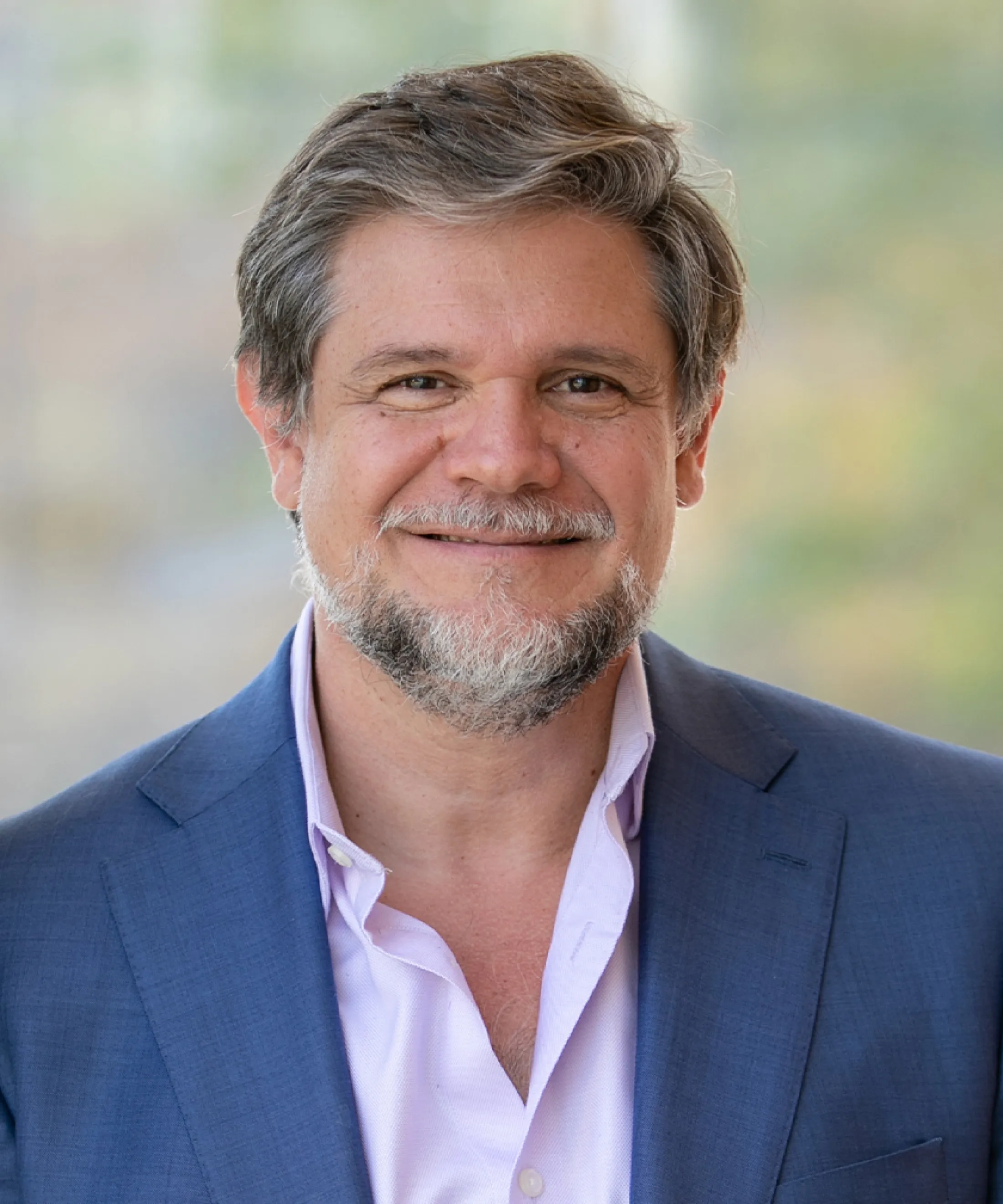
Julio Aguirre-Ghiso
Cancer dormancy: understanding the biology of metastasis
Video could not be played
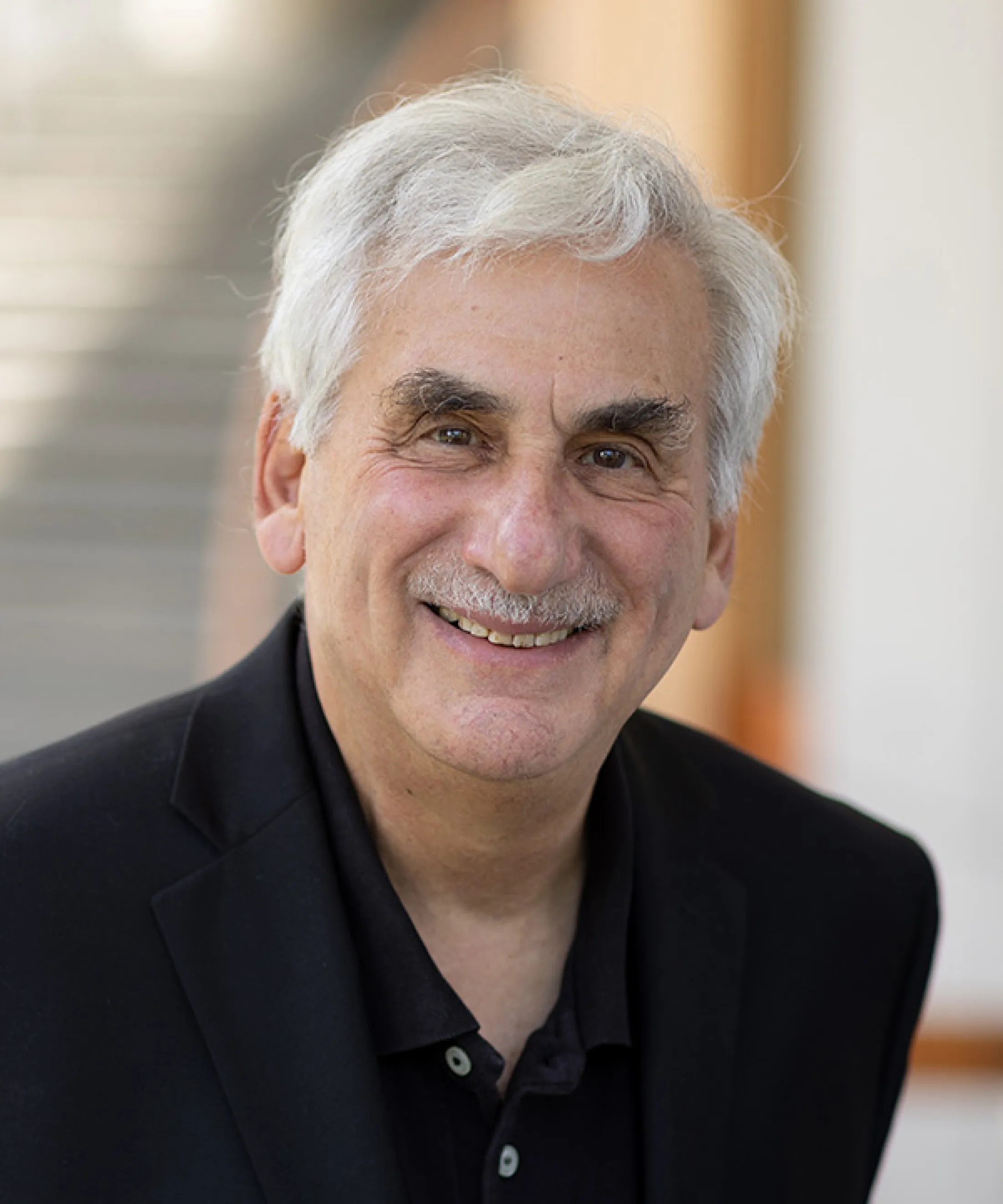
Leonard Augenlicht
Nutritional and genetic regulation of intestinal homeostasis and stem cell functions
Video could not be played
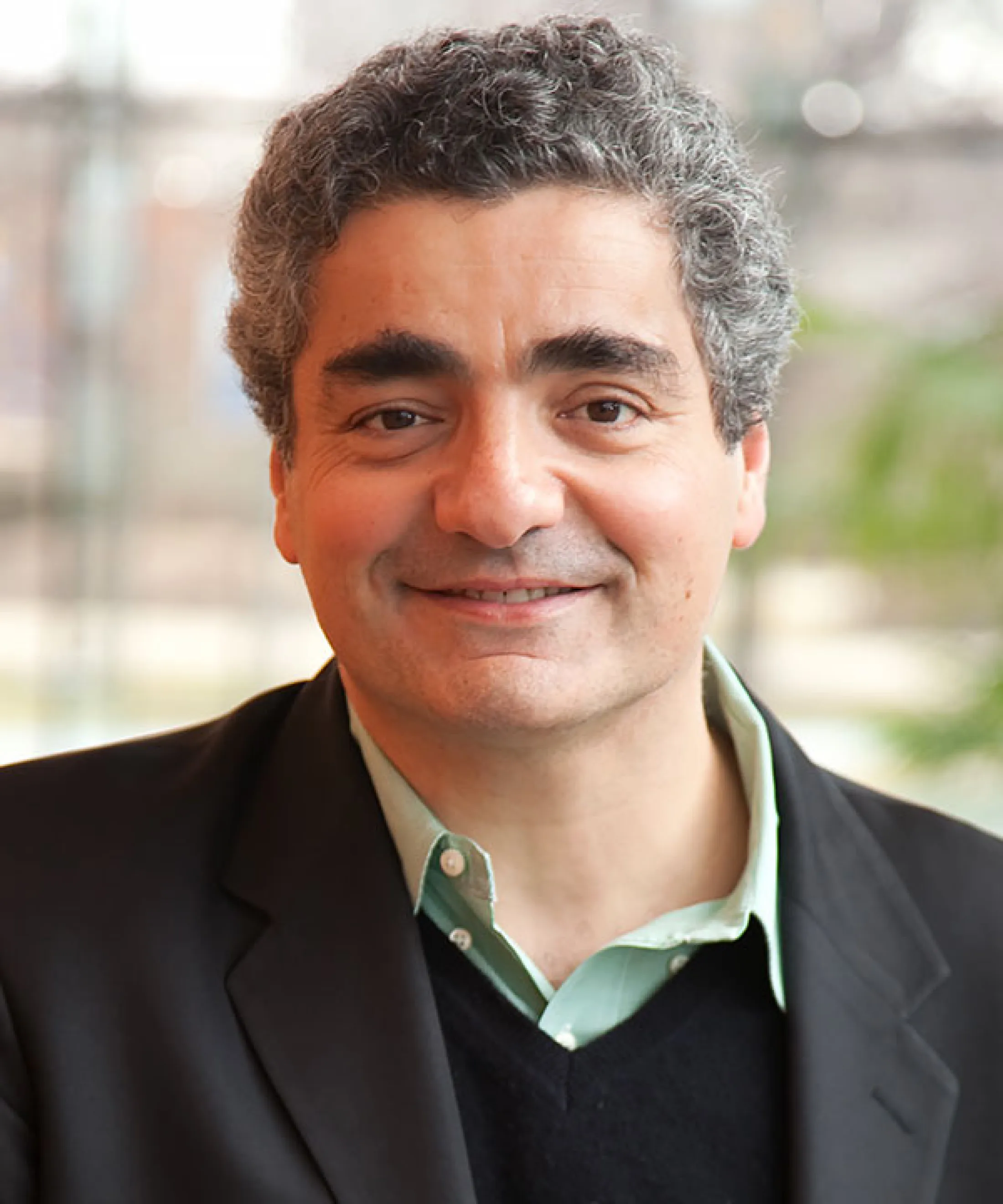
Eric Bouhassira
Stem cell biology, epigenetics, erythropoiesis, and DNA replication

Video could not be played
Maria Cecilia Campos Canessa
Research interests include mucosal immunology, cellular communication, microbiota, food allergy, and maternal-offspring interactions.
Robert Coleman
Research interests:human tumorigenesis, transcription, RNA processing, and translation
Video could not be played
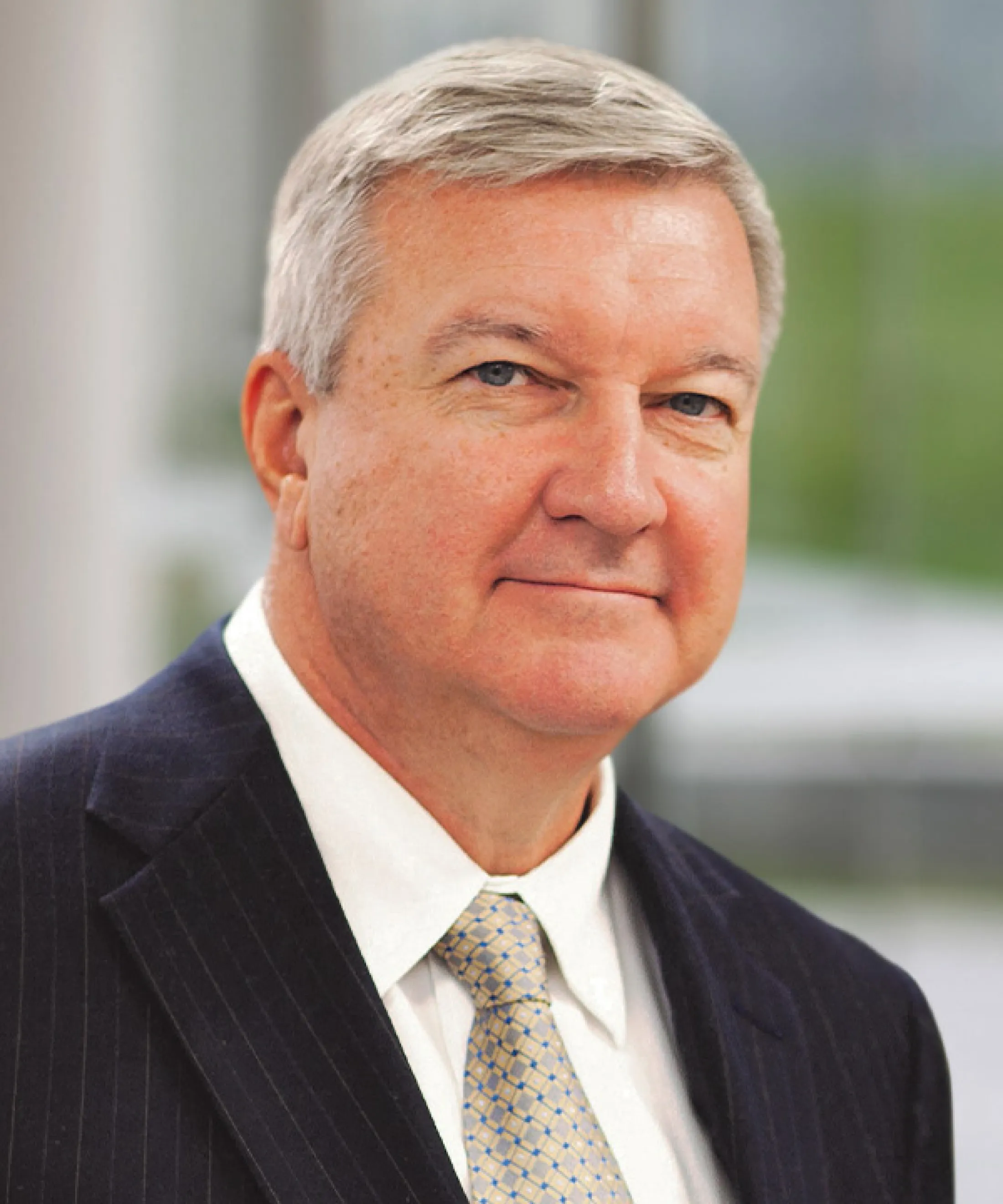
John Condeelis
Interests are in optical physics, cell biology and biophysics, cancer biology and mouse models of cancer. Development of multiphoton imaging technology used to identify intravasation microenvironments in metastatic tumors.
Video could not be played
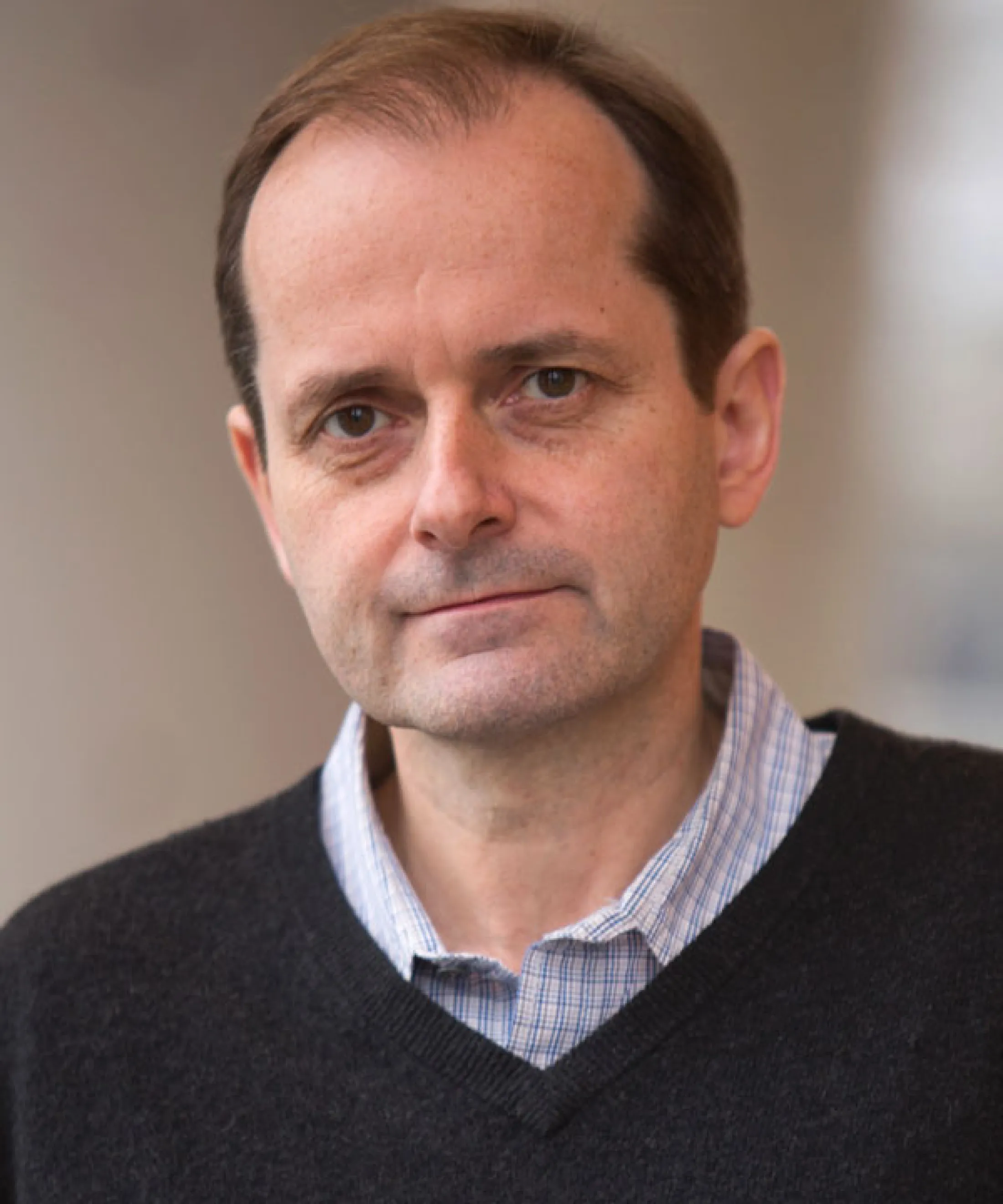
Winfried Edelmann
Mouse models to study DNA repair genes in cancer and meiosis.
Video could not be played
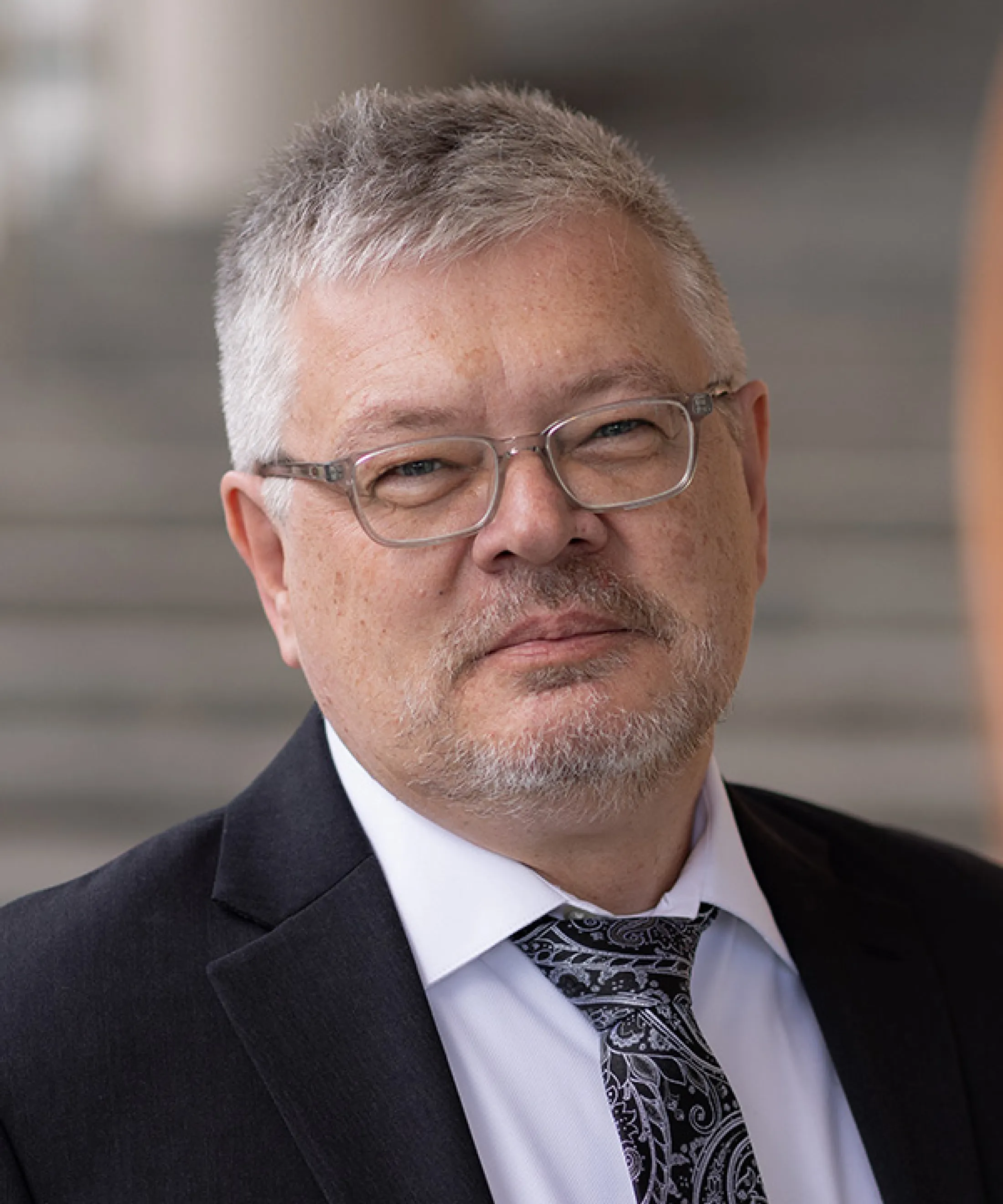
Dmitry Fyodorov
Chromosome assembly and dynamics; ATP-dependent nucleosome remodeling; histone chaperones; sperm chromatin; Drosophila melanogaster.
Video could not be played

Video could not be played
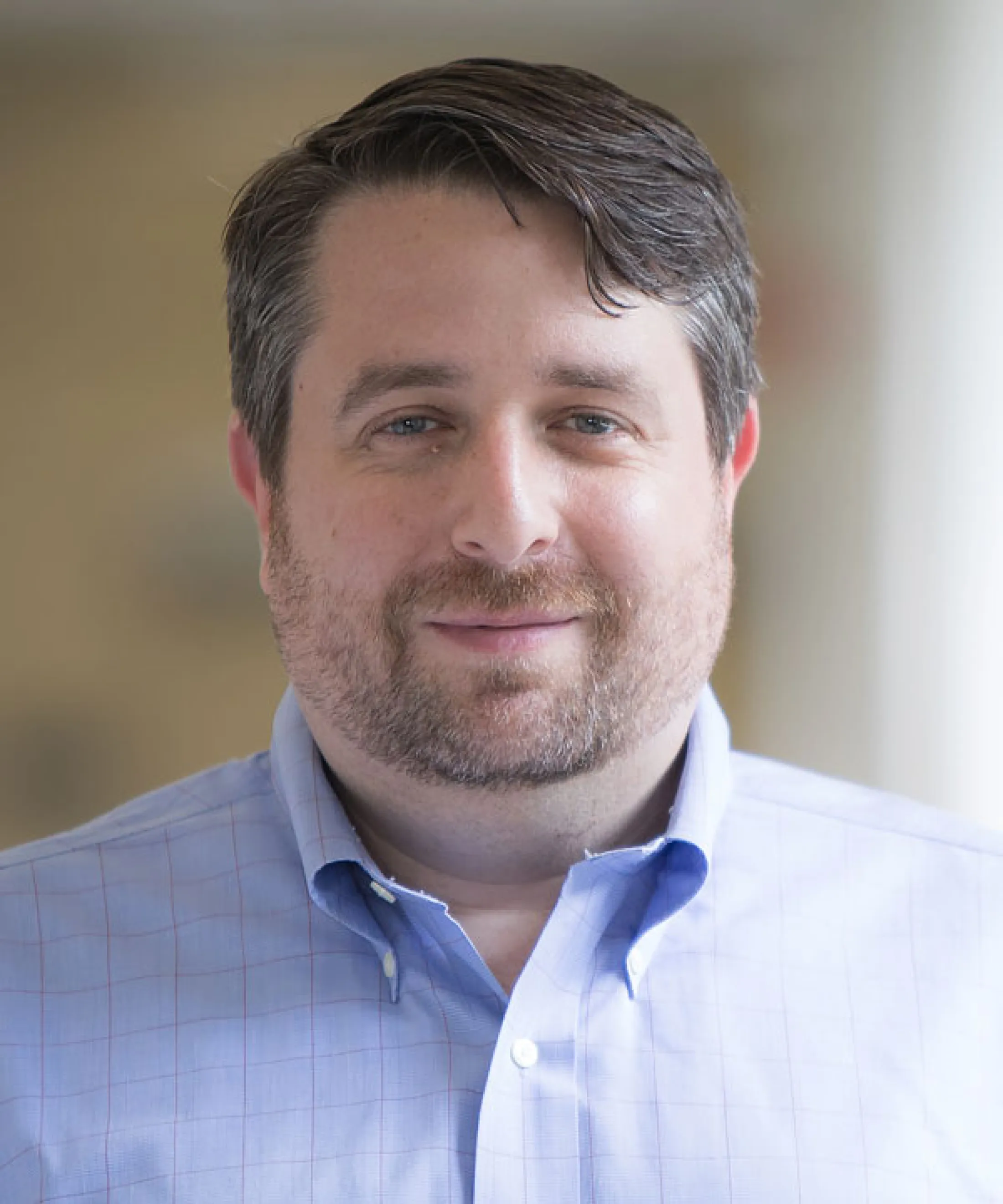
Kira Gritsman
The P13 Kinase signaling pathway in adult blood development and leukemia.
Video could not be played
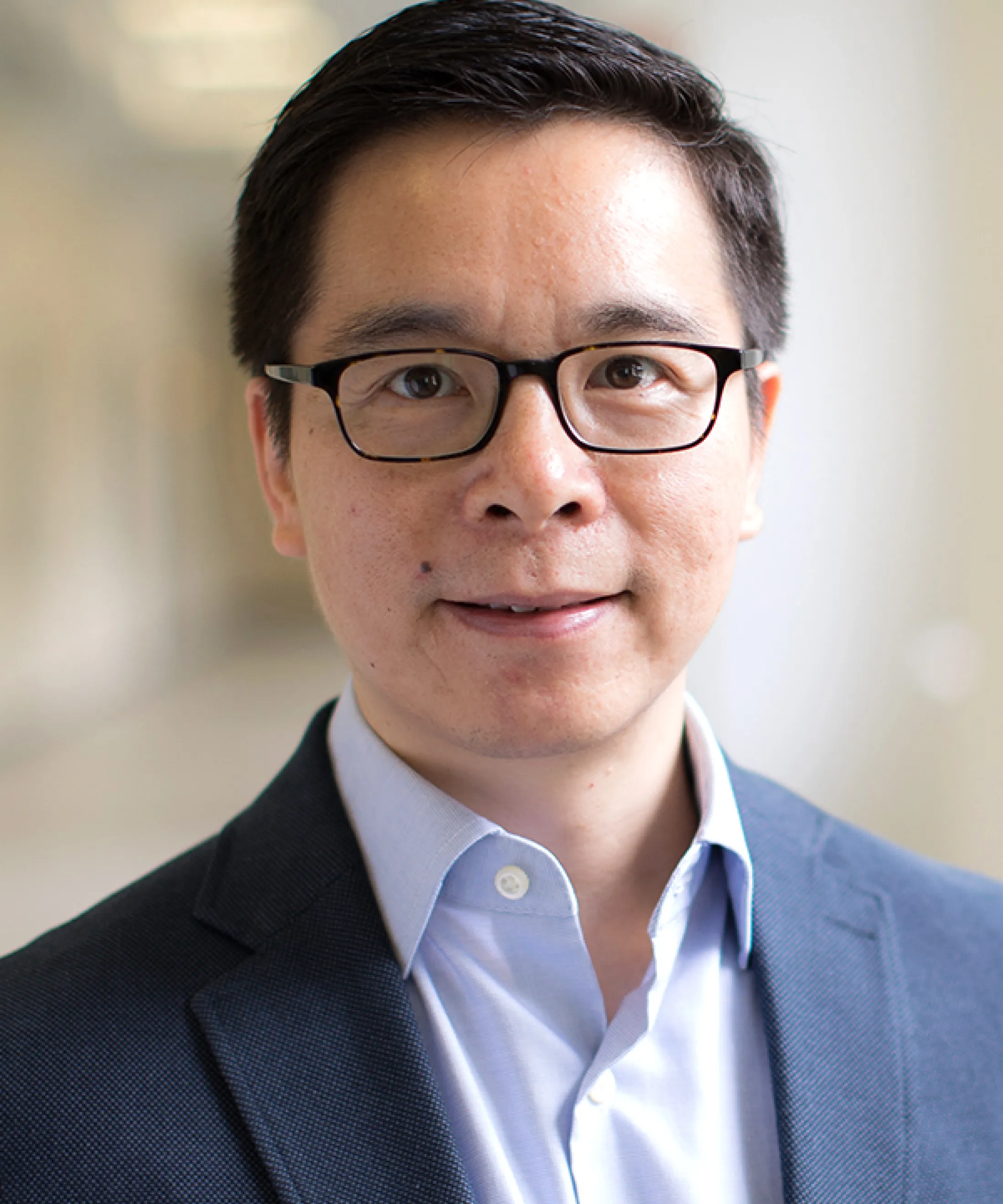
Wenjun Guo
Regulation of stem-cell states in the mammary gland and breast cancer.
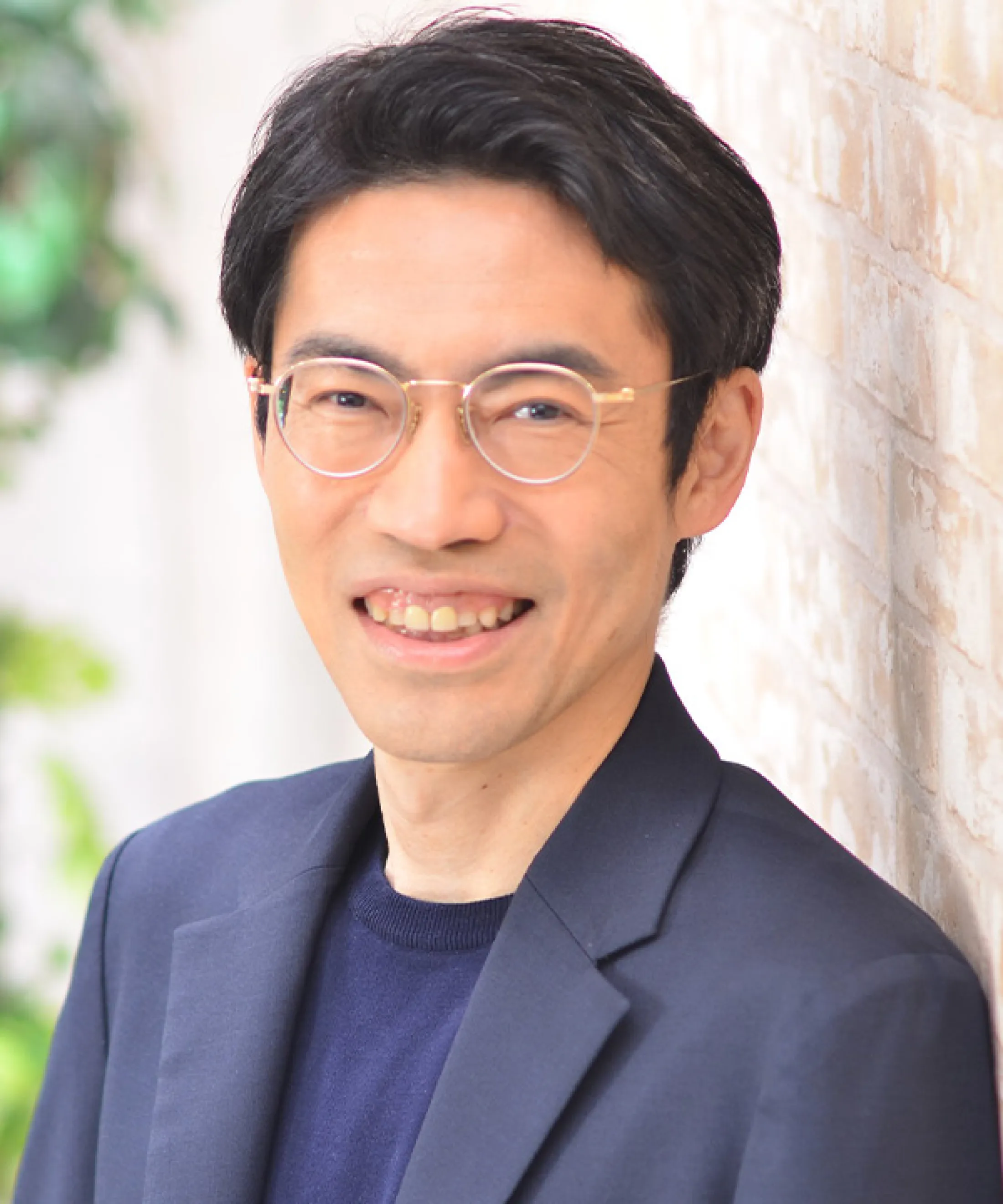
Video could not be played
Keisuke Ito
Biomedical research aiming toward the development of stem cell therapies.
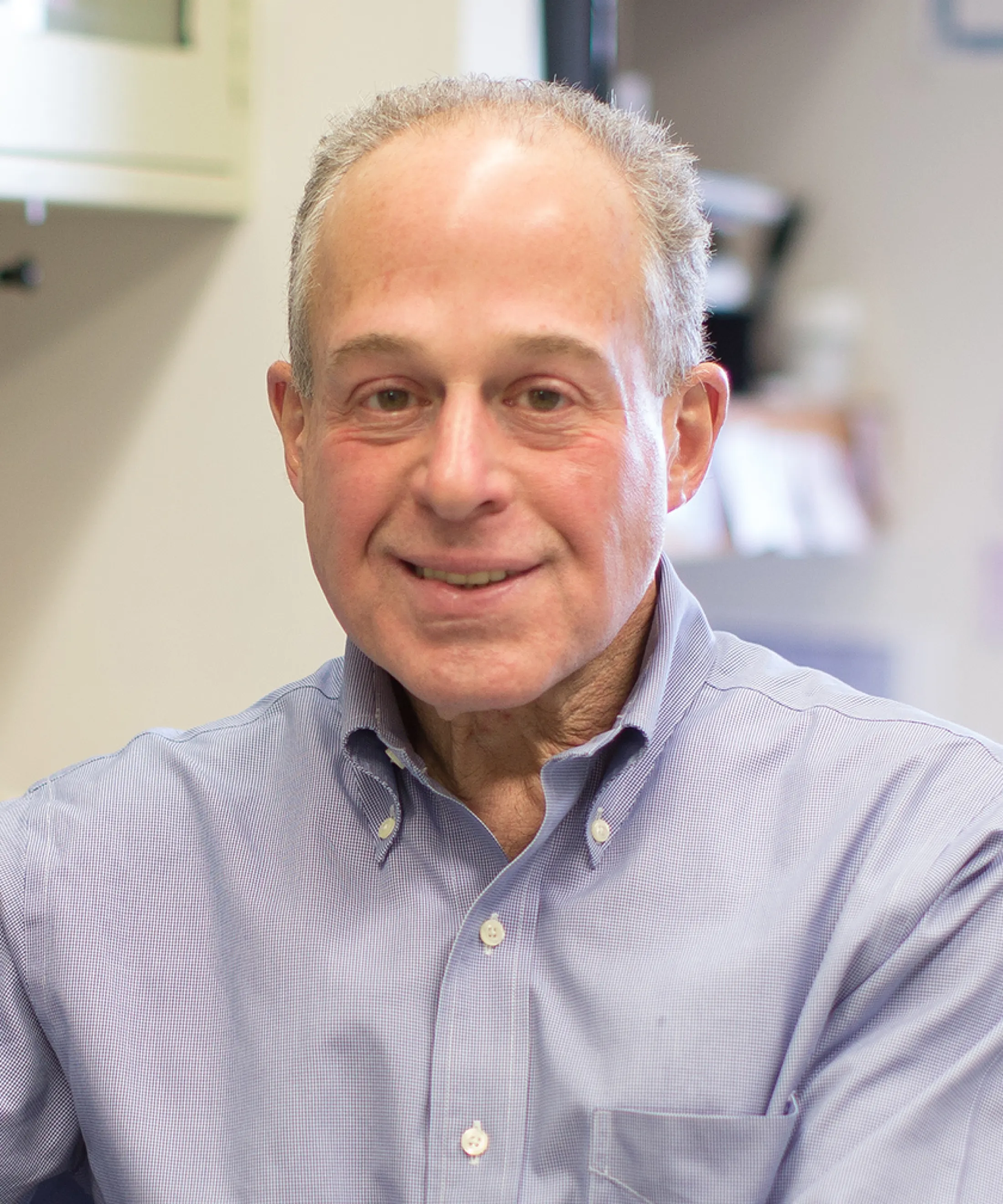
Video could not be played
Richard Kitsis
Fundamental mechanisms of cell death and their application to heart disease and cancer.

Video could not be played
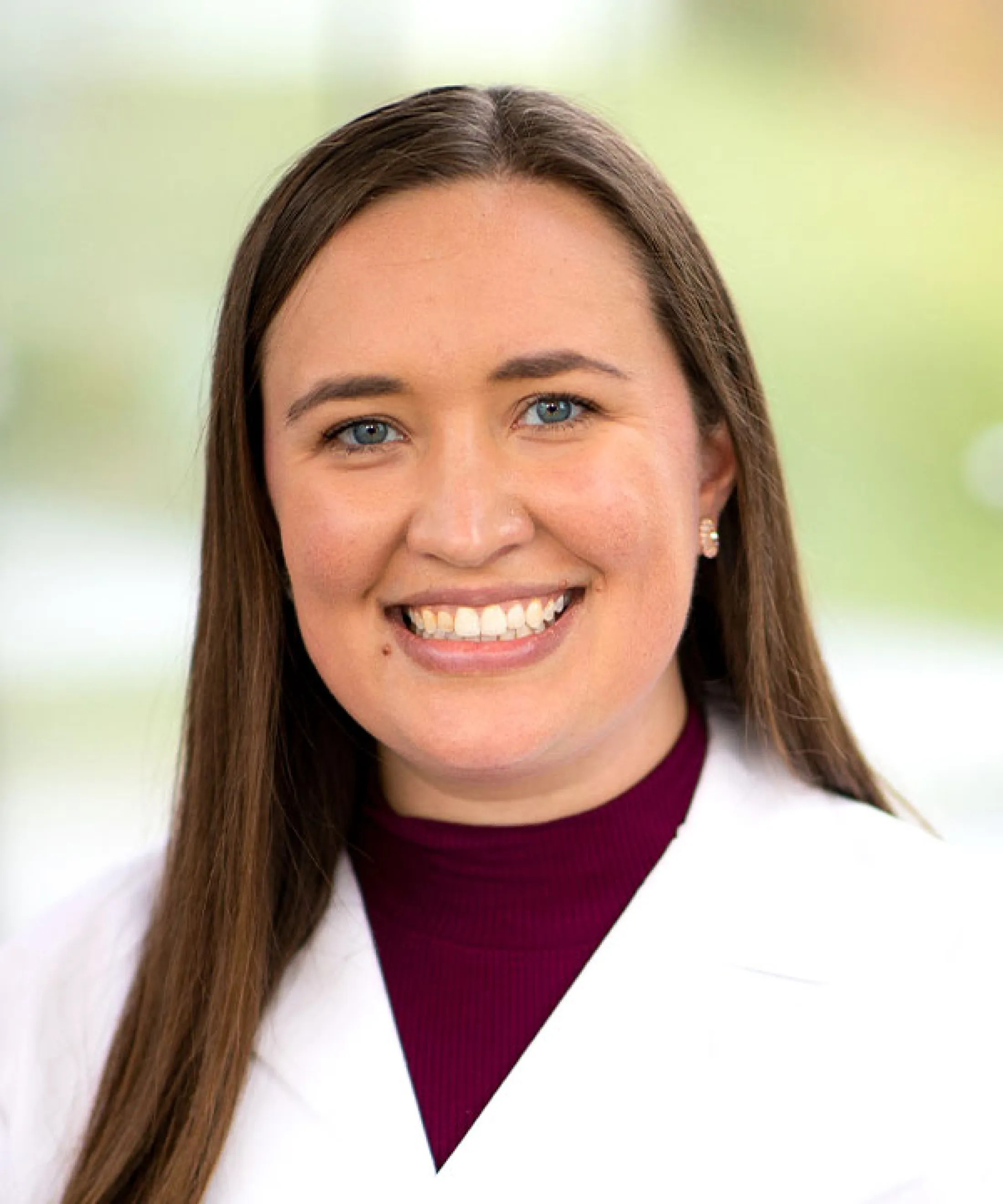
Video could not be played
Lindsay LaFave
Our lab uses state-of-the art epigenomic approaches to examine gene regulatory programs that drive cellular diversity in lung cancer progression.

Video could not be played
Maria Marianovich
Hematopoietic stem cell and cancer stem cell microenvironment. Our lab studies mechanisms that regulate the maintenance of bone marrow niches for hematopoietic stem cells during homeostasis, aging, or myeloid malignancy.
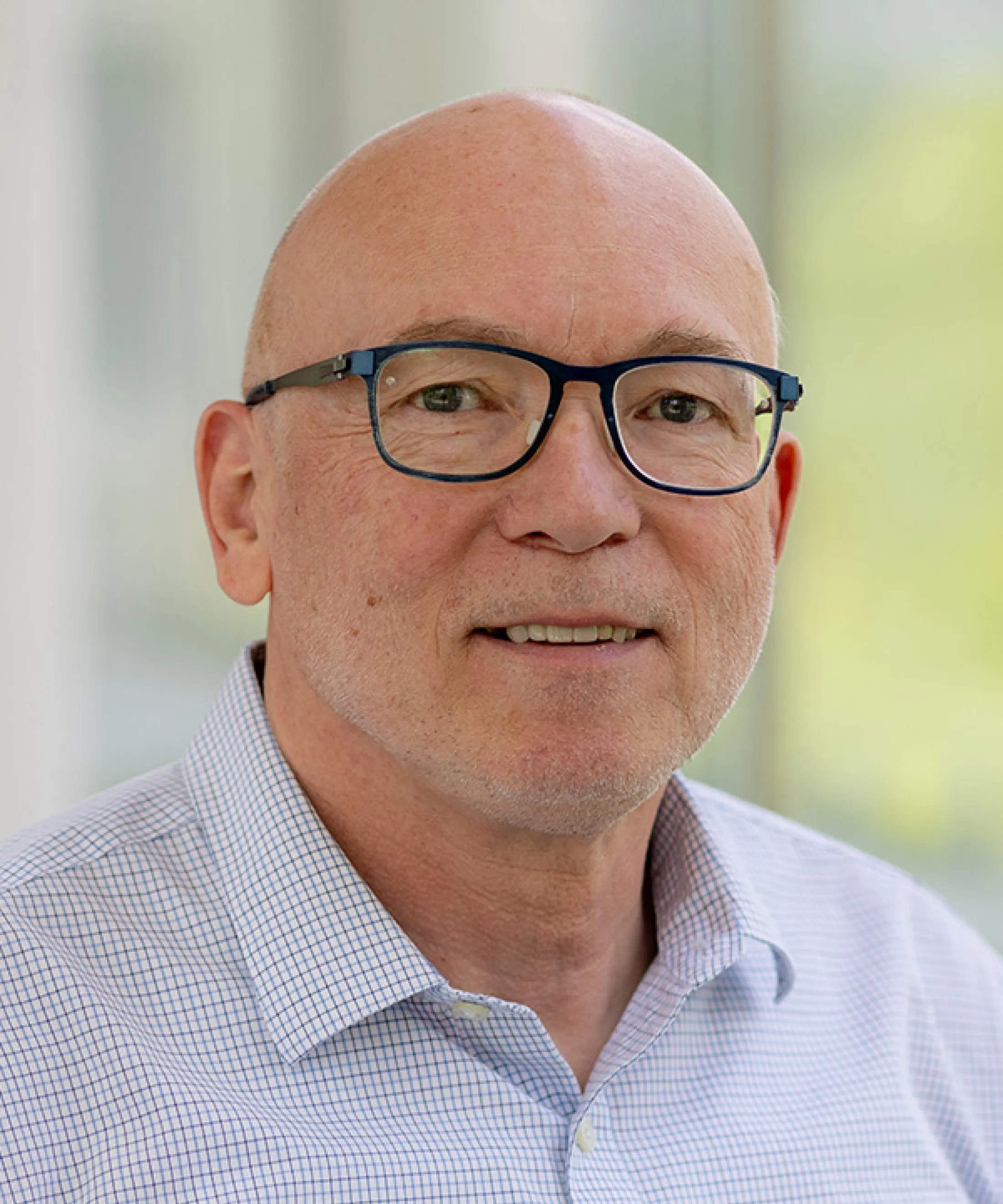
Video could not be played
U. Thomas Meier
Our group is studying the mechanism and regulation of nucleolar ribonucleoprotein biogenesis in relation to genetic disease, cancer, and human reproduction.

Video could not be played
Satish Nandakumar
Genetics of Blood Cancer Predisposition.
Video could not be played
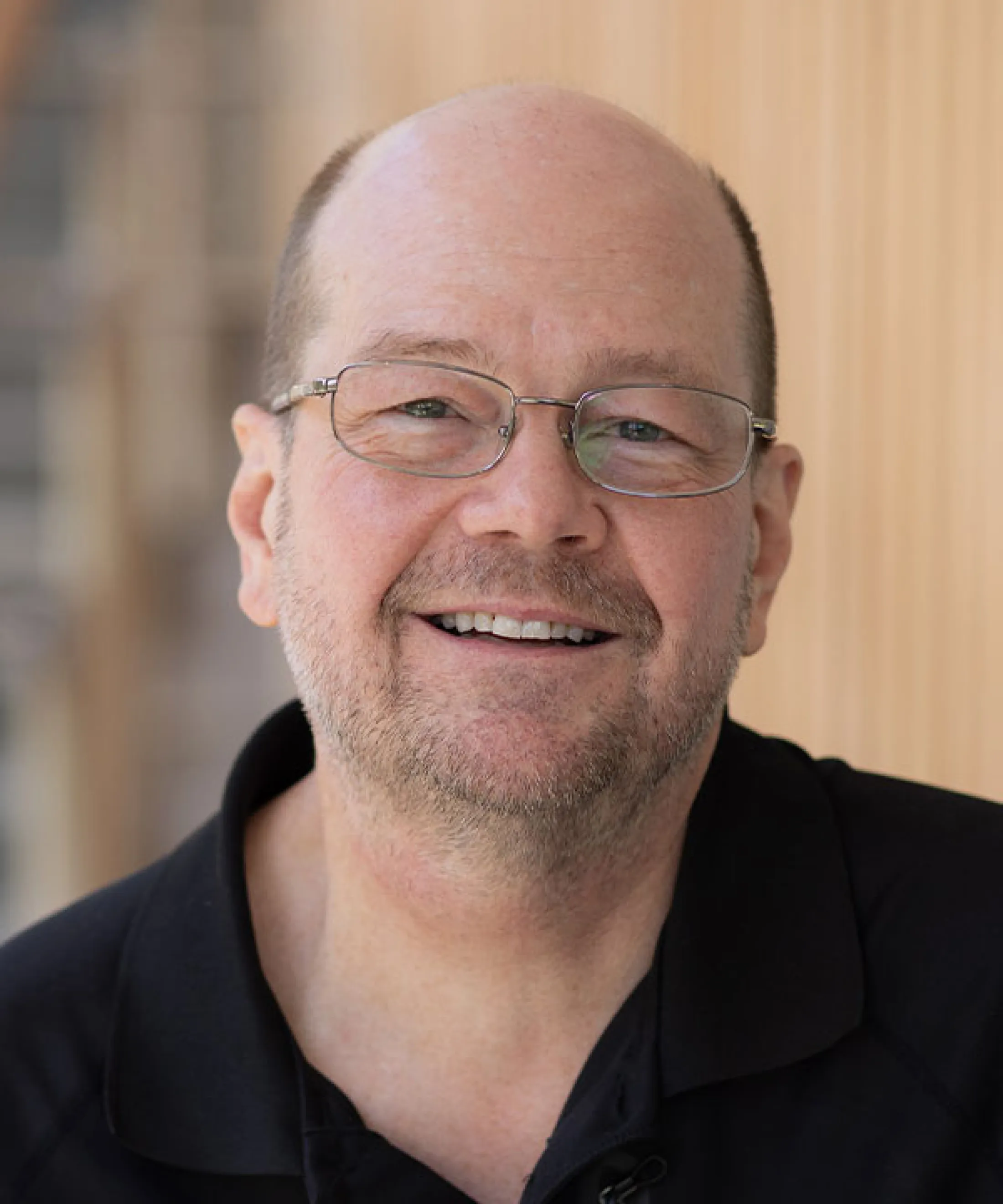
Charles Query
Mechanism and modulation of spliceosome function.
Video could not be played
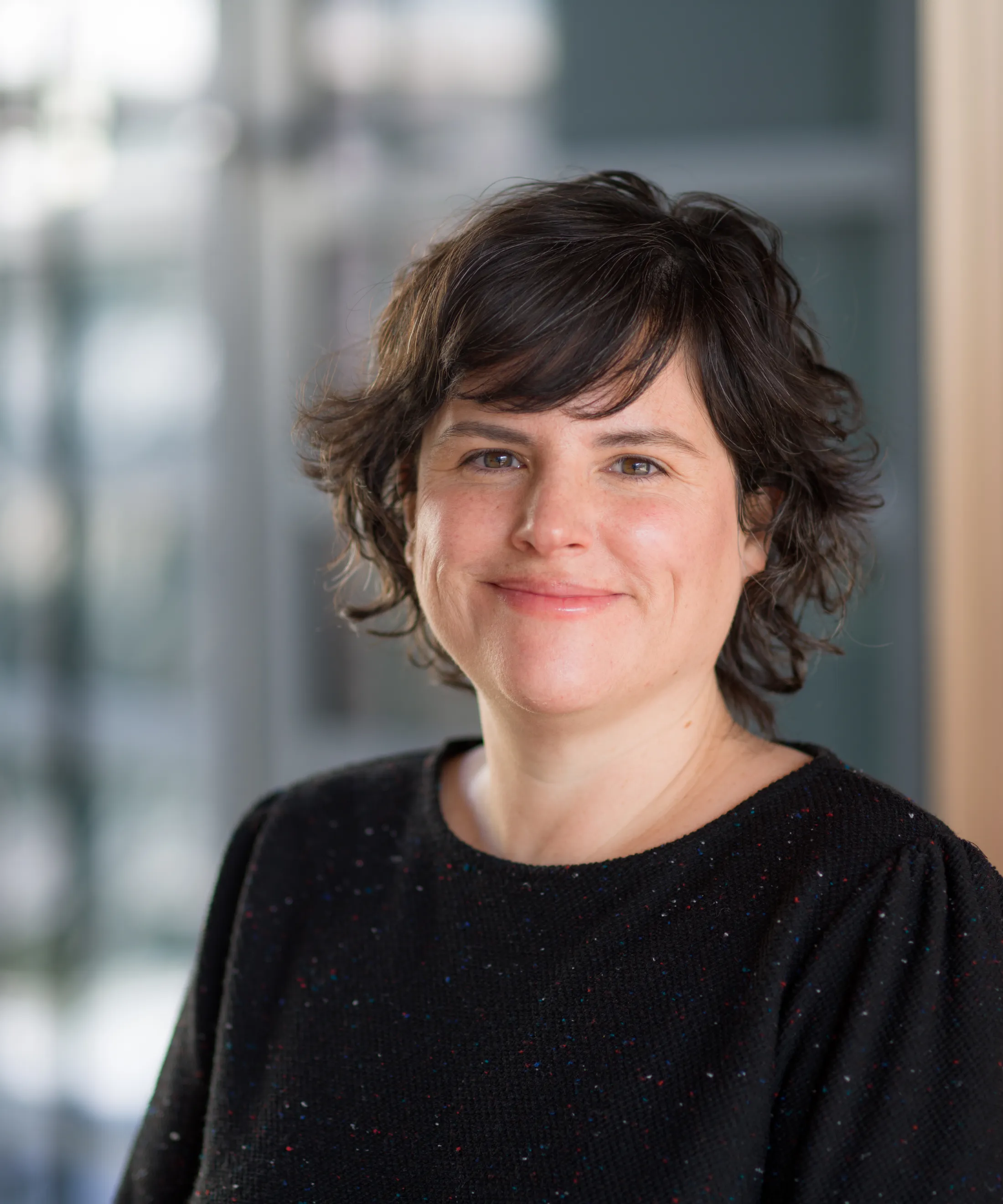
Alexandra Racanelli
Our laboratory uses cutting-edge human and murine approaches to understand the fundamental molecular mechanisms underlying pulmonary vascular dysfunctions that drive common incurable lung disease and lung cancer progression.

Video could not be played
Rebeca San Martin
Prostate cancer microenvironment. Bone metastasis and dormancy. Development of alternative in-vitro systems that model progression and metastasis.
Video could not be played
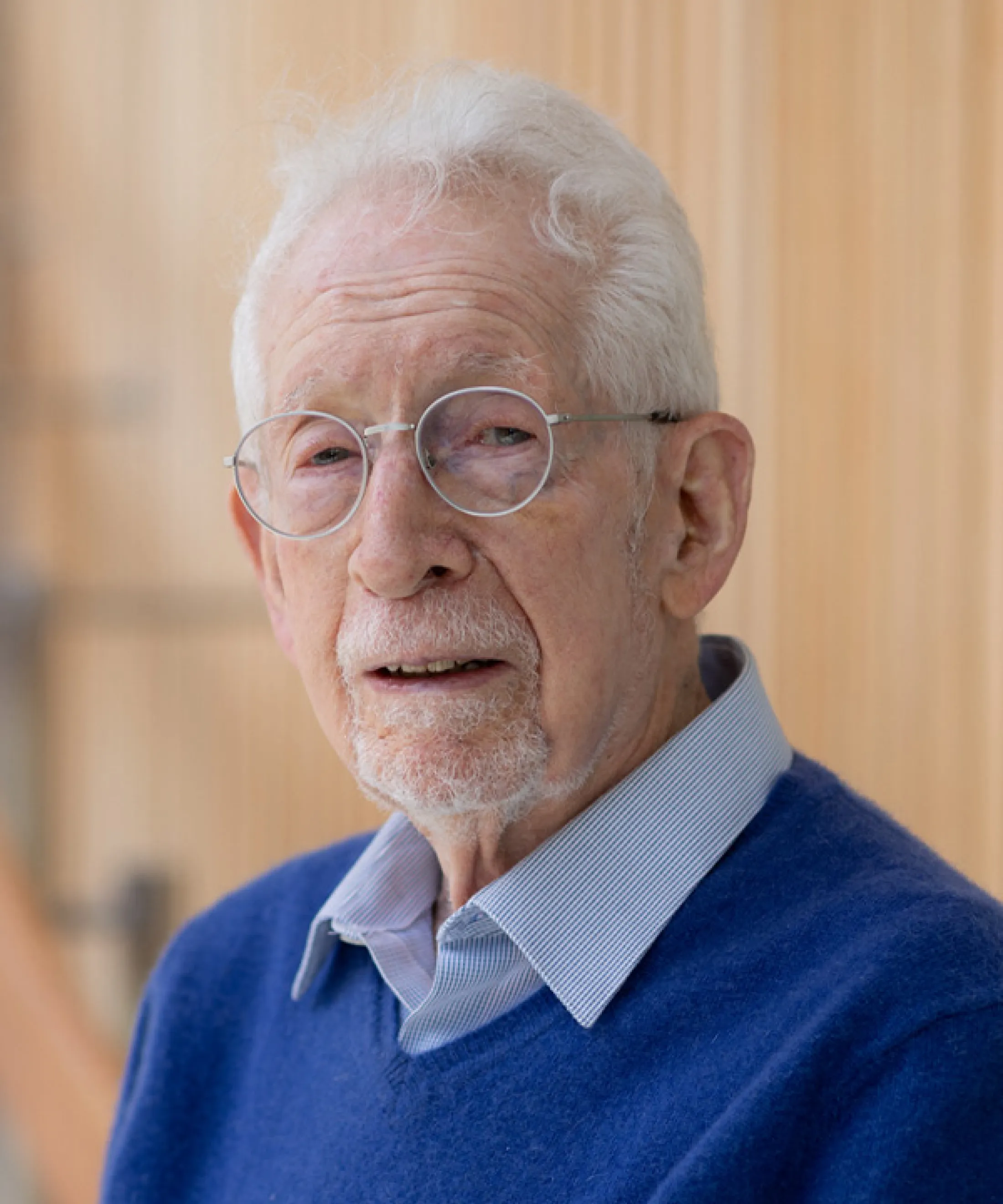
Carl Schildkraut
Role of dynamic DNA structures in the etiology of cancer, fragile X syndrome and telomere dysfunction. Projects include studies in embryonic stem cells.
Video could not be played
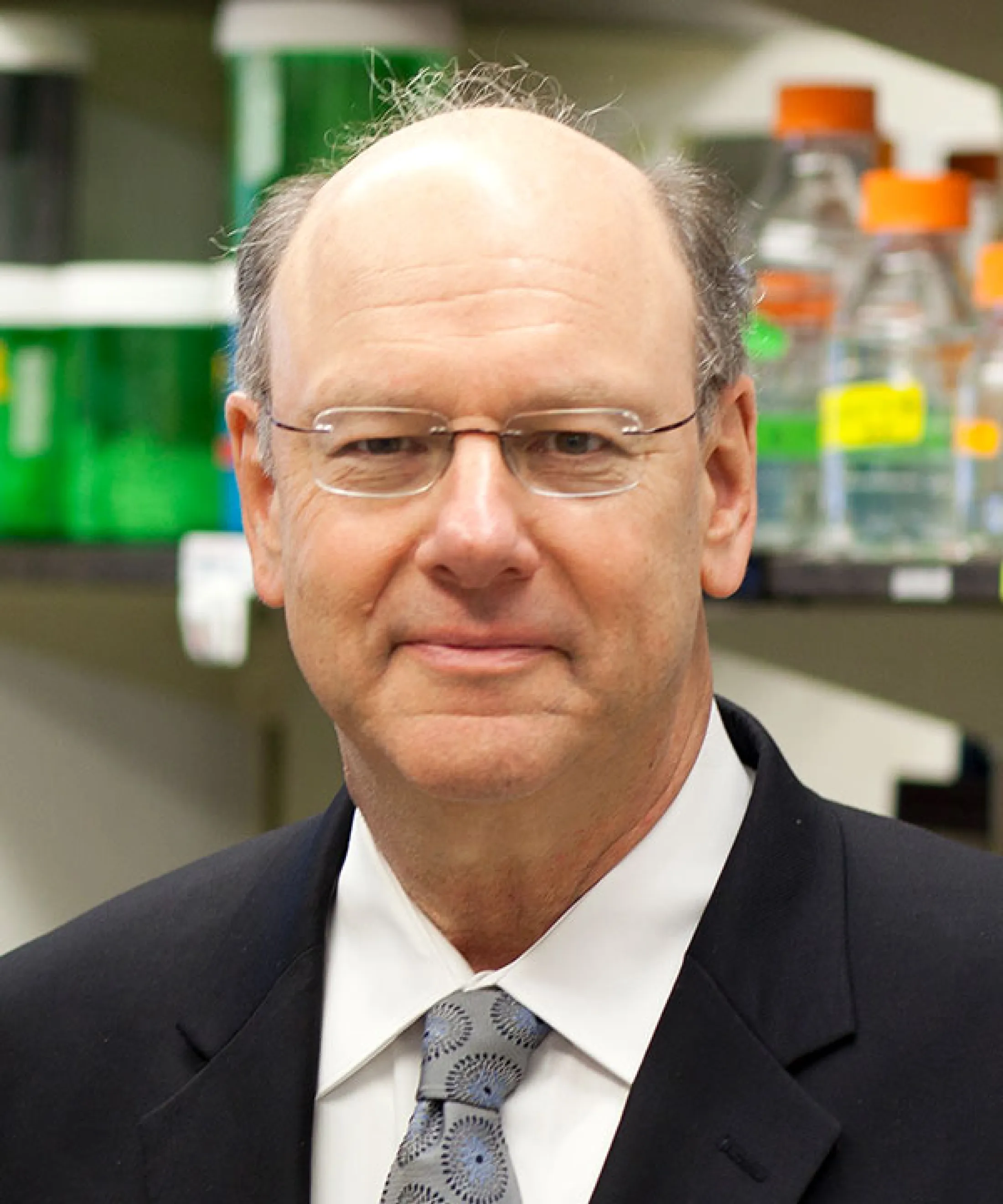
Robert Singer
RNA trafficking
Video could not be played
Video could not be played
Ulrich Steidl
Transcriptional dysregulation of pre-leukemic cell states and their therapeutic targeting.
Video could not be played
Kristy Stengel
Deregulated gene expression is a hallmark of cancer. Our goal is to understand how recurrent alterations in transcription factor proteins (e.g. mutation, translocation) disrupt normal gene expression networks to trigger cancer development.
Video could not be played
Britta Will
Mechanisms of stem cell aging and transformation.

Video could not be played
B. Hilda Ye
Transcription regulation and cell signaling events that govern lymphocyte differentiation and lymphoma development.