

Video could not be played
Cell Biology Faculty & Staff Awards
The Department of Cell Biology at Albert Einstein College of Medicine is proud to share the prestigious awards and honors earned by our faculty and staff in recognition of basic and translational research contributions to the field of cell biology.
2026 Awards
Video could not be played
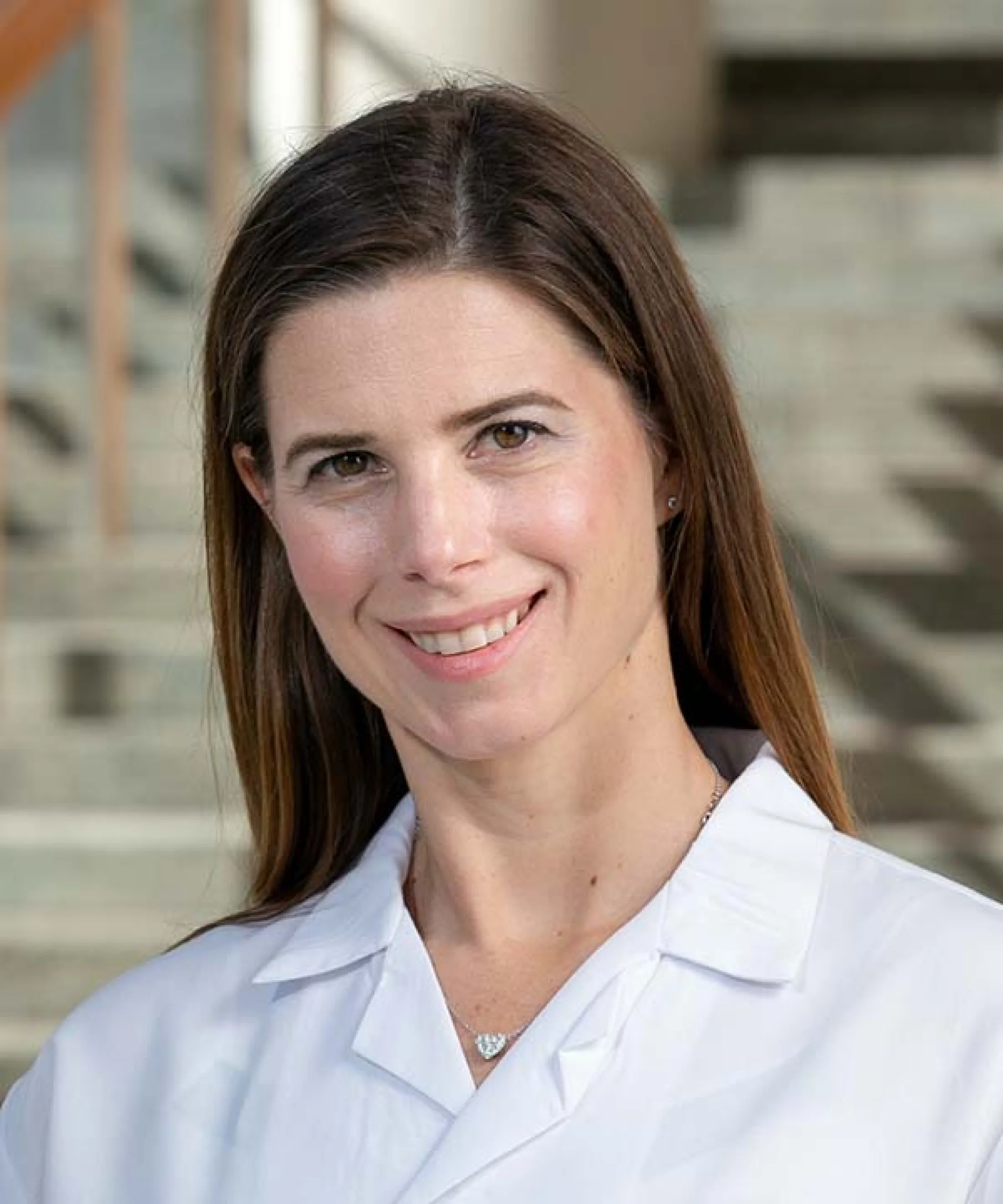
Celebrate Faculty Promotion
The Department of Cell Biology is celebrating the promotion of Dr. Kristy Stengel to Associate Professor! This highly deserved recognition reflects her outstanding expertise, academic accomplishments, and significant contributions to the core missions of our medical school.
Dr. Stengel earned her Bachelor of Science in Biology and her PhD from the University of Cincinnati before completing her postdoctoral training in Dr. Scott Hiebert’s group at Vanderbilt University. In September 2021, she was recruited by the MECCC and joined the Cell Biology faculty as an assistant professor. Her NIH-funded research utilizes cutting edge chemical-genetic tools to rapidly degrade transcription factors, allowing her team to capture immediate changes in chromatin states, genomic occupancy, and network rewiring. This high-kinetic approach resolves key mechanisms of transcriptional cooperation, enhancer-promoter dynamics, and the oncogenic reprogramming of the cancer cell genome.

Video could not be played
Dr. Satish Nandakumar Receives Two NIH R01 Grants to Study Inherited Risk for Blood Disorders
Satish Nandakumar, MBBS, PhD., assistant professor in the Department of Cell Biology, received his first two R01 grants from the National Institutes of Health to investigate how inherited genetic variation influences clonal blood disorders. The National Cancer Institute–supported project will examine how inherited variants promote the expansion of hematopoietic stem cells carrying the JAK2V617F mutation, a major driver of myeloproliferative neoplasms. The National Heart, Lung, and Blood Institute–supported project will investigate inherited predisposition to clonal hematopoiesis, a premalignant condition associated with blood cancer. Using variant-to-function approaches, Dr. Nandakumar and his team will determine how noncoding variants regulate target genes and alter the growth of mutant hematopoietic stem cells. Together, these studies aim to uncover new opportunities to prevent or delay blood cancer development. Congratulations, Dr. Nandakumar!

Video could not be played
Richard N. Kitsis, M.D., to Receive the 2026 American Heart Association Distinguished Scientist Award
Richard N. Kitsis, M.D., professor of medicine and of cell biology, the Dr. Gerald and Myra Dorros Chair in Cardiovascular Disease, and director of the Wilf Family Cardiovascular Research Institute at Albert Einstein College of Medicine, will receive the American Heart Association (AHA) Distinguished Scientist Award on November 7 at the association's Scientific Sessions in Chicago. The award is the AHA's highest scientific honor and recognizes individuals who have made extraordinary contributions to cardiovascular disease and stroke research. Since the award was established in 2003, only 165 scientists—including 14 Nobel laureates—have received this distinction.
The AHA selected Dr. Kitsis for his pioneering contributions to the understanding of basic mechanisms of cell death and their role in myocardial infarction (heart attack). His work demonstrated that most heart muscle damage during myocardial infarction is caused by regulated cell death programs (pathways that drive cell suicide). The amount of early damage to the heart muscle is a major determinant of whether a patient will go on to develop lethal heart failure. Dr. Kitsis delineated interconnections among these cell death processes, identifying molecules that can be targeted with drugs to reduce heart damage during a heart attack.
Dr. Kitsis joined the Einstein faculty in 1991 and formerly served as chief of cardiology at Montefiore Einstein. He is also a member of the Montefiore Einstein Comprehensive Cancer Center and of the New York Regional Diabetes Research Center.
Video could not be played
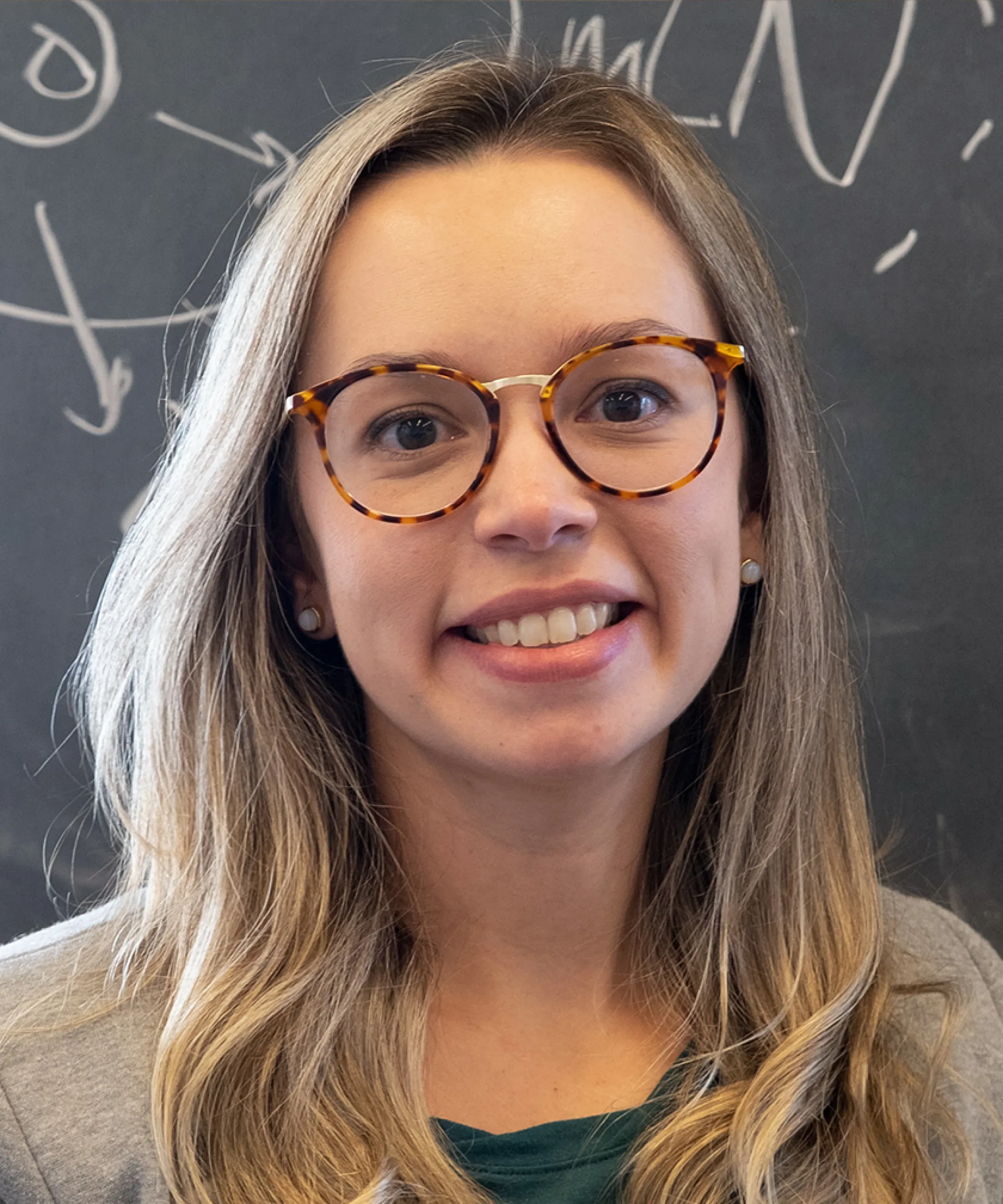
Dr. Maria Cecilia Campos Receive the Searle Scholars Award
The Searle Scholars Program is a highly competitive national award that supports exceptional early-career faculty pursuing innovative, high-risk research in the biomedical sciences and chemistry. Each year, a limited number of investigators are selected from institutions across the United States based on their potential to make significant scientific contributions. Established in 1980 through the Searle family, the program provides flexible funding to help outstanding young scientists launch independent research programs and explore bold ideas that may lead to transformative discoveries. The Searle Scholars Program has supported many investigators who have gone on to become leaders in their fields and recipients of major scientific honors."
Video could not be played
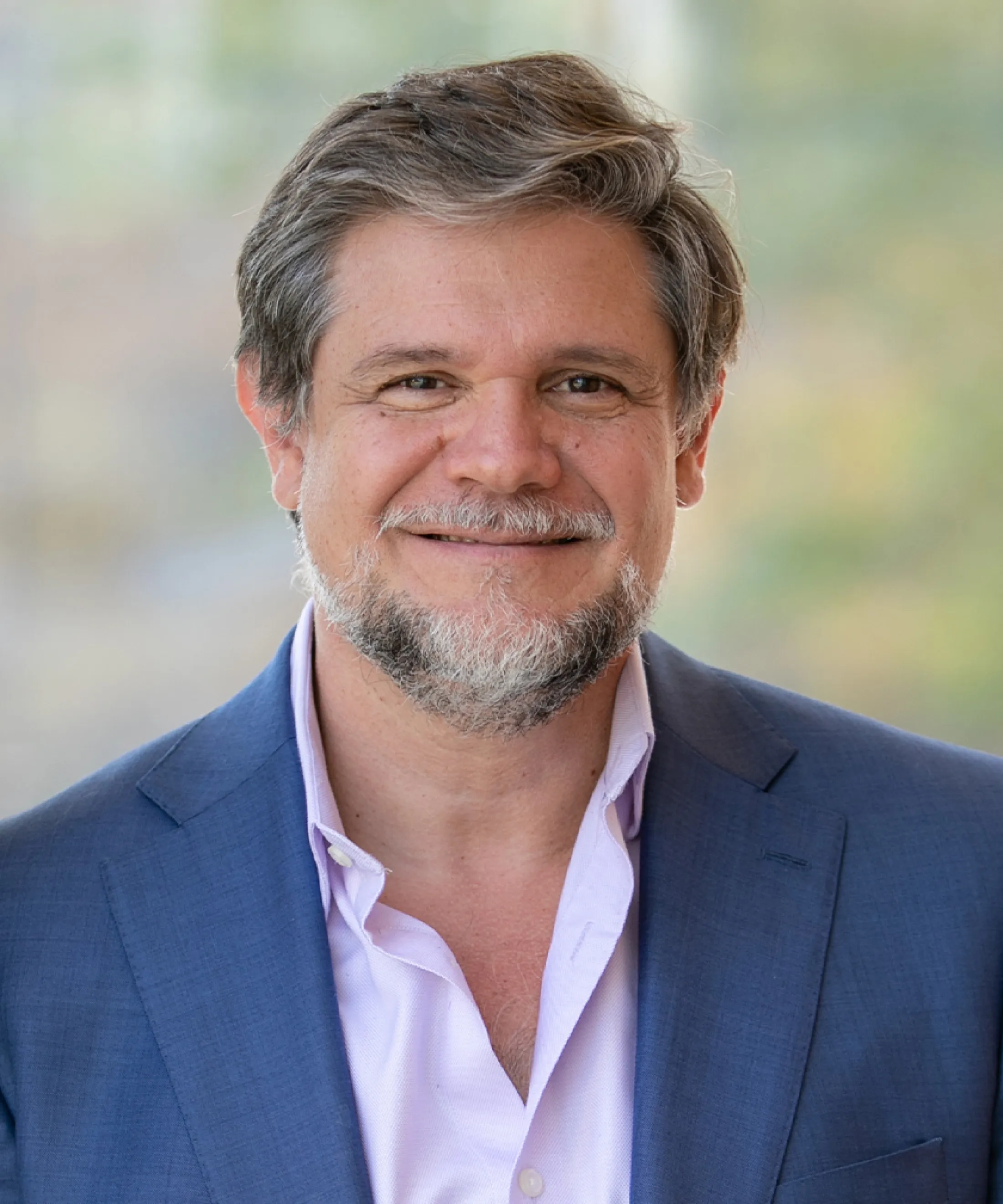
Dr. Julio A. Aguirre-Ghiso Wins 2026 Paget–Ewing Award for Pioneering Work in Cancer Dormancy and Metastasis
Dr. Aguirre-Ghiso has received the Paget-Ewing Award, the highest honor from the Metastasis Research Society, for his pioneering work in cancer dormancy. Over a 20-year career, his research has transformed dormancy from an obscure concept into a central hallmark of cancer progression, shaping how scientists worldwide study and treat metastasis—the leading cause of cancer mortality.
A prominent leader in the cancer research community, Dr. Aguirre-Ghiso previously served as President of the Metastasis Research Society (2020-2022) and held multiple leadership roles at the American Association for Cancer Research. Named after metastasis research pioneers Sir Stephen Paget and Dr. James Ewing, this prestigious award recognizes his scientific excellence. His groundbreaking research is now reaching clinical trials, bringing new hope and lifesaving treatment potential to patients in remission.
Video could not be played
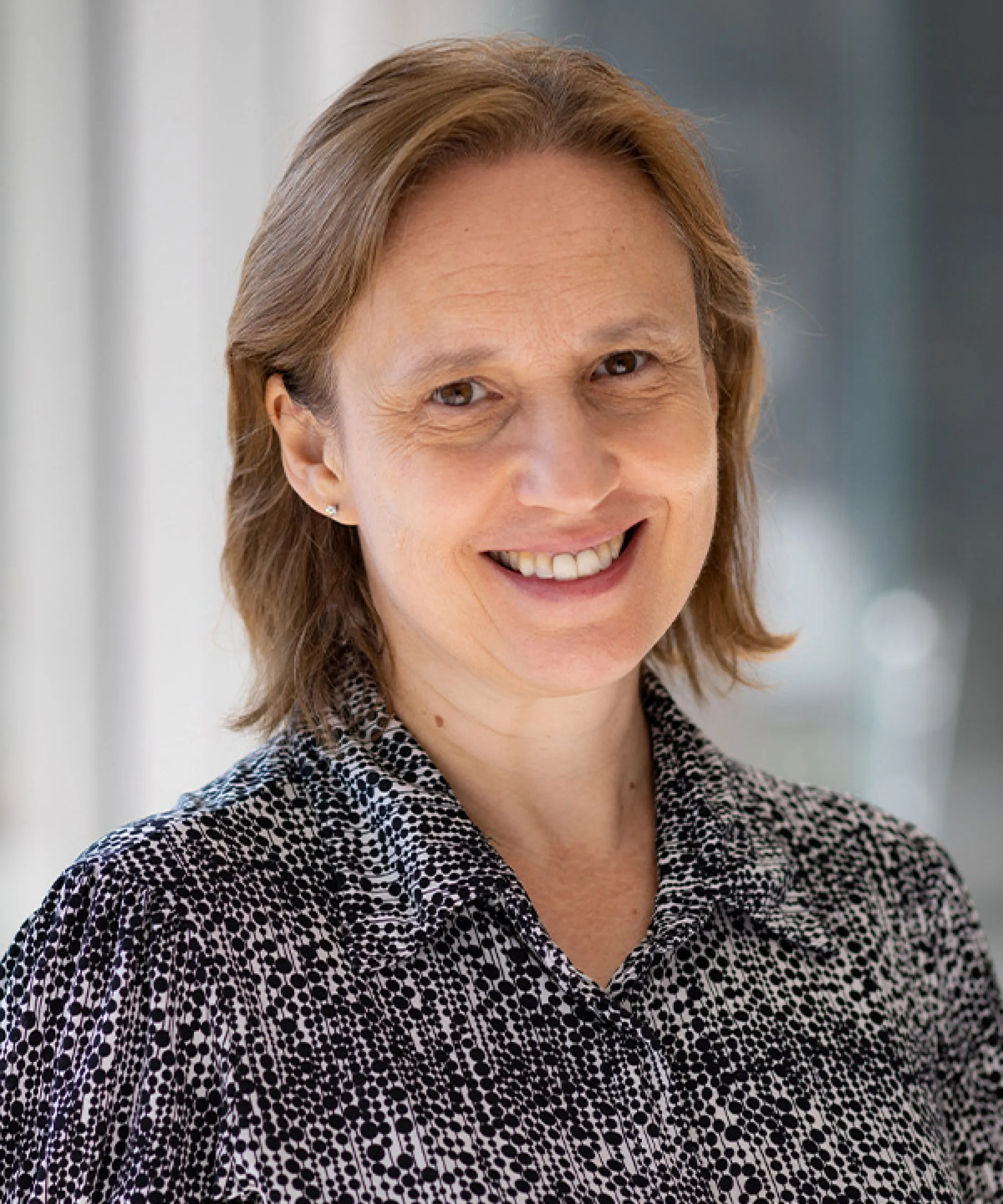
Marina Konopleva, M.D., Ph.D., Receives American Society of Hematology’s Ernest Beutler Lecture and Prize
Marina Konopleva, M.D., Ph.D., director of the leukemia program and co-director of the Translational Blood Cancer Institute at Montefiore Einstein Comprehensive Cancer Center, has been selected to receive the 2026 Ernest Beutler Lecture and Prize in clinical science from the American Society of Hematology (ASH), one of the field’s highest honors. Named for former ASH president Ernest Beutler, M.D., the award recognizes landmark scientific discoveries that have advanced the understanding and treatment of blood diseases. Each year, the prize honors one investigator for achievements in basic science and another for advances in clinical or translational research that have transformed care for people with hematologic diseases.
Dr. Konopleva, professor of oncology and of cell biology at Albert Einstein College of Medicine, will be honored for her pioneering research on BCL2 and BCLXL, proteins that help leukemia cells evade their natural death signals. Her work has helped transform the treatment of leukemia by identifying new ways to target these proteins, making cancer cells more vulnerable to treatment. She has also uncovered why some people develop resistance to BCL2-targeted therapies and identified novel treatment combinations to overcome that resistance. A physician-scientist, Dr. Konopleva has led multiple translational research programs that have helped move promising therapies from the laboratory to clinical trials, improving treatment outcomes those with with acute myeloid leukemia and other blood cancers.
Dr. Konopleva will deliver the Ernest Beutler Lecture, Harnessing the Apoptotic Machinery for Highly Effective Antileukemic Therapeutics, at the 2026 ASH Annual Meeting in December in New Orleans. This year's basic science recipient is Suzanne Cory, Ph.D., of the Walter and Eliza Hall Institute of Medical Research in Melbourne, Australia. Although recognized for independent discoveries, Drs. Konopleva and Cory were honored for complementary scientific contributions that helped lay the scientific foundation for use of venetoclax, the first BCL2 inhibitor approved by the U.S. Food and Drug Administration. Venetoclax is now a key component of standard treatments for chronic lymphocytic leukemia, small lymphocytic lymphoma and acute myeloid leukemia.
Video could not be played
Richard N. Kitsis, M.D., to Receive the Saul R. Korey Prize for Translational Medicine and Science
Richard N. Kitsis, M.D., professor of medicine and of cell biology, The Dr. Gerald and Myra Dorros Chair in Cardiovascular Disease, and director, Wilf Family Cardiovascular Research Institute. The Korey award honors Einstein faculty for excellence in translational research and is named after Dr. Saul Korey, a distinguished neuroscientist, laboratory investigator, and founding chair of the Montefiore Einstein department of neurology. Dr. Kitsis is recognized for pioneering the cardiac cell death field and driving it forward for the last 25 years. In addition to his heart-focused work, he has made important discoveries pertaining to the fundamental biology of cell death.
Video could not be played
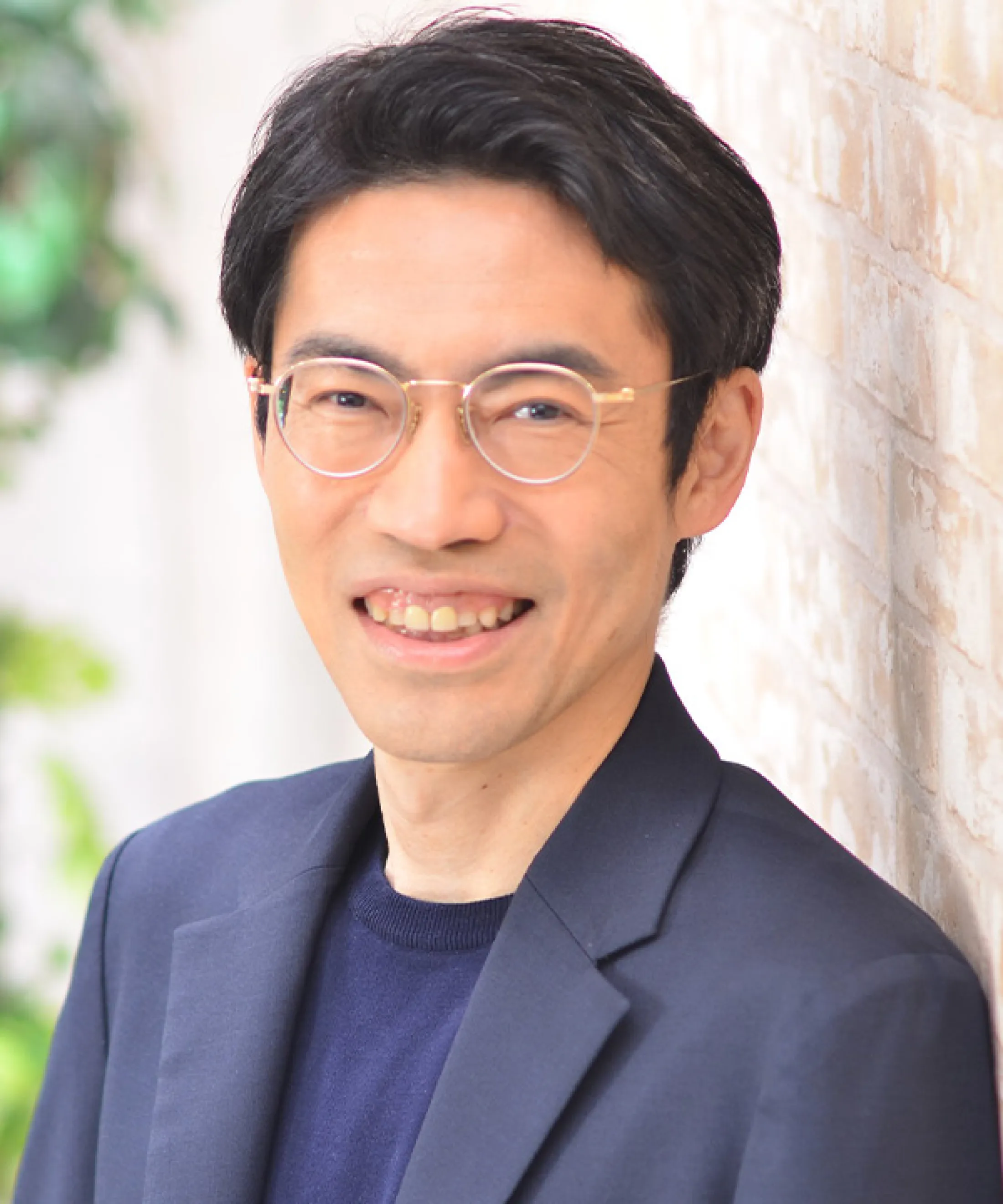
Keisuke Ito, M.D., Ph.D., Named Member of American Society for Clinical Investigation
Keisuke Ito, M.D., Ph.D., professor of cell biology, of medicine, and of oncology, has been elected to the American Society for Clinical Investigation (ASCI). The honor recognizes outstanding scholarly achievement and independent, original contributions to clinical or allied medical sciences, and is awarded to physician-scientists aged 50 or younger. Election to the ASCI is a milestone in a physician-scientist’s career.
Dr. Ito is also director of scientific resources at The Ruth L. and David S. Gottesman Institute for Stem Cell Biology and Regenerative Medicine. His research focuses on elucidating the regulatory mechanisms governing healthy and malignant hematopoietic stem cells, with an emphasis on stem cell fate decisions, metabolism, and epigenetic regulation to advance therapies for hematologic diseases.
Founded in 1908, ASCI is one of the nation’s oldest and most respected medical honor societies, comprising more than 3,000 physician-scientists—including several at Einstein—across all medical specialties.
Video could not be played
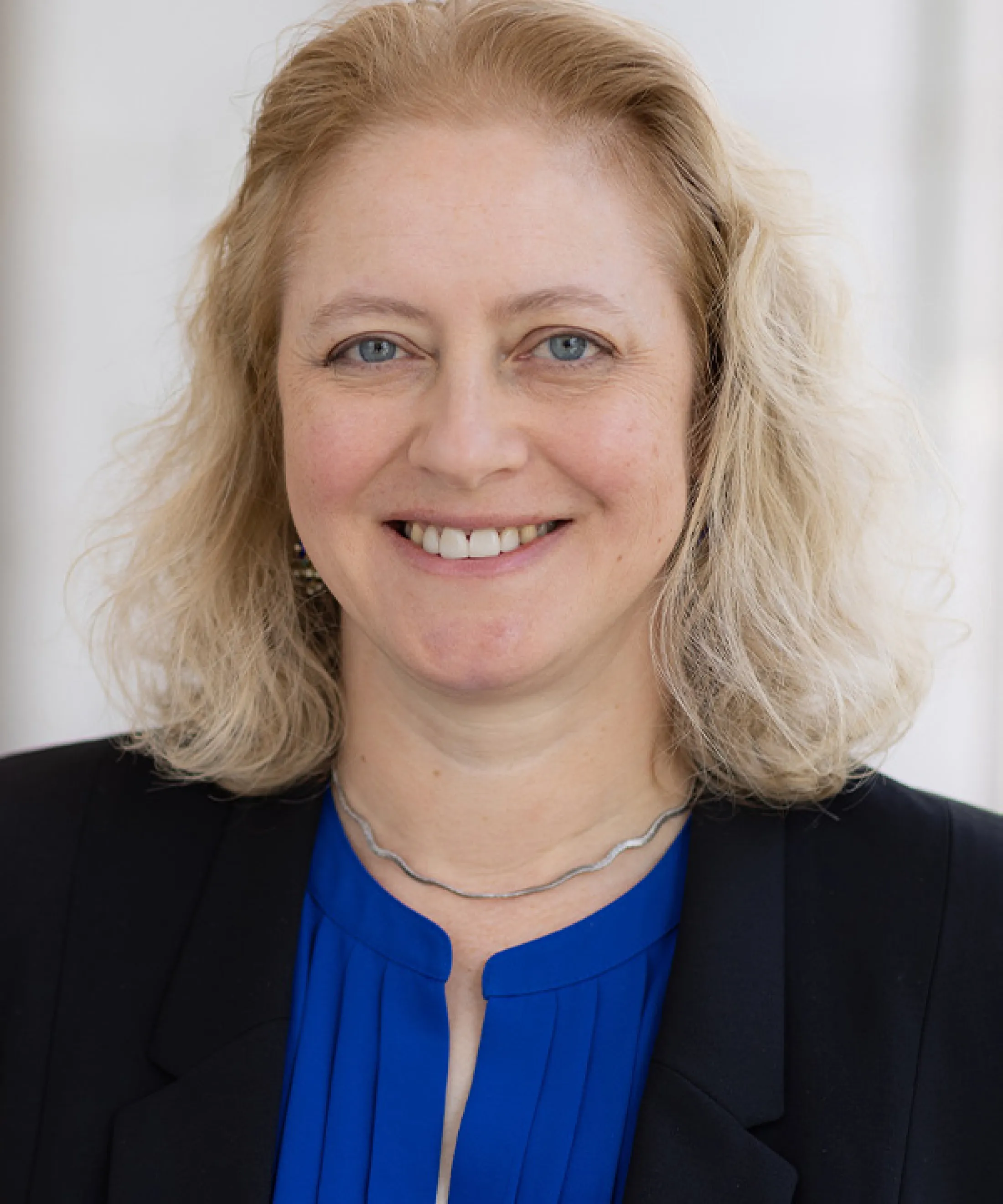
Dr. Kira Gritsman Receives Two Awards to Support Translational Cancer Research
Congratulations Kira Gritsman, M.D., Ph.D., on receiving the V Foundation Translational Cancer Research Award and the Irma T. Hirschl Monique Weill-Caulier Research Award.
Dr. Gritsman received the V Foundation for Cancer Research Translational Cancer Research Grant for her lab’s work on the protein PI3 kinase (PI3K) delta, which is found both in leukemic cells and in T cells. Waking up the immune system to kill tumor cells is effective for some types of cancer, but this does not work in acute myeloid leukemia (AML) because leukemic cells can put T cells to sleep. The Gritsman Lab found that when PI3K delta is blocked, this activates T cells in leukemic mice or when they are cultured with patient AML cells. Her lab is testing a new PI3K delta inhibitor that can activate T cells in cancer patients without causing many side effects. They will test whether adding this inhibitor to the leukemia drug venetoclax could kill more leukemic cells than venetoclax alone by activating T cells. If this treatment effective in leukemic mice and in cell culture, then this could lead to a clinical trial to test this drug combination in leukemia patients. https://www.v.org/grants/kira-gritsman-md-phd/
Dr. Gritsman also received the Irma T. Hirschl Monique Weill-Caulier Research Award for her lab’s work on blood stem cells. Blood stem cells reside within the bone marrow, where they generate mature blood cells. Supporting cells within the bone marrow, collectively known as the "niche," including blood vessels, mesenchymal stem cells (MSCs), and bone cells, secrete factors that either protect stem cells to maintain their survival or direct them towards mature fates. By looking at proteins that MSCs make to support blood stem cells in culture, the Gritsman Lab discovered semaphorin 3A (SEM3A) as a novel niche factor. This project will test the hypothesis that SEM3A can protect blood stem cells under stress by exposing SEM3A mutant mice to conditions that mimic bacterial or viral infection to assess their blood cell recovery. Leukemia patients have lower levels of SEMA3A in their plasma. The Gritsman Lab will also determine if SEMA3A can inhibit the growth of leukemic cells and if inactivation of SEMA3A can promote leukemia.
2025 Awards
Cell Biology Faculty Among Recently Named Endowed Professors & Faculty Scholars
We are honored that two assistant professors from the Department of Cell Biology are among the recent endowed chair and faculty scholar appointments named by the Einstein Board of Trustees.
Lindsay LaFave, Ph.D., now holds the Rubenstein Family Early Career Professorship in Environmental Determinants and Disease at Einstein. Dr. LaFave is also an assistant professor of cell biology at Einstein.
Kristy Stengel, Ph.D., now holds the Melissa S. and John V. Ceriale Early Career Professorship. Dr. Stengel is also an assistant professor of cell biology at Einstein.
Senior Administrator Danielle Crane-Puglia Receives Staff Recognition Award
Danielle Crane-Puglia, a senior administrator in the Department of Cell Biology, was honored with a 2025 Einstein Staff Recognition Award. The annual Staff Recognition Ceremony held on November 24, 2025, was a celebration of the people who make Einstein extraordinary. From five to 40 years of service, each honoree represents dedication, passion, and the spirit of our community.
Dr. Ulrich G. Steidl Elected to Association of American Physicians
Ulrich G. Steidl, M.D., Ph.D., professor and chair of cell biology at Albert Einstein College of Medicine and interim director of the National Cancer Institute-designated Montefiore Einstein Comprehensive Cancer Center, has been elected to the Association of American Physicians (AAP), a prestigious 140-year-old honorary society dedicated to advancing medical knowledge through basic and clinical science. According to the AAP, membership selection “is an indication of the pre-eminence and the highest caliber of physician-led science accomplishments and scientific leadership.” Read more about Dr. Steidl’s AAP recognition.
Dr. Ulrich G. Steidl Receives Einstein’s Marshall S. Horwitz Prize for Research Excellence
Ulrich G. Steidl, M.D., Ph.D., won the 14th Annual Marshall S. Horowitz Prize for Research Excellence, which honors Einstein faculty who conduct groundbreaking research in the basic sciences. Learn more about the Marshall S. Horowitz Prize, named after an internationally renowned physician-scientist and former chair of Montefiore Einstein’s Department of Microbiology and Immunology.
Dr. Ulrich G. Steidl & Dr. Teresa V. Bowman Receive International Society for Experimental Hematology Awards
Ulrich G. Steidl, M.D., Ph.D., and Teresa V. Bowman, Ph.D., professor and chair of Montefiore Einstein’s Department of Developmental and Molecular Biology, are recipients of 2025 International Society Link for Experimental Hematology (ISEH) Awards. Dr. Steidl was honored for his outstanding contributions to the field, while Dr. Bowman was recognized for her mentorship of students and fellows. The awards were presented in September at the ISEH 54th Annual Scientific Meeting.
Dr. Satish K. Nandakumar Awarded Henry & Marilyn Taub Foundation Pilot Grant
Assistant Professor of Cell Biology Dr. Satish K. Nandakumar, Ph.D., was awarded a pilot grant of $100,000 from the Henry and Marilyn Taub Foundation for his studies on the role of antigen presentation in clonal expansion of blood forming stem cells in myelodysplastic syndromes (MDS). This study will explore a novel mechanism based on clues from human genetic studies on clonal hematopoiesis, a precursor state that often precedes MDS. Professor of Microbiology and Immunology Gregoire Lauvau, Ph.D., is a co-investigator in this project.
Dr. Lindsay M. LaFave Wins Lung Cancer Research Foundation Grant & William C. Rippe Award
Lindsay M. LaFave, Ph.D., has been awarded a Lung Cancer Research Foundation (LCRF) grant to investigate how chromatin state impacts immunity in lung tumors that arise in individuals with and without a smoking history. This research aims to identify the key chromatin regulators that impact immunity in smokers and those who have never smoked, providing insight to improve treatment approaches for lung cancer. For her LCRF proposal, Dr. LaFave was also awarded the prestigious William C. Rippe award for Distinguished Research in Lung Cancer. This award is given to the investigator “whose proposal not only demonstrated exceptional scientific merit but also exemplified an enduring commitment to making an impact in the field of lung cancer research.”
Dr. Julio A. Aguirre-Ghiso Presented with Cancer Warrior Award from University of Colorado Cancer Center
Julio A. Aguirre-Ghiso, Ph.D., the Rose C. Falkenstein Chair in Cancer Research and a professor of cell biology, oncology, and medicine, was recognized by the University of Colorado Cancer Center. During a visit to its Anschutz Medical Campus to deliver a seminar called "Mechanisms of Cancer Dormancy and Reactivation," Dr. Aguirre-Ghiso was awarded a “Cancer Warrior Award” in recognition for “his outstanding contributions and achievements in cancer research and for his devotion to training future cancer warriors.” The award was delivered by James DeGregori, Ph.D., deputy director of the UC Cancer Center and the Courtenay and Lucy Patten Davis Endowed Chair in Lung Cancer Research.
2024 Awards
Dr. Robert A. Coleman Secures Chan Zuckerbeg Initiative Grant
Robert A. Coleman, Ph.D., secured a prestigious Chan Zuckerberg Initiative grant that will fund a team of Einstein researchers that includes Louis Hodgson, Ph.D., in the Department of Molecular Pharmacology and Vladislav Verkhusha, Ph.D., in the Department of Genetics. Led by Dr. Coleman, the Einstein team will be part of an international consortium of research groups that will be examining “Metabolism Across Different Scales.” The Einstein team will develop optogenetic tools and metabolite biosensors that provide new insights into dynamic gene expression mechanisms controlling key cellular events, including circadian rhythm. Congratulations Dr. Coleman!
Dr. Pamela Stanley Receives Distinguished Service Award from Society of Glycobiology
Professor Emerita Pamela Stanley, Ph.D., an editor and senior author of eight chapters in the primary textbook “Essentials of Glycobiology” (EoG), 4th edition, received the Distinguished Service Award from the Society of Glycobiology at its annual meeting on Amelia Island, Florida (November 2024). Given to the group of editors and authors of all four editions of EoG, the award is for service to the scientific community in general, and particularly to the community of glycobiologists, for providing a comprehensive textbook freely available online at NCBI books. All proceeds from sales of the print version of the textbook go to a non-profit established by the editors to support the publication of next editions of the book. Pamela Stanley was recently elected President of the Consortium of Glycobiology Editors.
Dr. Satish K. Nandakumar Awarded Edward P. Evans Foundation Discovery Research Grant
Satish K. Nandakumar, Ph.D., has been awarded the prestigious Edward P. Evans Foundation Discovery Research Grant to support his studies on germline predisposition to clonal hematopoiesis (CH) and its progression to myelodysplastic syndromes (MDS). Over the next three years, his team will utilize multiplex genome editing technologies in human hematopoietic stem cells to test hundreds of germline somatic mutation combinations and identify critical gene interactions that underlie formation of premalignant stem cell clones. The studies will examine how these premalignant clones are transformed into MDS cancer stem cells that stop producing red blood cells, a serious problem for MDS patients. This research could eventually enable the development of new treatments that target CH clones and prevent MDS development.
Dr. Lindsay M. LaFave Wins A Breath of Hope Lung Cancer Foundation Early Career Award
Lindsay M. LaFave, Ph.D., has been awarded a 2024 Peg’s Fight for Life Early Career Award from A Breath of Hope Lung Cancer Foundation to support lung cancer research in her lab. With this grant, Dr. LaFave and her team will investigate differences in immunotherapy responses in KRAS and EGFR mutant lung tumors using genetically engineered mouse models and patient samples. This study will determine why EGFR mutant lung tumors are less responsive to immunotherapy than KRAS mutant tumors.
Dr. Maria Marianovich Awarded NIH R01 Grant from National Heart, Blood & Lung Institute
Maria Marianovich, Ph.D., an assistant professor in the Department of Cell Biology, won her first R01, a five-year, $3 million grant from the National Heart, Blood, and Lung Institute of the National Institutes of Health to study the effects of aging on hematopoiesis. Using novel genetic models and sophisticated bone marrow imaging methodologies, Dr. Marianovich and her team will investigate how the autonomic nervous system controls components of the hematopoietic stem cell niche in the bone marrow to regulate aging of the blood system. The overall goal of this study is to identify new mechanisms of hematopoietic aging that can be targeted for the development of rejuvenation therapies. Congratulations, Dr. Marianonovich!
Dr. Kristy R. Stengel Receives NIH R01 Grant from National Heart, Blood & Lung Institute
Kristy R. Stengel, Ph.D., assistant professor in the Department of Cell Biology, received her first R01, a four-year award from the National Heart, Lung, and Blood Institute of the National Institutes of Health to use novel strategies of rapid RUNX1 protein degradation to define the kinetic features of RUNX1 activity throughout hematopoietic development. These studies will lead to a better understanding of how RUNX1 alters gene expression networks to drive cell fate decisions. RUNX1 is a critical regulator of gene expression programs driving hematopoietic development. Consistently, germline loss-of-function RUNX1 mutations in people are associated with a familial platelet disorder that predisposes individuals to the development of myeloid malignancy (RUNX1-FPDMM). Therefore, detailed mechanisms of RUNX1-mediated gene regulation will greatly improve our understanding of both blood development and hematopathology.
Dr. Kira Gritsman Elected Member of The American Society for Clinical Investigation
In a remarkable achievement that reflects her outstanding accomplishments as a physician scientist, Kira Gritsman, M.D., Ph.D., co-leader of the Montefiore Einstein Comprehensive Cancer Center Stem Cell & Cancer Biology Research Program and the Betty and Sheldon Feinberg Senior Faculty Scholar in Cancer Research, has been elected as an Active Member of The American Society for Clinical Investigation (ASCI) for the year 2024. This news comes as part of the ASCI’s announcement, where 100 Active and International members were elected to represent academic excellence across 50 different institutions. This recognition underscores Dr. Gritsman’s significant contributions to academic medicine, making her a source of pride for Einstein’s Department of Cell Biology. She officially joined this esteemed group at the ASCI Dinner and New Member Induction Ceremony in Chicago (April 2024). ASCI, established in 1908, is one of the oldest and most respected medical honor societies in the United States. Congratulations, Dr. Gritsman!
2023 Awards
Dr. Richard Kitsis Receives Schottenstein Prize in Cardiovascular Sciences from The Ohio State University
Cell biologist and cardiac researcher Richard N. Kitsis, M.D., has been selected to receive the 2023 Jay and Jeanie Schottenstein Prize in Cardiovascular Sciences of The Ohio State University in recognition of his “extraordinary and sustained contributions” to cardiovascular research. Dr. Kitsis, who is a professor of medicine and of cell biology, the Dr. Gerald and Myra Dorros Chair in Cardiovascular Disease, and director of the Wilf Family Cardiovascular Research Institute at Einstein, received the prize and a $100,000 honorarium at a ceremony at the Ohio State University campus in Columbus, Ohio (November 2023).
Dr. Lindsay LaFave Earns Three Prestigious Awards in Three Months
Since midsummer 2023, Dr. Lindsay M. LaFave, Ph.D. has been honored with a remarkable number of prestigious awards and grants: Montefiore Einstein Comprehensive Cancer Center (MECCC)’s Dempsey Scholar Award, the American Association for Cancer Research Career Development Award in Lung Cancer Research, and the V Foundation's’ 2023 V Scholar Program grant. Dr. LaFave is a member of MECCC’s Stem Cell & Cancer Biology Research Program, and her lab aims to elucidate the mechanisms of lung cancer progression by characterizing cellular diversity and plasticity based on the dynamic changes in the epigenetic landscape. Congratulations, Dr. LaFave, for receiving 3 top awards in a row!
Dr. Kristy R. Stengel Receives RUNX1 Early Career Investigator Grant
Kristy R. Stengel, Ph.D., has received the RUNX1 Early Career Investigator grant, a three-year award designed to fund research leading to the development of therapies for patients with RUNX1-FPD. Loss-of-function and dominant negative germline mutations in RUNX1 cause familial platelet disorder with a predisposition to myeloid malignancy (RUNX1-FPDMM), yet the mechanism by which these mutations alter hematopoiesis and what events cooperate with germline RUNX1 mutation to drive progression to AML remain poorly defined. The funded project will use targeted protein degradation to identify RUNX1 functions relevant to RUNX1-FPD. In particular, the proposed studies aim to define RUNX1 gene expression networks, determine the mechanism of RUNX1-mediated gene regulation at critical targets, and determine the contribution of RUNX1-related DNA damage responses to RUNX1-FPD.
2022 Awards
Dr. Matthew D. Scharff Honored with Tribute Video on 90th Birthday
The Department of Cell Biology was pleased to honor Distinguished University Professor Emeritus Matthew D. Scharff, M.D., with a tribute video celebrating his outstanding career. It features contributions from some of Dr. Scharff’s long-time Einstein colleagues and former trainees. Watch the Dr. Scharff 90th Birthday tribute video.
Dr. Ulrich G. Steidl and Dr. Amit K. Verma Present Montefiore Einstein Presidential Lecture
On June 15, 2022, Ulrich G. Steidl, M.D., Ph.D., and Amit K. Verma, M.B.B.S., longtime collaborators in the field of hematopoietic stem cells, myelodysplastic syndromes, and myeloid leukemias, presented the Montefiore Einstein Presidential Lecture. Established in 2017, this distinguished lecture series celebrates scientific excellence and the full spectrum of biomedical research at Einstein and is normally presented by two faculty members working in the basic science and clinical investigation arena, respectively. Dr. Steidl’s lecture was entitled “Understanding the Molecular and Cellular Pathogenesis of Myeloid Malignancies at the Stem Cell Level,” and Dr. Verma’s lecture was entitled “Therapeutic Targeting of MDS and AML.”
2021 Awards
Dr. Ulrich G. Steidl Receives Outstanding Investigator Award from National Cancer Institute
Ulrich G. Steidl, M.D., Ph.D., received a prestigious, seven-year Outstanding Investigator Award from the National Cancer Institute (NCI) to study the molecular and cellular mechanisms that lead to myelodysplastic syndromes (MDS) and acute myeloid leukemia (AML). Dr. Steidl was one of only 17 recipients of this NCI award in 2021, which is given to accomplished leaders in cancer research who provide significant contributions in their field. The ultimate goal of his research is to develop new treatments and cures for these usually fatal disorders. Dr. Steidl is a co-director of the Blood Cancer Institute and Associate Director of Basic Science at the Montefiore Einstein Comprehensive Cancer Center.
Dr. Britta Will Named Diane & Arthur B. Belfer Scholar in Cancer Research
Britta Will, Ph.D., was named the Diane and Arthur B. Belfer Scholar in Cancer Research, an endowed professorship first established in 1998 by the late long-time Einstein research supporters and Board members Mr. and Mrs. Belfer. It supports innovative basic and translational cancer research, and honors key contributions Dr. Will and her team have been making to help understand and target leukemic stem cells in myeloid malignancies. Congratulations to the Will Lab!
Dr. Britta Will Wins Inaugural Michael Price Seeds of Science Award
Britta Will, Ph.D. associate professor of oncology, medicine, and cell biology, is a winner of the Michael Price Seeds of Science Award in its inaugural year. This award was established by the Price Family Foundation Fund. One of the two grants awarded this year will support Dr. Will and her collaborator, David Loeb, M.D., Ph.D., Chief of Pediatric Hematology-Oncology at the Children's Hospital at Montefiore, in their mechanistic studies of pediatric acute myeloid leukemia. Their planned work will focus on the molecular and physiological role played by chaperone-mediated autophagy, a process that cells use to get rid of damaged or surplus proteins, particularly under stress.
Dr. Robert Singer Honored with Prestigious Lewis S. Rosenstiel Award at Brandeis University
Robert H. Singer, Ph.D., a professor in the Department of Cell Biology and the Dominick P. Purpura Department of Neuroscience, and the Harold and Muriel Block Chair in Anatomy & Structural Biology, won the 51st Lewis S. Rosenstiel Award for Distinguished Work in Basic Medical Research at Brandeis University (April 2021). Dr. Singer was elected for distinguished contributions to the development and application of imaging technologies and insights into the kinetics and spatial distributions of single mRNAs in living cells. Learn more about the Rosenstiel Award and a star-studded list of past awardees and view Dr. Singer’s acceptance talk.