

Video could not be played
Cell Biology, Molecular Biology & Genetics Training Program
The Training Program in Cellular and Molecular Biology and Genetics at Albert Einstein College of Medicine is a T32-funded training program that provides up to two years of funding for Ph.D. and M.D./Ph.D. students conducting research on cell and molecular biology and genetics.
We accept 11 trainees each year for up to two years, and completely cover tuition, fees, and stipends for all accepted candidates with funding from a grant from the National Institute of General Medical Sciences. As one of the oldest interdisciplinary graduate training programs at Einstein, we’ve received continuous funding from the National Institutes of Health for more than 50 years.
With faculty spanning Einstein’s many basic science departments, our emphasis on broad multidisciplinary research increases trainee understanding of biological processes and lays the foundation for advances in disease diagnosis, treatment, and prevention. Our program has graduated more than 80 Ph.D. students, 95% of whom continue in a science-related career.
Mission & Objectives
The Training Program in Cellular and Molecular Biology and Genetics prepares students to perform significant basic science research projects, acquire rigorous scientific background and experimental training, develop and defend a Ph.D. thesis in a timely manner (six or fewer years), and develop into independent scientists who make long-term contributions to the biomedical sciences.
Curriculum & Requirements
Like students in Einstein’s Ph.D. program and M.D./Ph.D. program, our trainees enter Einstein through a single graduate school portal and receive formal training in the responsible conduct of research and teaching.
Graduate students complete three research rotations in the first year and undertake rigorous coursework, including foundational courses in cellular and molecular biology and genetics. You then complete a grant proposal-type qualifying examination based on your Ph.D. research that culminates with an oral presentation to an interdisciplinary faculty committee.
By the end of the training program, all participants must be able to demonstrate the attainment of broad knowledge in biochemistry, cell and molecular biology, genetics and developmental biology, through completion of the following:
- at least two core classes in biochemistry, molecular and cell biology, gene expression, and/or molecular genetics
- thesis research on a topic related to cell biology, molecular biology, and genetics
- the publication of at least one first-author paper (or have submitted at the time of thesis defense)
All candidates interview with the Charles C. Query, M.D., Ph.D., program director. Each year, you participate in an annual review with the internal advisory committee of the Training Program in Cellular and Molecular Biology and Genetics as a condition of your funding.
Program Leaders
Faculty in our program are selected based on research excellence in cell biology, molecular biology, and genetics and commit to mentoring students and providing an outstanding and safe training environment. We assist junior faculty in student mentorship and the supervision of lab activities.
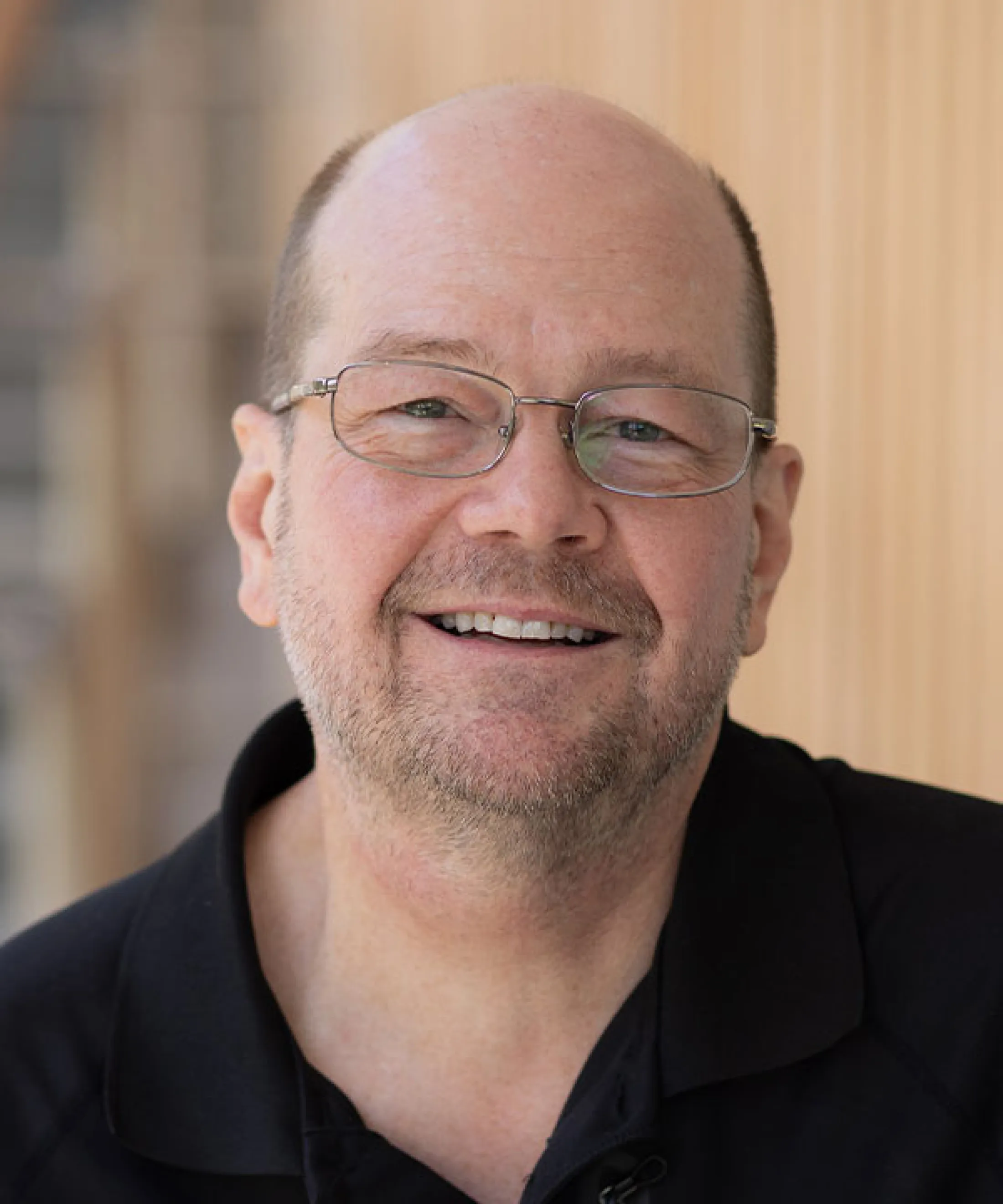
Video could not be played
Charles C Query, M.D., Ph.D.
Director
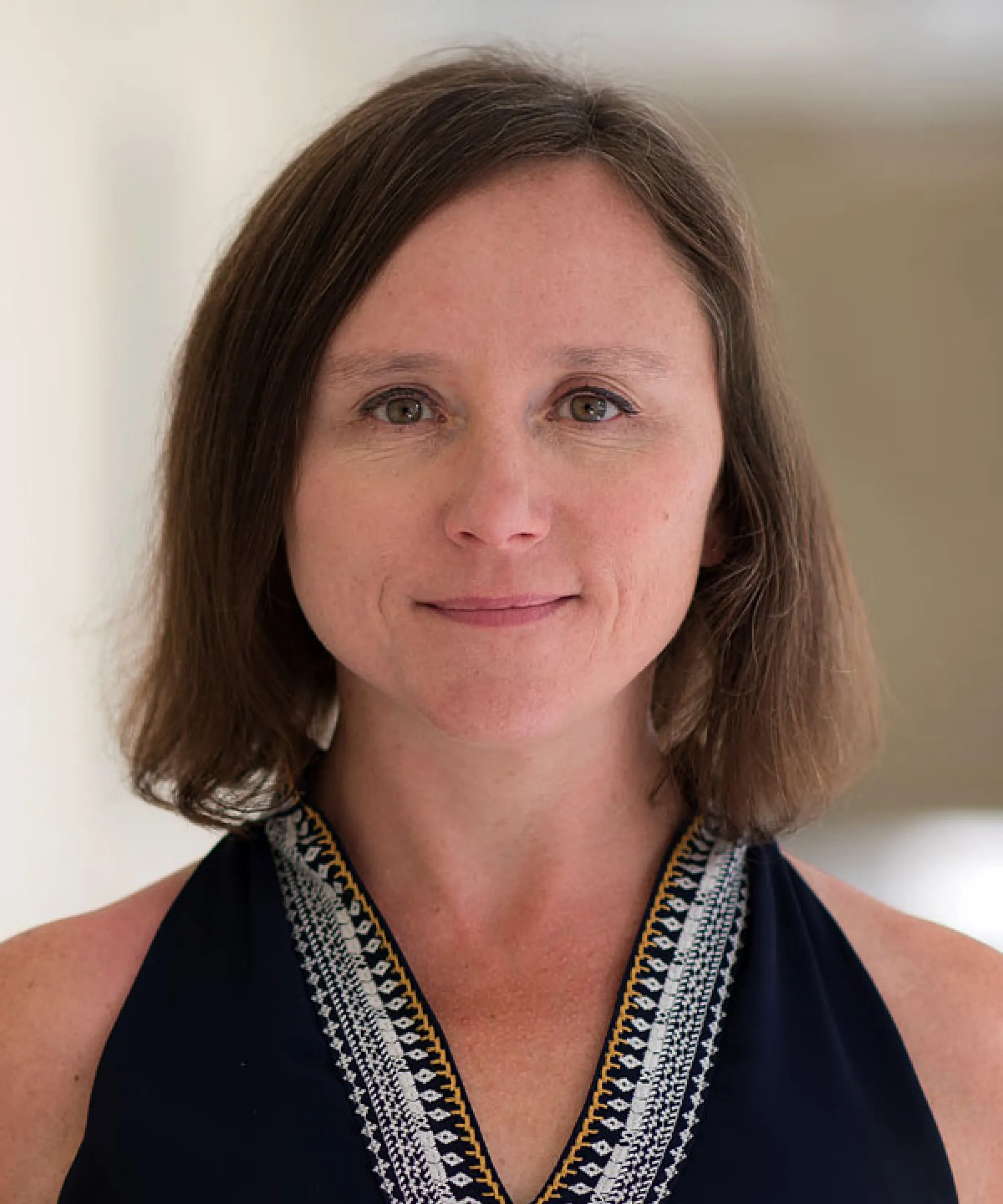
Video could not be played
Teresa V. Bowman, Ph.D.
Associate Director
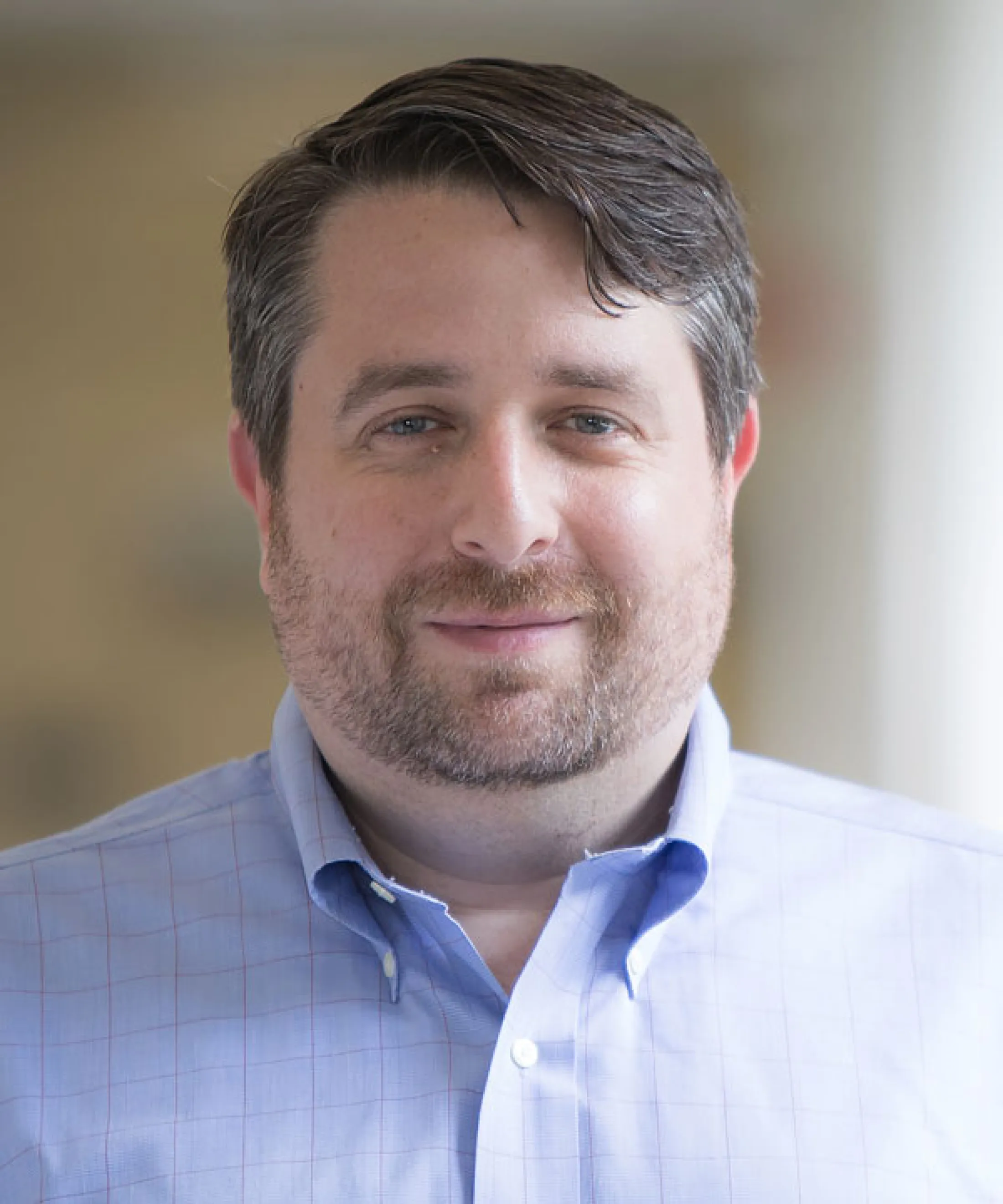
Video could not be played
Matthew J. Gamble, Ph.D.
Associate Director
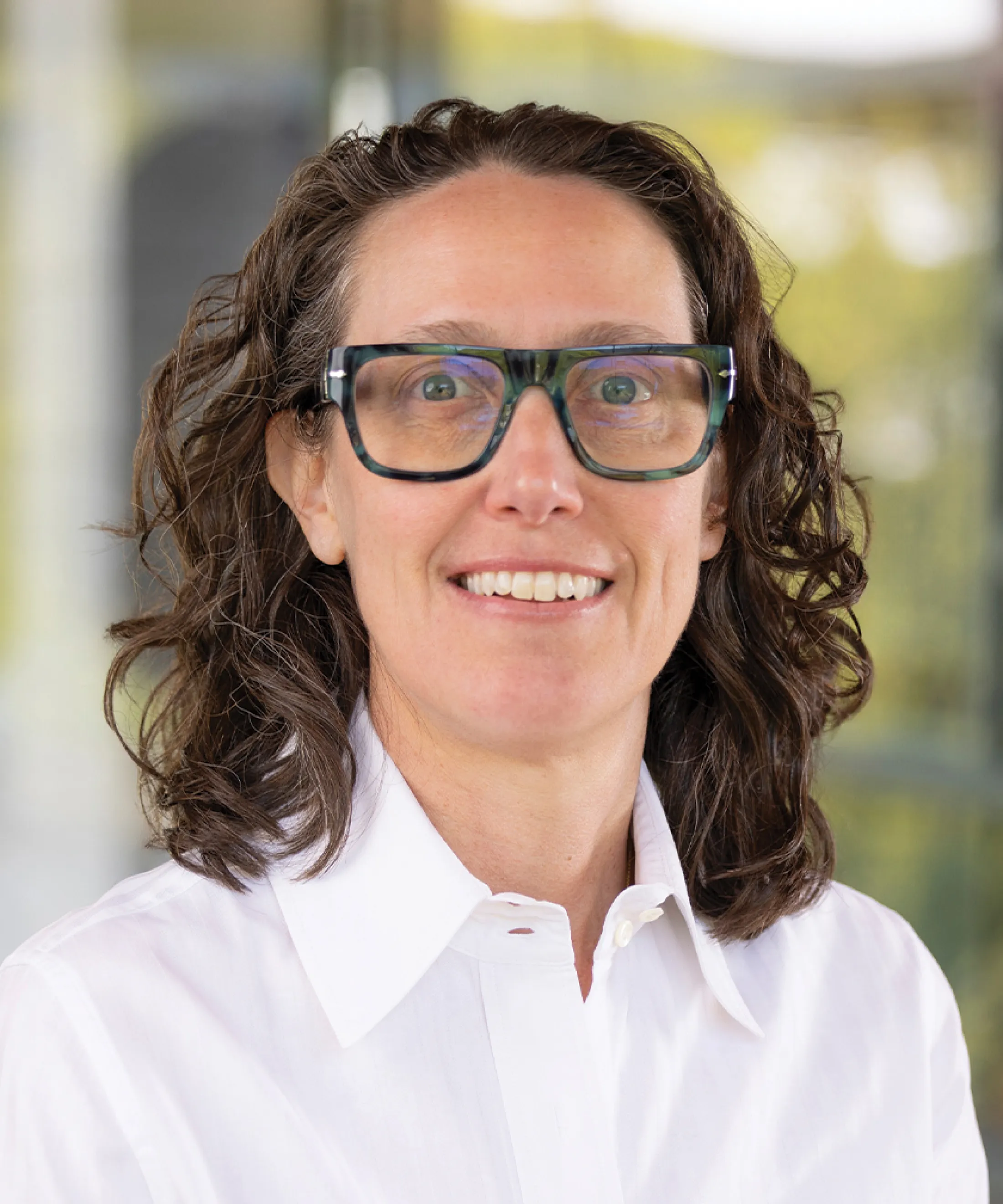
Video could not be played
Julie Secombe, Ph.D.
Associate Director
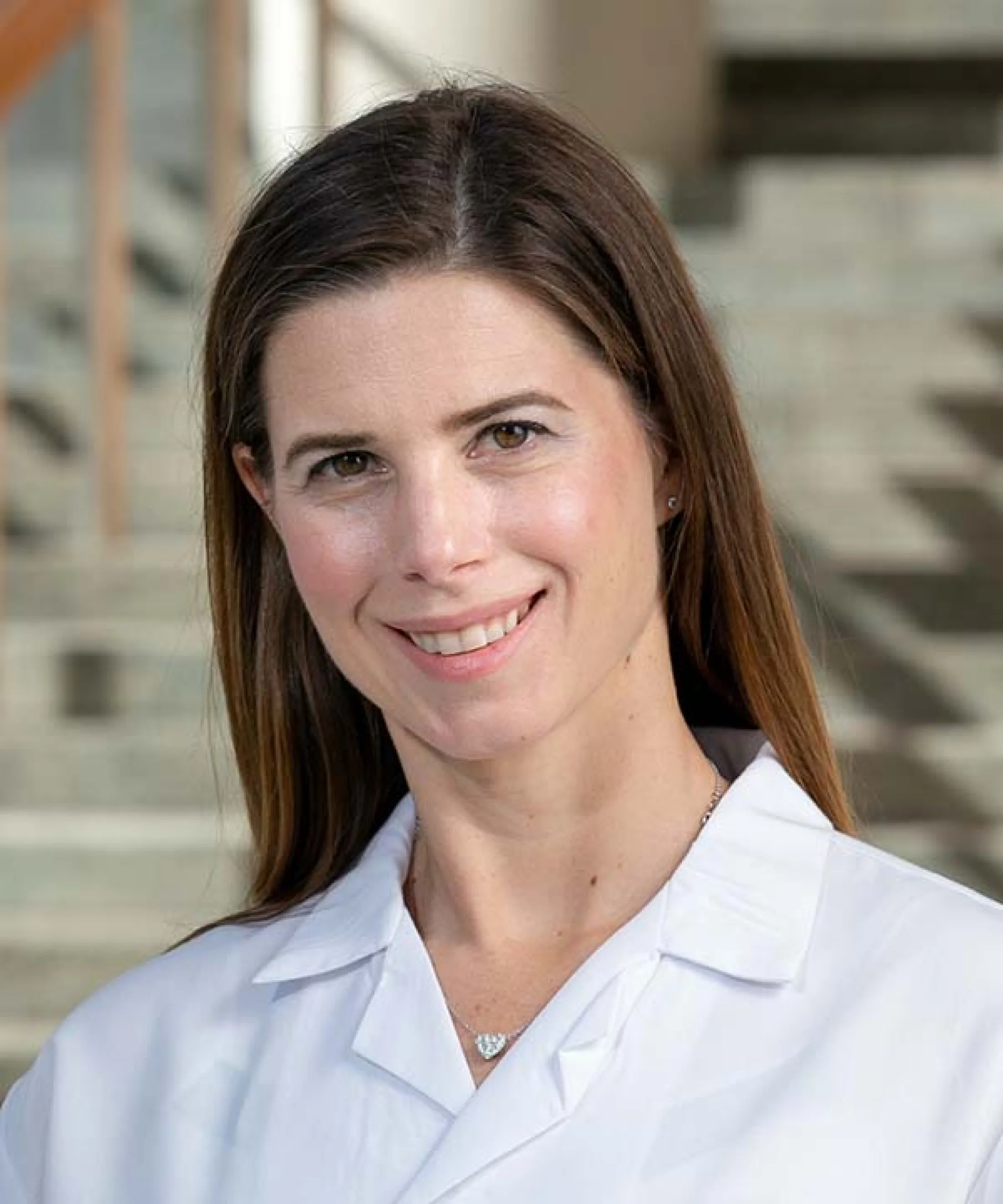
Video could not be played
Kristy R. Stengel, Ph.D.
Associate Director
Internal Advisory Committee
Graduate students are assigned to a member of the internal advisory committee of the Training Program in Cellular and Molecular Biology and Genetics, who provides oversight on your progress. This process ensures a vibrant, highly interactive community of faculty and students, who are involved in answering key basic science questions relevant to human health.
Internal advisory committee members represent various departments at Albert Einstein College of Medicine, including biochemistry; cell biology; developmental and molecular biology; genetics, molecular pharmacology; systems and computional biology; neuroscience; and stem cell research and regenerative medicine.
Program Activities
Beyond formal courses, trainees in cellular and molecular biology and genetics have opportunities to present research proposals and findings, gain exposure to current research and network with broader groups of scientists during the following events and activities:
- the Cellular and Molecular Biology and Genetics Works-in-Progress series
- national and international research conferences in a related field of study
- the Julius Marmur Symposium, which highlights graduate student research at Einstein
- the Cell Biology Retreat
Trainees also have opportunities to perform community outreach through participation in the Montefiore Einstein Comprehensive Care Center BEYOND ALBERT Research Program and host an annual student-invited exceptional seminar speaker.
Past speakers have included the 2013 Nobel Laureate in Physiology or Medicine Randy Schekman, Ph.D., of UC Berkely and the Howard Hughes Medical Institute (2012); Dr. Craig B. Thompson, M.D., of Memorial Sloan Kettering Cancer Center (2019); Wendy Bickmore, Ph.D., of the MRC Human Genetics Unit, University of Edinburgh (2020); and 2017 Nobel Laureate in Physiology or Medicine Michael W. Young, Ph.D., of Rockefeller University (2025).
Application & Selection Process
Each June, the Training Program in Cellular and Molecular Biology and Genetics invites all training grant-eligible students to apply to the program. To be eligible, you must be performing research related to cellular and molecular biology and genetics at an Einstein lab, and be a U.S. citizen or green card holder in good academic standing.
The following application materials are required:
- a title and paragraph describing the proposed thesis project (prepared by the mentor in consultation with the mentee)
- the mentor’s “PHS Other Support” page
- the student’s biosketch/CV
- the mentor’s CMBG biosketch with commitment to mentoring and lab safety
- in the case of co-mentorship, mentors must include a short statement about the nature of the co-mentorship
The Training Program in Cellular and Molecular Biology and Genetics director, associate directors, and internal advisory committee consider each application along with the student's Einstein grades, (including comments from cellular and molecular biology and genetics core course leaders), and the student's Einstein application, including letters of recommendation.
Students who are selected by our program leadership and internal advisory committee start receiving training grant funds beginning July 1.
Contact Us
For more information about Einstein’s Training Program in Cellular and Molecular Biology and Genetics, please contact Dr. Charles Query, program director, at charles.query@einsteinmed.edu.