American Society of Hematology Meeting
The Montefiore Einstein Department of Cell Biology represented Albert Einstein College of Medicine at the American Society of Hematology (ASH) Annual Meeting and Exposition, held in San Diego, CA, from December 7-12, 2023. Faculty members, postdoctoral fellows, and Ph.D. trainees from the department’s hematology-focused research labs showcased cutting-edge research, exchanged ideas with attendees from other institutions, earned recognition, and contributed significantly to this prestigious event.
The world’s premier event in hematology, ASH provides a platform for experts, researchers, and clinicians to come together, exchange knowledge, and advance the understanding and treatment of blood disorders. The event featured a wide array of sessions, workshops, and presentations covering the latest breakthroughs and innovations in hematology.
Research Presentations
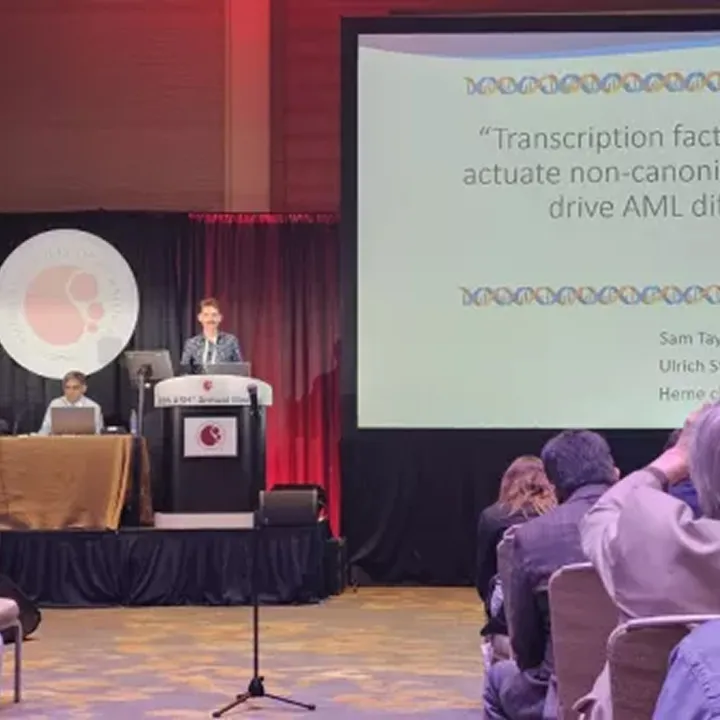
Chosen by the highly selective ASH abstract committee, Samuel Taylor, Ph.D., delivered an oral presentation on his research entitled “Transcription Factor Redistributors Pharmacologically Activate Non-Canonical Gene Networks to Drive AML Differentiation” (Abstract 119). Dr. Taylor also received an ASH Abstract Achievement Award—a highly prestigious honor. After his presentation, he expertly fielded a Q&A discussion on his innovative research identifying a novel therapeutic approach for PU.1-corrupted acute myeloid leukemia. Dr. Taylor is a member of the Steidl Lab.
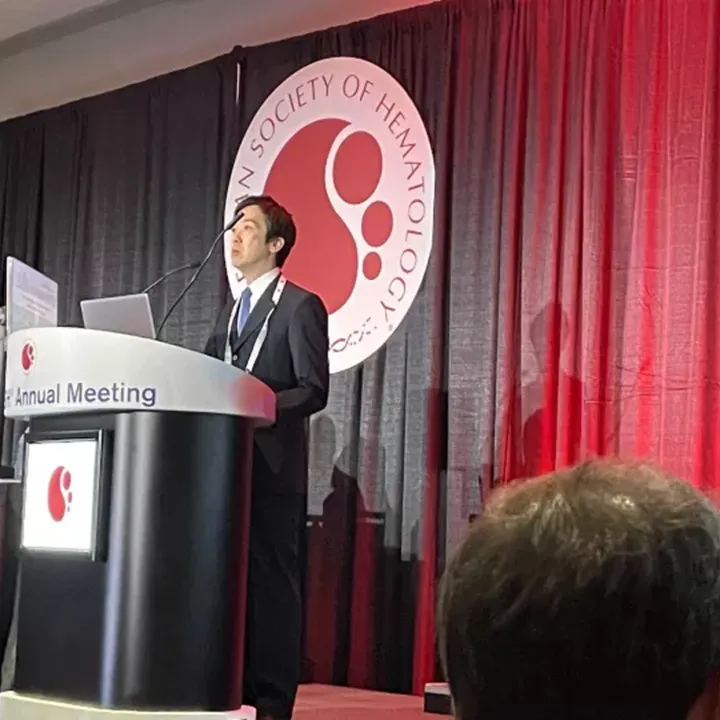
Shoichiro Takeishi, Ph.D., delivered an oral presentation for his project entitled “Hematopoietic Stem Cell Numbers Are Regulated at Both Systemic and Local Levels” (Abstract 511). Dr. Takeishi presented to a packed room of scientists and expertly fielded a Q&A discussion on his novel research on the regulatory mechanisms governing total hematopoietic stem cell numbers. Dr. Takeishi was a member of the late Paul Frenette’s lab, now receiving guidance from Ulrich G. Steidl, M.D., Ph.D., and Kira Gritsman, M.D., Ph.D.
Poster Presentations
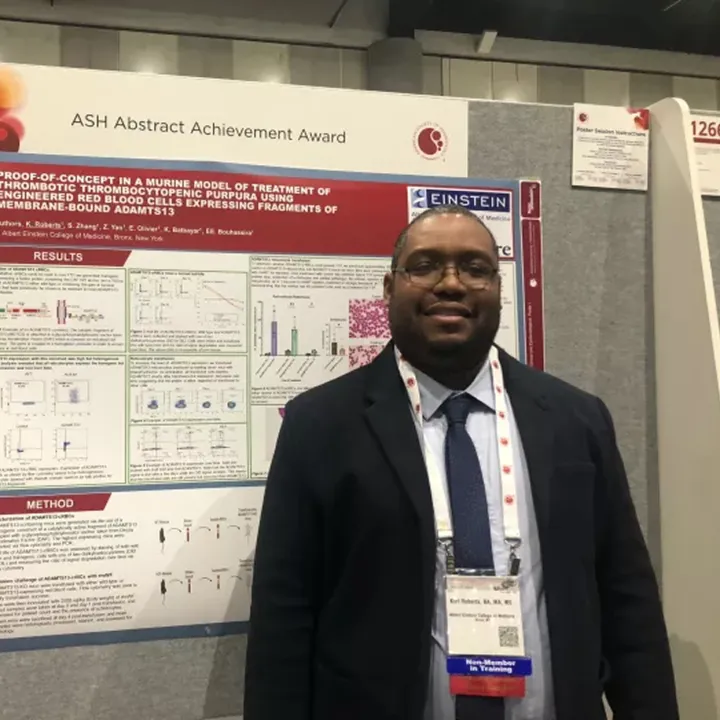
Karl Roberts, Ph.D. candidate, presented his thesis research, entitled “Proof-of-Concept in a Murine Model of Treatment of Thrombotic Thrombocytopenic Purpura Using Engineered Red Blood Cells Expressing Fragments of ADAMTS13 on Their Membrane” (Abstract 1265), as a poster presentation. Mr. Roberts also received the prestigious ASH Abstract Achievement Award. During the two-hour poster session, he presented his findings to various scientists, gaining valuable insights and leads for future collaborations. Mr. Roberts is a member of the Bouhassira Lab.
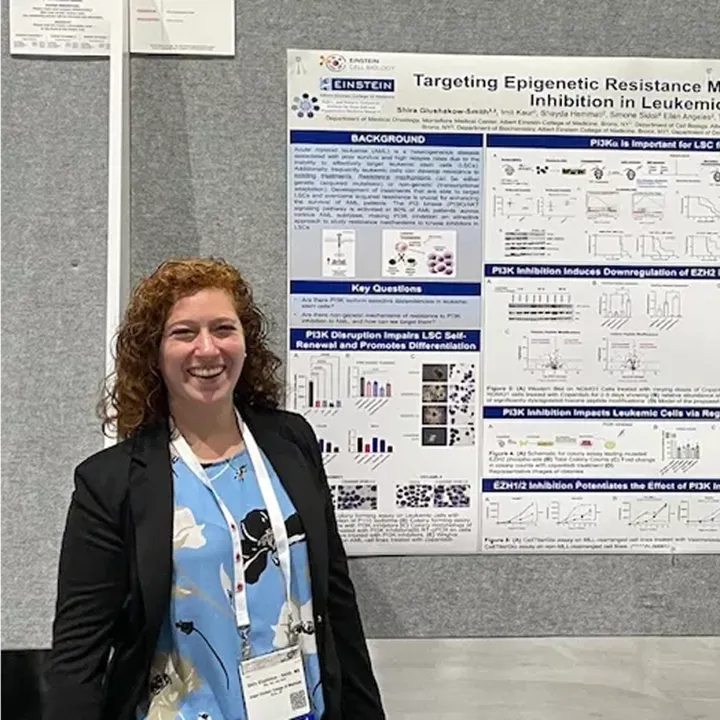
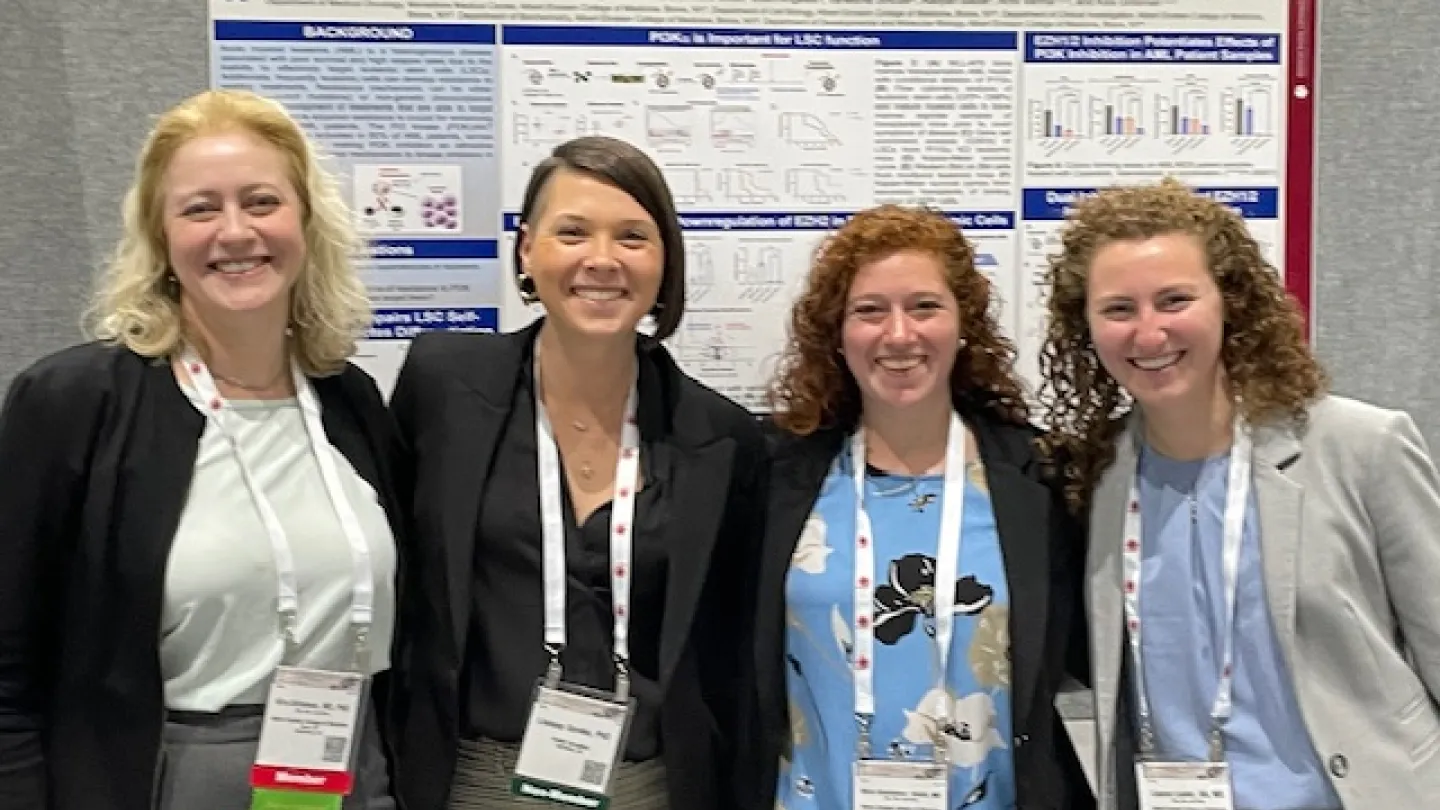
Shira Glushakow-Smith, Ph.D. candidate, presented her thesis research, entitled “Targeting Epigenetic Resistance Mechanisms to PI3 Kinase Inhibition in Leukemic Stem Cells” (Abstract 1426), as a poster presentation. During the two-hour poster session, she discussed her findings with various experts, gained valuable feedback and insights, and explored future collaborations to further her research on combining EZH1/2 dual inhibitors with PI3K inhibitors to eradicate leukemic stem cells. Ms. Glushakow-Smith is a former member of the Gritsman Lab.
Department of Cell Biology Professor Eric Bouhassira, Ph.D., presented his lab’s research, entitled “iPSC-Derived KitD816V/JAK2V617F Double-Mutant Kitjak Cell Lines Allow Inexpensive Large-Scale Production of Enucleated Red Blood Cells in the Absence of SCF and Erythropoietin” (Abstract 2249), during a poster presentation. Dr. Bouhassira’s lab has developed methods to mass-produce cultured red blood cells from hematopoietic stem cells and from pluripotent stem cells. The lab has also conducted foundational research for gene therapy and other therapeutic strategies for the treatment of various hemoglobinopathies.
Department of Cell Biology adjunct professor Nicholas Chiorazzi, M.D., had three poster presentations representing the depth of his lab’s research at the conference: (1) “Investigation into Intraclonal Heterogeneity of CXCR4 Dim CD5 Bright Chronic Lymphocytic Leukemia Cells Identifies Distinct Activation Signatures” (Abstract 3259); (2) “Skewing Towards Effector Memory Cells in CLL Is Associated with IGHV-Mutation Status and IFNγ and IL-4” (Abstract 4625); and (3) “Normal B Cells in MBL Exhibit Distinct Transcriptomes Compared to Those of Healthy Individuals, Although They Differ in Activation State based on IGHV Mutation Status” (Abstract 4632).
Dr. Chiorazzi’s lab, located at the Feinstein Institutes for Medical Research, is primarily focused on understanding the pathogenetic events that drive the development and evolution of chronic lymphocytic leukemia.
Scientific Workshops & Programs
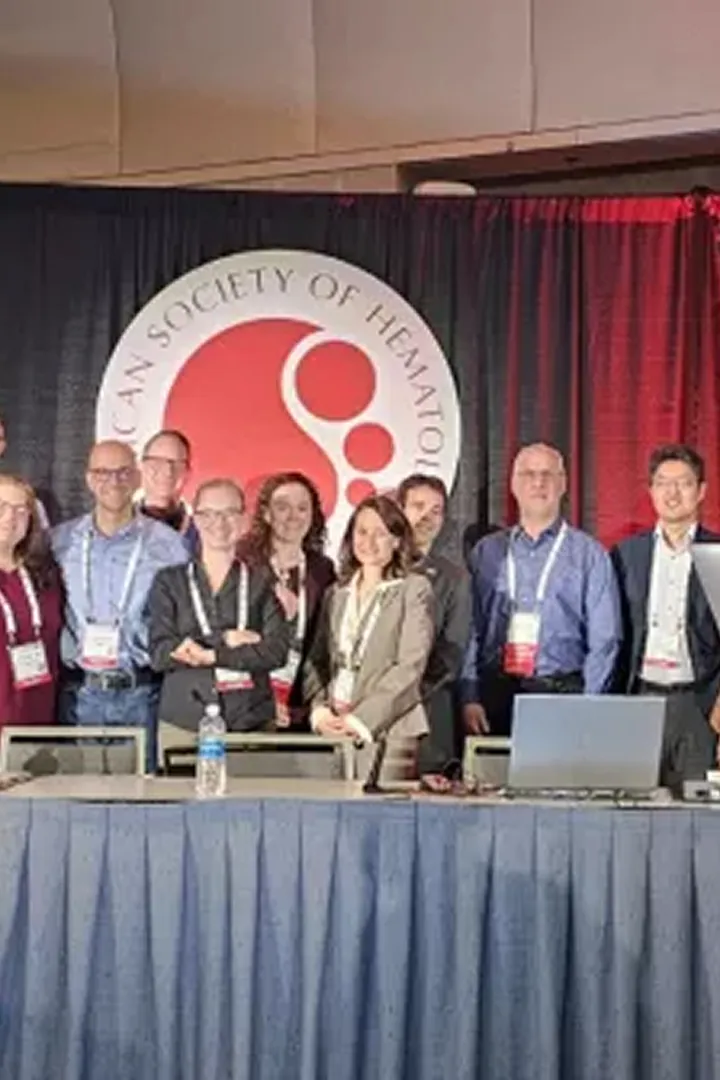
Scientific workshops kick off the ASH Annual Meeting and Exposition. These are interactive discussions on the latest scientific developments in a particular field of hematology. The Department of Cell Biology’s own Ulrich G. Steidl, M.D., Ph.D.; Britta Will, Ph.D.; and Keisuke Ito, M.D., Ph.D., played integral parts in two scientific workshops. Congratulations to all our department members for their remarkable efforts and dedication!
Dr. Steidl served as co-chair and organizer of the Scientific Workshop on Myeloid Development. This workshop, focused primarily on the basic science underlying myeloid cell development and pathophysiology, provided an educational platform for basic and translational scientists alike to review the latest advances in normal and malignant myeloid/stem cell biology. Dr. Steidl played an instrumental role in selecting 16 expert scientists from across the world to cover key advances in stem cell biology; signaling and development; myeloid malignancies; and gene regulation in myeloid differentiation.
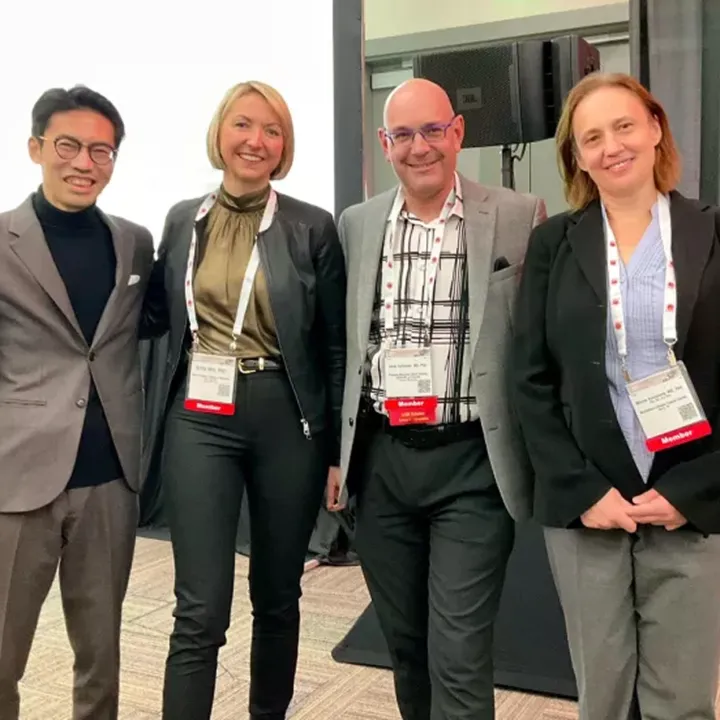
Dr. Will presented her lab’s research findings during the Scientific Workshop on Mitochondria and Metabolism in Blood Cancer—From Worms to Patients. This session brought together translational scientists and clinicians focused on studying mitochondrial stress and metabolic pathways in blood cancers. Dr. Will’s presentation, “Iron Homeostasis Dependent Regulation of Hematopoietic Stem Cell Fate,” was part of the Mitochondrial and Metabolism—Fundamental Discovery and Model Organisms session. Notably, the workshop was organized by co-chair Marina Konopleva, M.D., Ph.D., Professor in the Departments of Oncology and Cell Biology at Einstein. The session featuring Dr. Will’s seminar was moderated by Dr. Ito, professor in the Department of Cell Biology, the Department of Medicine, and the Department of Oncology at Einstein.
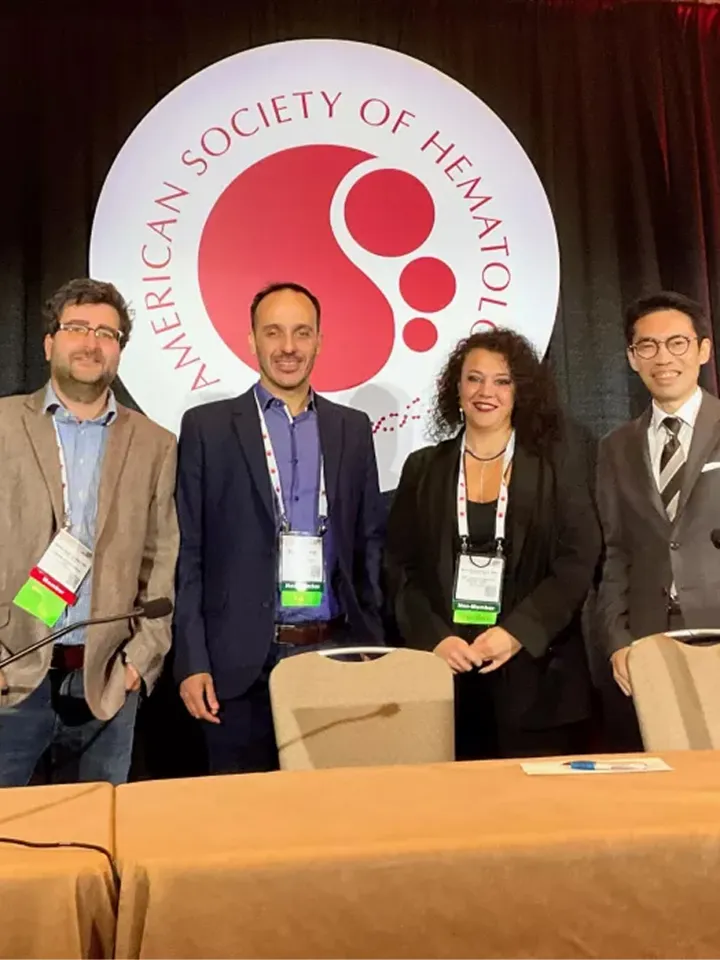
Throughout the conference, various scientific programs advanced research in particular fields. Dr. Keisuke Ito served as chair for Single Cell Omics and High-Resolution Imaging to Unravel the Role of the Niche in Stress and Ageing Hematopoiesis. This session dove deep into the application of newly developed single cell omics technologies to investigate the role of the bone marrow niche during inflammatory, stress, and aging.
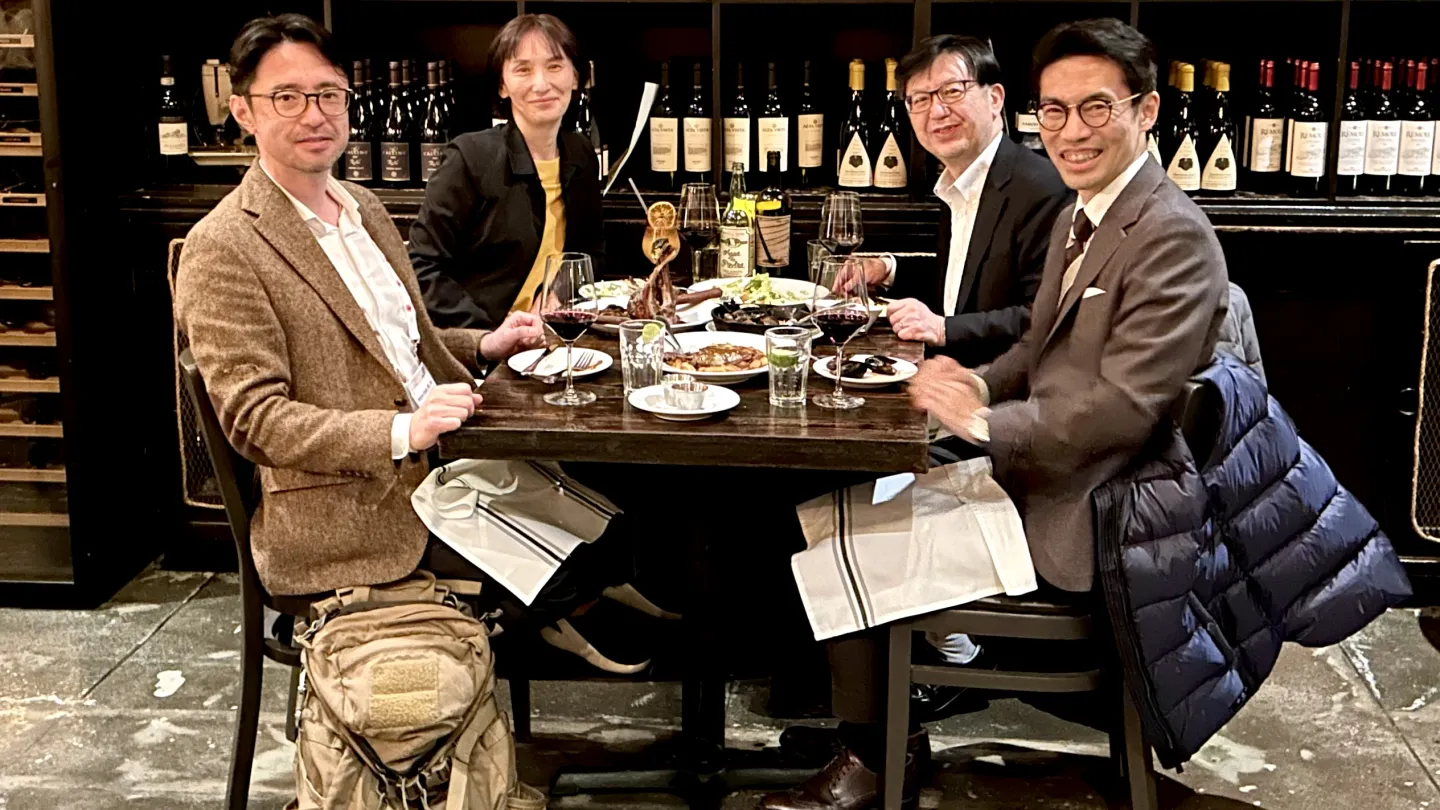
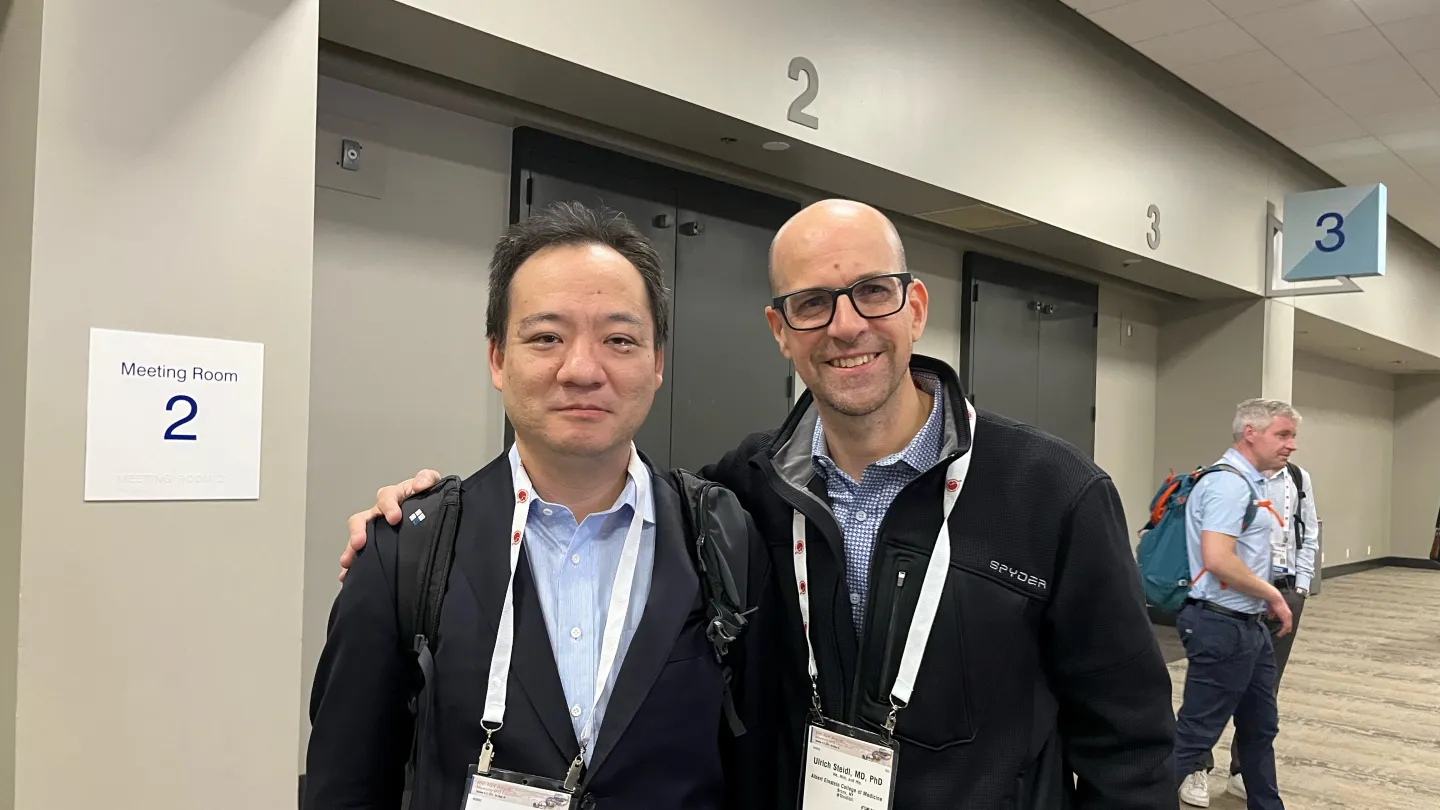
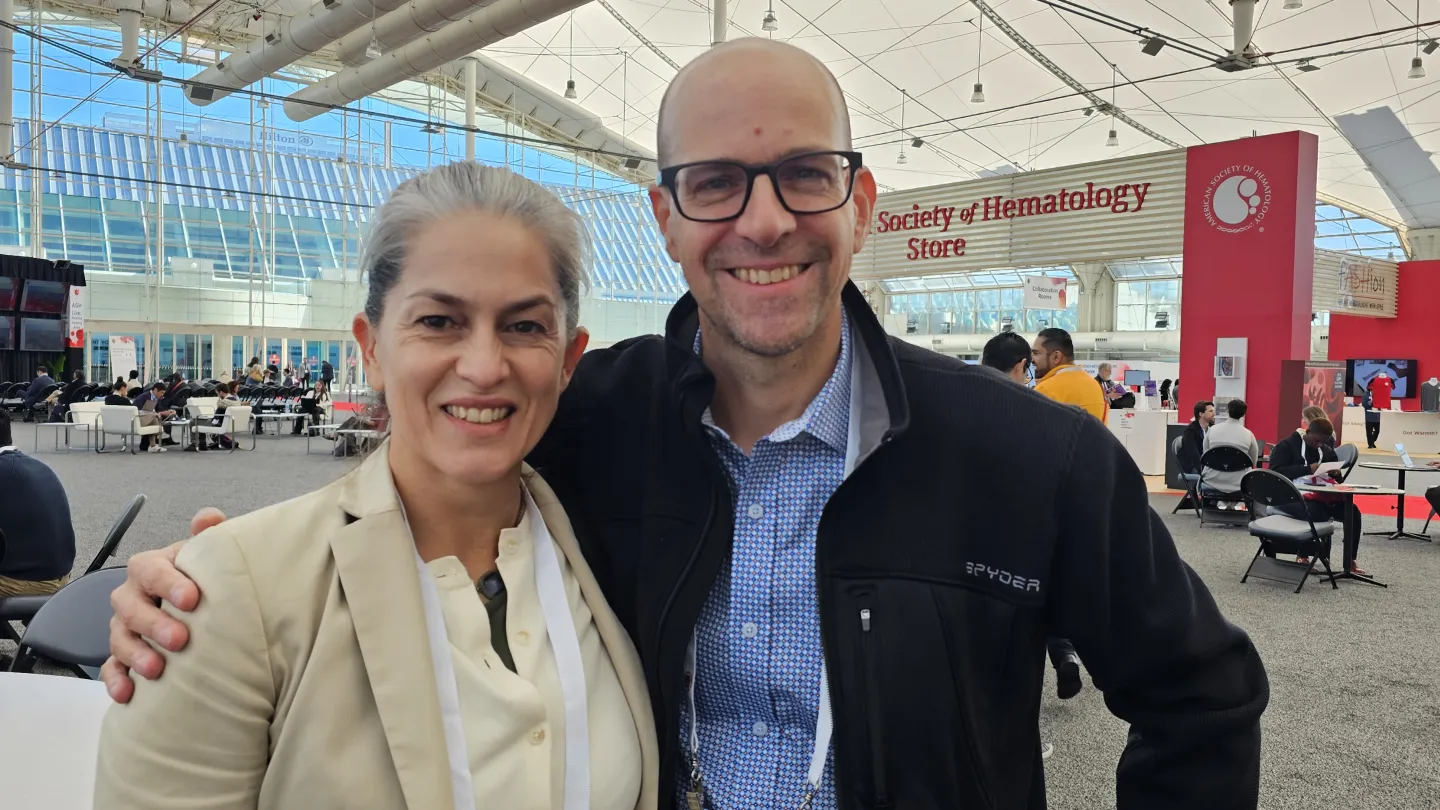
Beyond the scientific sessions, the conference provided a unique opportunity to reconnect with former lab members, strengthen existing partnerships, and forge new connections. Within the Department of Cell Biology at Einstein, basic and translation hematology research is the primary focus of several of our labs, and the achievements noted reflect their commitment to advancing the field of hematology and fostering collaboration with the broader scientific and medical community.