

Video could not be played
Jinan Behnan, Ph.D.
- Assistant Professor, The Leo M. Davidoff Department of Neurological Surgery
- Assistant Professor, Department of Microbiology & Immunology
Area of research
- Glioblastoma, Tumor Microenvironment, Tumor Heterogeneity, Macrophage Biology, Mesenchymal Stem Cells, Cancer Immunotherapy, Brain Tumor Immunology
Phone
Location
- Albert Einstein College of Medicine Rose F. Kennedy Center 1410 Pelham Parkway South 429D Bronx, NY 10461
Research Profiles

Professional Interests
Lab Mission
Our goal is to uncover how glioblastoma (GBM) reshapes the immune system and tumor microenvironment and to translate these discoveries into innovative immunotherapies for patients with brain tumors.
Understanding Glioblastoma as a Systemic Disease
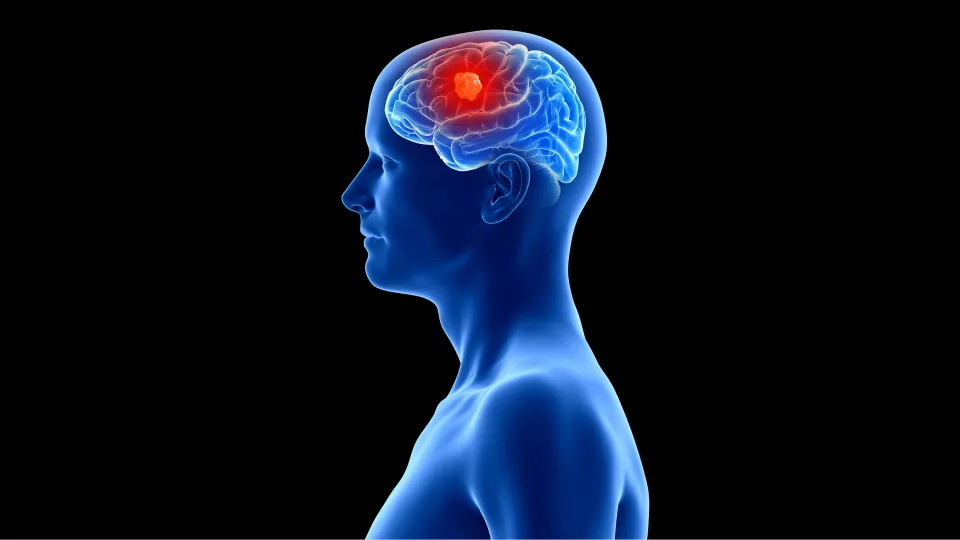
Our research aims to understand the complex biology of glioblastoma (GBM), the most aggressive and treatment-resistant primary brain tumor. Traditionally considered a localized disease of the brain, our work investigates how GBM interacts with and reshapes both its tumor microenvironment and systemic immune responses.
Our laboratory recently discovered that GBM can influence primary immune organs, including the skull and bone marrow, reprogramming hematopoiesis toward myelopoiesis and contributing to the immunosuppressive tumor microenvironment (Dubey et al., Nature Neuroscience, 2025). These findings support a new paradigm in which GBM is not only a localized brain tumor but also a disease capable of systemically reshaping immune responses.
Tumor Heterogeneity and Recruited Stromal Cells
A central focus of our laboratory is understanding tumor heterogeneity and the role of recruited noncancerous cells in shaping the glioblastoma microenvironment. We were the first to report the recruitment of endogenous mesenchymal stem cells (MSCs) to gliomas (Behnan et al., Stem Cells, 2014) and to characterize the mesenchymal subtype in GBM patients (Behnan et al., Oncogene, 2017).
Our work further demonstrated that the mesenchymal subtype comprises at least two biologically distinct groups: one driven by recruited stromal cells and the tumor microenvironment, and another in which tumor cells themselves acquire mesenchymal properties (Behnan et al., Brain, 2019; Oncogene, 2017). These findings suggest that brain-derived MSCs/perivascular progenitors may contribute to tumor origin or progression in certain GBM subtypes.
Building on these discoveries, our laboratory investigates the biology and function of recruited noncancerous cells in GBM, particularly macrophages and brain-derived mesenchymal stem cells/perivascular progenitors. We aim to define the origin of these populations and determine how their interactions with tumor cells drive tumor progression, immune suppression, and therapeutic resistance.
Translational Immunotherapy Strategies
In parallel, we are developing translational therapeutic strategies targeting both tumor cells and the tumor microenvironment. Our work focuses on combining immunotherapy with targeted approaches to overcome the immunosuppressive microenvironment and enhance anti-tumor immune responses.
In collaboration with Dr. Claudia Gravekamp, we are optimizing the use of a Listeria-based vaccine platform to deliver recall antigens directly to tumors and combining this strategy with additional therapeutic modalities being developed in our laboratory, with the goal of advancing this treatment toward clinical trials.
Key Discoveries from Our Laboratory
Recruitment of endogenous mesenchymal stem cells (MSCs) to gliomas (Stem Cells, 2014)
- Identification of mesenchymal subtype heterogeneity in GBM (Oncogene, 2017; Brain, 2019)
- Discovery that GBM reprograms hematopoiesis in skull and bone marrow (Nature Neuroscience, 2025)
Selected Publications
- Young DL, Stransky S, Molero MG, Yamashita E, Pande S, Kumar V, Singh S, Aguilan J, Cutler R, Koba W, DeAngelo JD, Roth JS, Zhang J, He T, Malachowska B, Vercellino J, Bell BI, Shechter D, Tofilon PJ, Phillips RE, Behnan J*, Guha C*, Sidoli S*. Depletion of CARM1 slows in vivo tumorigenicity and rewires developmental programming in glioma stem-like cells. Cell Reports (2026) 45(8), 117785. https://doi.org/10.1016/j.celrep.2026.117785
- Chanoch-Myers R, Hara T, Greenwald AC, Hoefflin R, Bussema L, Weisman HR, Nieblas-Bedolla E, Gurramkonda J, Bekezhankyzy Z, Jucht A, Calvo Fernández E, Spitzer A, Fung JMH, Chiara B, Al-Holou WN, Camelo-Piragua S, Behnan J, Galli R, Wakimoto H, Suvà ML, Tirosh I. A blueprint for local and distal invasion programs in glioblastoma. Nature Communications (2026) 17, 4079. https://doi.org/10.1038/s41467-026-70470-8
- Dubey A, Yamashita E, Stangeland B, Abbas I, Fooksman D, Harris RA, Palmer GM, Koba WR, Zhang J, Himes BT, Lu OR, Ho WS, Kuiper RV, Huffman D, Wu Z, Uchida Y, Ishii M, Welch RL, Fiedler AF, Reynolds D, Hosainey SAM, Dobrenis K, Ye Q, Fisher K, Killian N, Stanley ER, Eskandar E, Behnan J*. Brain tumors induce widespread disruption of calvarial bone and alteration of skull marrow immune landscape. Nat Neurosci. 2025 Nov;28(11):2231-2246. doi: 10.1038/s41593-025-02064-4.
- Mondal I#, Das O#, Sun R, Gao J, Yu B, Diaz A, Behnan J, Dubey A, Meng Z, Eskandar E, Xu B, Lu O.R*, Ho W.S*. PP2Ac Deficiency Enhances Tumor Immunogenicity by Activating STING-Type I Interferon Signaling in Glioblastoma. Cancer Res. 2023 Aug doi: 10.1158/0008-5472.CAN-22-3382. PMID: 37219874.
- Hu Y#, Jiang Y#, Behnan J, Ribeiro M.M, Kalantzi C, Zhang M, Lou D, Häring M, Sharma N, Okawa S, Del Sol A, Adameyko I, Mikael Svensson M, Persson O, and Ernfors P. Neural-network learning defines glioblastoma features to be of neural crest perivascular or radial glia lineages. Science Adv 2022 Jun. doi: 10.1126/sciadv.abm6340.
- Guo M*, Goudarzi K, Abedi S, Pieber M, Behnan J, Sjöberg E, Zhang X.M, Ernfors P, Harris R.A, Bartek J, Lindström M, Nistér M, Hägerstrand D*. SFRP2 induces a mesenchymal subtype transition by suppression of SOX2 in glioblastoma. Oncogene (2021). https://doi.org/10.1038
- Behnan J*, Finocchiaro G, Hanna G. The Landscape of Mesenchymal Signature in Brain tumors. Brain: a journal of neurology 2019 142;4 847-866
- Behnan J*, Stangeland B, Langella T, Finocchiaro G, Tringali G, Meling T, Murrell W. Identification and Characterization of New Source of Adult Human Neural Progenitors. Cell Death and Disease (2017) 8, e2991; doi:10.1038/cddis.2017.368.
- Behnan J*, Stangeland B, Hosainey SA, Joel M, Olsen TK, Micci F, Glover JC, Isakson P, Brinchmann JE (2017). Differential propagation of stroma and cancer stem cells dictates tumorigenesis and multipotency. Oncogene, 36 (4), 570-584. PubMed 27345406.
- Behnan J*, Stangeland B, Langella T, Finocchiaro G, Murrell W, Brinchmann JE (2016)
Ultrasonic Surgical Aspirate is a Reliable Source For Culturing Glioblastoma Stem Cells Sci Rep, 6, 32788. PubMed 27605047. - Behnan J*, Isakson P, Joel M, Cilio C, Langmoen IA, Vik-Mo EO, Badn W (2014)
Recruited brain tumor-derived mesenchymal stem cells contribute to brain tumor progression
Stem Cells, 32 (5), 1110-23. PubMed 24302539. - Fayzullin A, Tuvnes FA, Skjellegrind HK, Behnan J, Mughal AA, Langmoen IA, Vik-Mo EO (2016). Time-lapse phenotyping of invasive glioma cells ex vivo reveals subtype-specific movement patterns guided by tumor core signaling. Exp Cell Res, 349 (2), 199-213. PubMed 27515001
- Behnan J, Grieg Z, Joel M, Ramsness I and Stangeland B*. Gene knockdown of CENPA reduces sphere forming ability and stemness of glioblastoma initiating cells. Neuroepigenetics 7, (2016) 6-18
- Joel M, Mughal AA, Grieg Z, Murrell W, Palmero S, Mikkelsen B, Fjerdingstad HB, Sandberg CJ, Behnan J, Glover JC, Langmoen IA, Stangeland B (2015). Targeting PBK/TOPK decreases growth and survival of glioma initiating cells in vitro and attenuates tumor growth in vivo. Mol Cancer, 14, 121. PubMed 26081429
- Sandberg CJ, Vik-Mo EO, Behnan J, Helseth E, Langmoen IA (2014). Transcriptional profiling of adult neural stem-like cells from the human brain PLoS One, 9 (12), e114739. PubMed 25514637
*Corresponding author